
Immigration program allocates Brandon 180 skilled workers
New IRCC pilot caters to rural communities
Advertisement
Read this article for free:
or
Already have an account? Log in here »
We need your support!
Local journalism needs your support!
As we navigate through unprecedented times, our journalists are working harder than ever to bring you the latest local updates to keep you safe and informed.
Now, more than ever, we need your support.
Starting at $15.99 plus taxes every four weeks you can access your Brandon Sun online and full access to all content as it appears on our website.
Subscribe Nowor call circulation directly at (204) 727-0527.
Your pledge helps to ensure we provide the news that matters most to your community!
To continue reading, please subscribe:
Add Brandon Sun access to your Free Press subscription for only an additional
$1 for the first 4 weeks*
- Enjoy unlimited reading on brandonsun.com
- Read the Brandon Sun E-Edition, our digital replica newspaper
*Your next Free Press subscription payment will increase by $1.00 and you will be charged $20.95 plus GST for four weeks. After four weeks, your payment will increase to $24.95 plus GST every four weeks.
Read unlimited articles for free today:
or
Already have an account? Log in here »
Hey there, time traveller!
This article was published 31/01/2025 (634 days ago), so information in it may no longer be current.
Brandon has been allocated up to 180 skilled workers under the Government of Canada’s newly launched Rural Community Immigration Pilot (RCIP) — a program designed to address labour shortages and support economic growth in rural communities.
The initiative is employer-driven, with designated businesses in sectors, such as manufacturing, trades, and health care playing a key role in hiring newcomers, Brandon Mayor Jeff Fawcett told the Sun on Thursday.
“If we could get up to 180, that would be ideal. The program is designed to work with designated employers hiring skilled workers,” Fawcett said.
The RCIP is part of a broader federal strategy that also includes the Francophone Community Immigration Pilot (FCIP). Both pilot programs were introduced to help rural and Francophone minority communities attract and retain skilled workers.
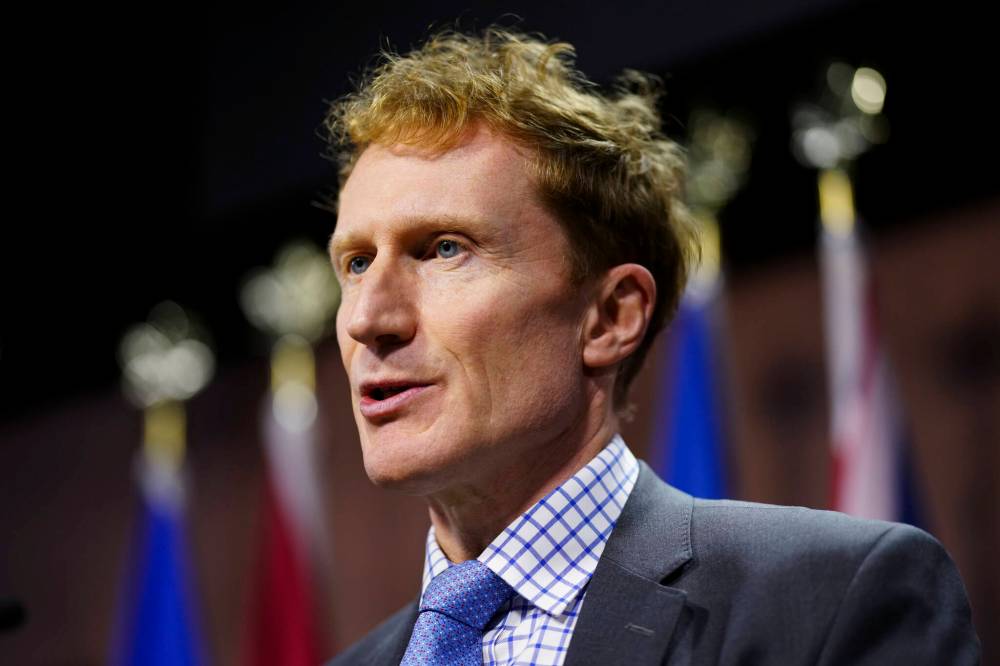
Immigration, Refugees and Citizenship Canada (IRCC) Minister Marc Miller announced the pilots as part of an ongoing effort to establish the Rural and Northern Immigration Pilot (RNIP) as a permanent program.
The mayor also highlighted the city’s efforts to accommodate the expected population increase, adding that city council is reviewing nearly 300 housing units to support the anticipated growth.
“The reason we are part of this is because the federal government recognizes that we can manage growth,” he said in an interview. “The long-term impact of the program will be overwhelmingly positive, addressing persistent labour shortages in healthcare and other key industries.”
These are high-skilled roles that “we struggle to fill locally,” and bringing in workers through this program is a significant benefit, he added.
A total of 18 communities across Canada have been selected to participate in the dual pilot programs.
Manitoba communities included in the RCIP pilot are Brandon, Steinbach and Altona/Rhineland, while St. Pierre Jolys will take part in the FCIP. Other participating communities include Pictou County in Nova Scotia; North Bay, Sudbury, Timmins, Sault Ste. Marie, and Thunder Bay in Ontario; Moose Jaw in Saskatchewan; Claresholm in Alberta; and West Kootenay, North Okanagan Shuswap and Peace Liard in British Columbia.
The RCIP includes the Acadian Peninsula in New Brunswick, as well as Sudbury, Timmins, and the Superior East Region in Ontario, along with St. Pierre Jolys in Manitoba and Kelowna in British Columbia.
The minister explained the rural and francophone communities are vital to Canada’s growth and cultural diversity.
“We value the unique contributions that newcomers make in these places. By welcoming skilled immigrants to these areas, we are addressing labour shortages and economic needs while promoting the benefits of living in a smaller town or city,” Miller said.
“Our commitment to supporting these regions reflects our belief that each one matters. That is why we will make the RNIP a permanent program, and why we are introducing these two new pilots. We’ll continue to work closely with these communities as we work to connect businesses with the skilled workers they need to thrive.”
Each selected community is represented by a local economic development organization, which will work with IRCC to identify its critical labour gaps, designate trustworthy employers and recommend suitable candidates to IRCC for permanent residence, the government’s press release issued Thursday stated.
The release added the IRCC has begun training the economic development organizations, and each community will provide details and timelines on when employers and prospective permanent residence candidates can expect to have a chance to apply.
Once fully implemented, it added, the pilot programs are expected to streamline the process of permanent residency for skilled newcomers, ensuring they can integrate into their respective communities and contribute to long-term economic sustainability.
» aodutola@brandonsun.com
» X: @AbiolaOdutola