
Compensation in property case should be guided by zoning as watershed area: top court
Advertisement
Read this article for free:
or
Already have an account? Log in here »
We need your support!
Local journalism needs your support!
As we navigate through unprecedented times, our journalists are working harder than ever to bring you the latest local updates to keep you safe and informed.
Now, more than ever, we need your support.
Starting at $15.99 plus taxes every four weeks you can access your Brandon Sun online and full access to all content as it appears on our website.
Subscribe Nowor call circulation directly at (204) 727-0527.
Your pledge helps to ensure we provide the news that matters most to your community!
To continue reading, please subscribe:
Add Brandon Sun access to your Free Press subscription for only an additional
$1 for the first 4 weeks*
*Your next subscription payment will increase by $1.00 and you will be charged $20.00 plus GST for four weeks. After four weeks, your payment will increase to $24.00 plus GST every four weeks.
Read unlimited articles for free today:
or
Already have an account? Log in here »
Hey there, time traveller!
This article was published 10/05/2024 (698 days ago), so information in it may no longer be current.
OTTAWA – The zoning of a St. John’s, N.L., property as a watershed area should guide the process of compensating the owners for expropriation of the land, the Supreme Court of Canada has ruled.
In a 7-0 decision Friday, the top court said compensation should be assessed based on the limited uses allowed by the zoning, not as if a housing development could have proceeded.
Groundwater from the watershed drains toward the Broad Cove River, which is used by St. John’s for the city water supply.
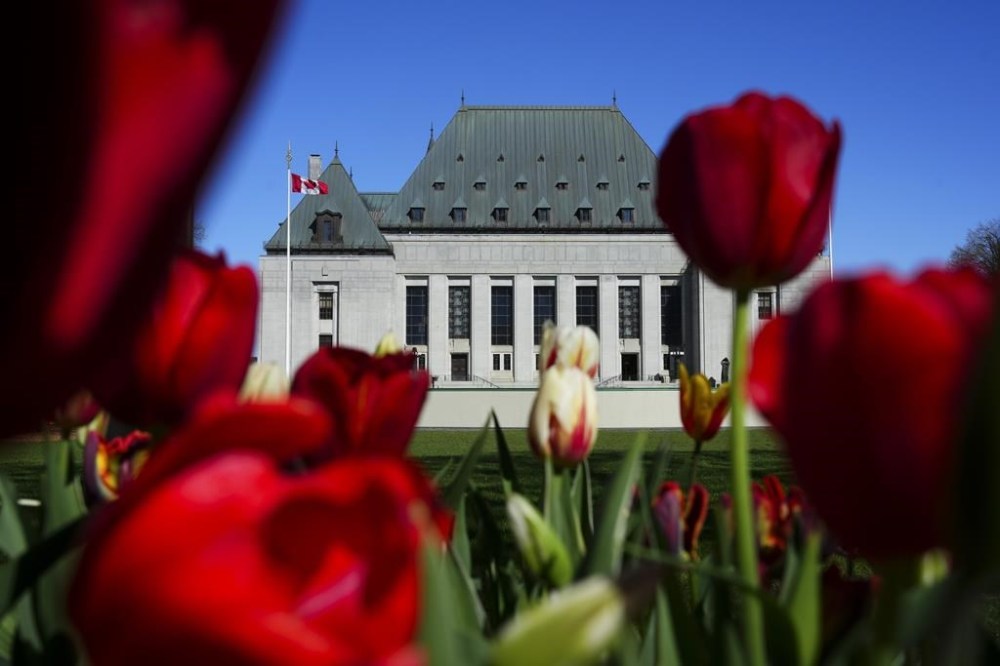
A formal application by the owners to develop the property was rejected in 2013, and a court declared this amounted to constructive expropriation, opening the door to compensation.
The issue of how compensation should be determined wound its way through the Newfoundland and Labrador courts, leading to an appeal to the Supreme Court of Canada by the City of St. John’s.
The Supreme Court said an authority cannot freeze a property’s development in anticipation of the need to acquire the land, effectively reducing the property’s value in order to reduce the compensation payable.
It said that when determining a regulation’s effect on property value, the key question is whether the enactment was made with a view to the expropriation or, conversely, was an independent decision.
Writing on behalf of the high court, Justice Sheilah Martin said the watershed zoning was an independent enactment, and the market value assessment of the property must take into account that the land is limited to discretionary agriculture, forestry and public utility uses.
To ignore the watershed zoning would be to award the owners a “significant windfall,” Martin wrote.
“It would compensate them for something they never would have had absent the expropriation: unencumbered land to develop residential housing.”
This report by The Canadian Press was first published May 10, 2024.