
B.C. fisherman fined $33K for harvesting in ‘globally unique’ glass-sponge reefs
Advertisement
Read this article for free:
or
Already have an account? Log in here »
We need your support!
Local journalism needs your support!
As we navigate through unprecedented times, our journalists are working harder than ever to bring you the latest local updates to keep you safe and informed.
Now, more than ever, we need your support.
Starting at $15.99 plus taxes every four weeks you can access your Brandon Sun online and full access to all content as it appears on our website.
Subscribe Nowor call circulation directly at (204) 727-0527.
Your pledge helps to ensure we provide the news that matters most to your community!
To continue reading, please subscribe:
Add Brandon Sun access to your Free Press subscription for only an additional
$1 for the first 4 weeks*
- Enjoy unlimited reading on brandonsun.com
- Read the Brandon Sun E-Edition, our digital replica newspaper
*Your next Free Press subscription payment will increase by $1.00 and you will be charged $20.95 plus GST for four weeks. After four weeks, your payment will increase to $24.95 plus GST every four weeks.
Read unlimited articles for free today:
or
Already have an account? Log in here »
Hey there, time traveller!
This article was published 08/08/2024 (744 days ago), so information in it may no longer be current.
VANCOUVER – The owner of a commercial halibut vessel in British Columbia has received more than $33,000 in fines for fishing in a marine protected area containing glass sponge reefs unique to the waters of the Pacific Northwest.
Fisheries and Oceans Canada says a provincial court judge handed down the fine in May to Brent Belveal, who pleaded guilty to offences under the Fisheries Act.
It says Belveal, operator of the vessel Gypsy Soul, harvested and sold his illegal catch from within the Queen Charlotte Sound Glass Sponge Reef Marine Protected Area near Bella Bella off B.C.’s central coast.
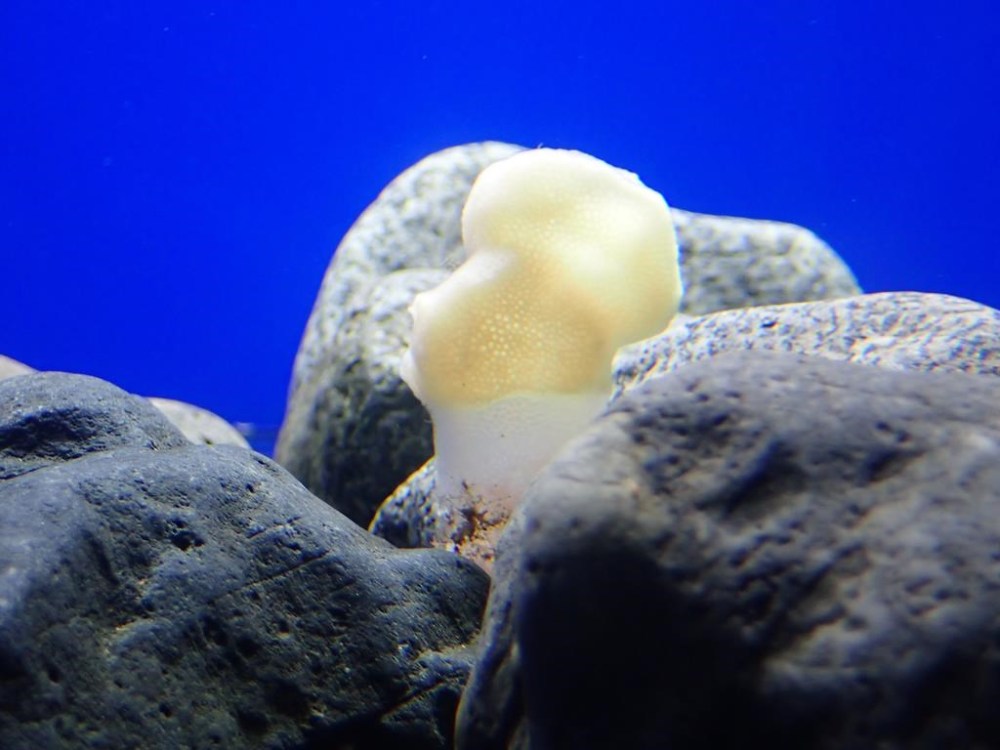
The department describes the reefs as “globally unique ecosystems.”
The government statement issued Thursday says parts of the reefs are about 9,000 years old, and they’re considered to be the largest living example of glass sponge reefs that were “abundant” millions of years ago.
It says the reefs’ slow growth, fragility and highly sensitive structure mean the sponges are especially vulnerable to damage and disturbance, and those who disregard fisheries closures in the area undermine decades of protection efforts.
This report by The Canadian Press was first published Aug. 8, 2024.