
CIBC analysts expecting wider discount on heavy oil this year
Advertisement
Read this article for free:
or
Already have an account? Log in here »
We need your support!
Local journalism needs your support!
As we navigate through unprecedented times, our journalists are working harder than ever to bring you the latest local updates to keep you safe and informed.
Now, more than ever, we need your support.
Starting at $15.99 plus taxes every four weeks you can access your Brandon Sun online and full access to all content as it appears on our website.
Subscribe Nowor call circulation directly at (204) 727-0527.
Your pledge helps to ensure we provide the news that matters most to your community!
To continue reading, please subscribe:
Add Brandon Sun access to your Free Press subscription for only an additional
$1 for the first 4 weeks*
*Your next subscription payment will increase by $1.00 and you will be charged $20.00 plus GST for four weeks. After four weeks, your payment will increase to $24.00 plus GST every four weeks.
Read unlimited articles for free today:
or
Already have an account? Log in here »
CALGARY – Analysts at CIBC are forecasting a wider discount on Alberta heavy crude this year as U.S. plans to rebuild Venezuela’s ailing industry dominate headlines.
The bank estimates the differential between Western Canada Select, the heavy Alberta blend, and West Texas Intermediate, the U.S. light oil benchmark, will average US$14.25 a barrel in 2026.
For 2025, the price gap is estimated to have averaged US$11.30 as Canadian producers benefited from the first full year of operations of the Trans Mountain pipeline expansion to the West Coast, enabling exports to Asia.
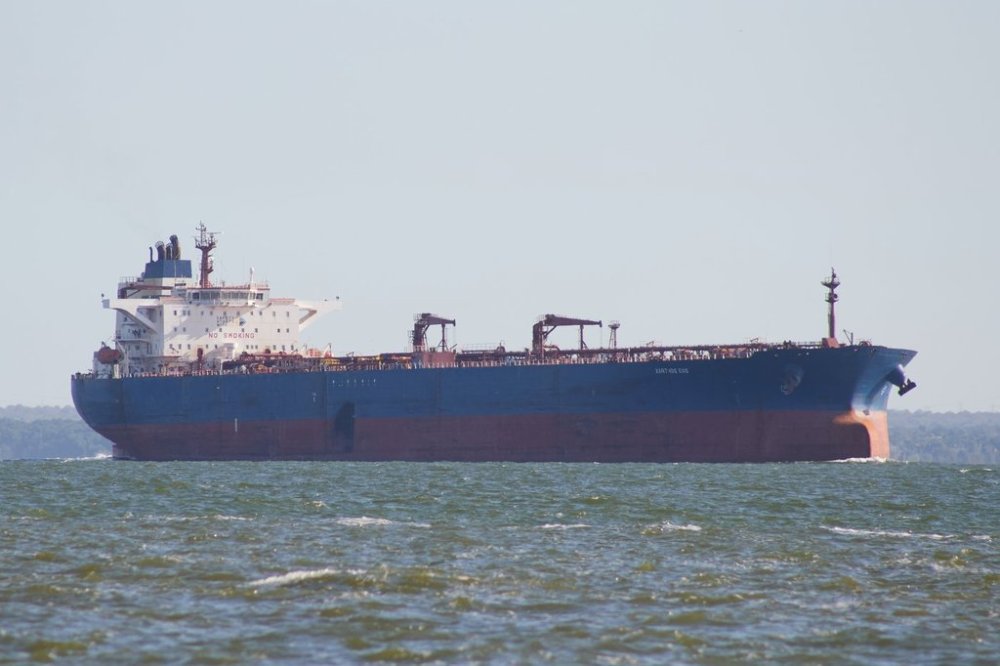
Venezuelan and Alberta oilsands crude both have a thick, tarry consistency and require specialized equipment to refine into products like gasoline and diesel. Refineries on the U.S. Gulf Coast are set up to handle that type of oil, so any meaningful increase in Venezuelan supplies on the market would compete with imports from Alberta and could weigh on WCS prices.
The majority of the 4.4 million barrels a day Canada exports to the U.S. winds up in the Midwest, while about one-tenth heads to the Gulf.
“In the near term, we expect news around resuming investment in Venezuela and targeting production restarts will dominate headlines and cause pressure on WCS-WTI basis (as well as heavy oil realizations for Western Canadian producers),” the CIBC analysts wrote.
Meanwhile, the price of WTI is up almost three per cent to US$61 per barrel in midday trading Tuesday. The CIBC analysts forecast an average 2026 WTI price of US$60 a barrel, down from US$64.92 last year.
It said Brent crude, the price linked to light oil produced in the North Sea, is expected to average US$63 this year. It fetches a higher price because of its ability to access global markets by sea.
Enverus is expecting Brent to average US$55 in 2026. It was trading above US$65 on Tuesday.
“Our work shows oil prices will reset lower in 2026 without signalling long-term scarcity,” said managing director Dane Gregoris.
“Upstream operators will continue to push for efficiency gains while capital stays highly selective.”
Both Enverus and CIBC are expecting weaker prices in the first part of this year, with some recovery in the second half.
This report by The Canadian Press was first published Jan. 13, 2026.