
From podium to posts: How Canadian Olympians are cashing in on social media
Advertisement
Read this article for free:
or
Already have an account? Log in here »
We need your support!
Local journalism needs your support!
As we navigate through unprecedented times, our journalists are working harder than ever to bring you the latest local updates to keep you safe and informed.
Now, more than ever, we need your support.
Starting at $15.99 plus taxes every four weeks you can access your Brandon Sun online and full access to all content as it appears on our website.
Subscribe Nowor call circulation directly at (204) 727-0527.
Your pledge helps to ensure we provide the news that matters most to your community!
To continue reading, please subscribe:
Add Brandon Sun access to your Free Press subscription for only an additional
$1 for the first 4 weeks*
*Your next subscription payment will increase by $1.00 and you will be charged $20.00 plus GST for four weeks. After four weeks, your payment will increase to $24.00 plus GST every four weeks.
Read unlimited articles for free today:
or
Already have an account? Log in here »
MILAN – Each Canadian athlete competing in the Milan Cortina Olympic Games relies on a patchwork of funding to support themselves.
Sponsorships, federal funding, grants, part-time jobs, prize money, the bank of mom and dad, to name a few.
Ever since the International Olympic Committee relaxed its rules on what athletes can post on social media during the Games, athletes’ personal accounts have moved to the front of that revenue mix for many.
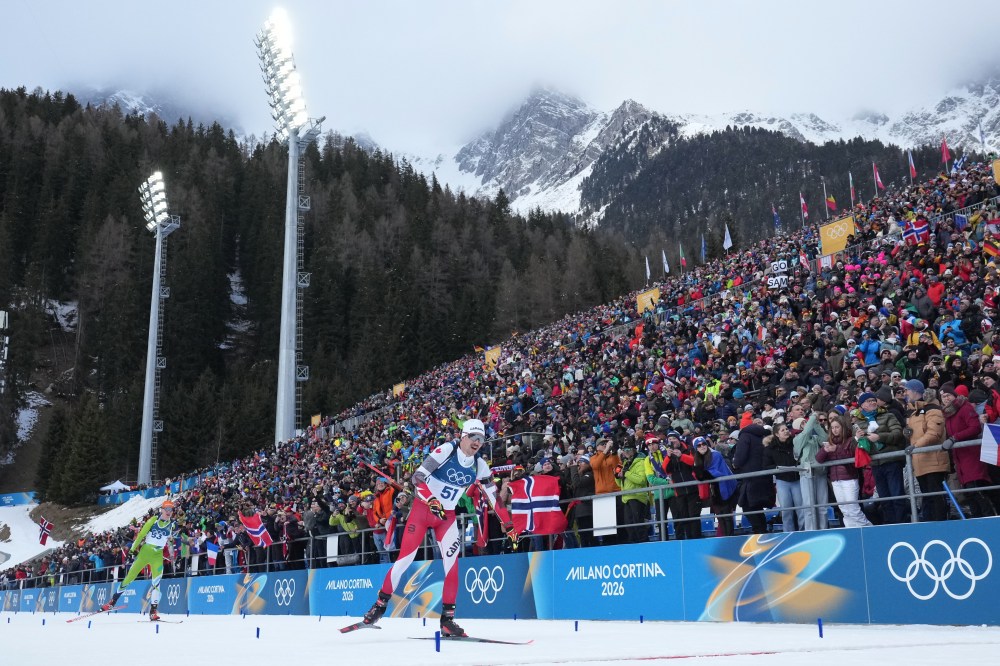
“For sure, athletes with big followings are making money off social media and able to have a reach that can reach new sponsors,” said Canadian cross-country skier Xavier McKeever. “We call it building your brand.”
The IOC was once iron-fisted with Rule 40 of the Olympic Charter, which protected marketing exclusivity for companies paying hundreds of millions to attach their brands to the Games.
Athletes were forced to go radio silent on thanking the sponsors who helped them reach the Olympic Games — precisely when it mattered most and when attention on their accounts was at its peak.
Facing pressure from athletes, the IOC loosened its interpretation of Rule 40 for the Tokyo Summer Olympics in 2021.
The shift reshaped the commercial landscape for many.
“Athletes now, they actually have their own media channels,” said agent Brian Levine, whose agency Envision represents Canadian athletes such as sprinter Andre De Grasse.
“When a brand partners with an athlete, they’re actually getting their following, so they don’t need to necessarily go and shoot a commercial with an athlete and put them into a commercial spot. They have the benefit of being able to tap them for user-generated content.
“If an athlete has 25,000 followers or 50,000 or 100,000, there’s that added benefit.”
The expanded ability to market themselves is a double-edged sword.
Most Canadian athletes understand social media can be a financial tool, but generating their own content in a way that attracts followers and sponsors can feel onerous when training and competing are their priority.
“Social media, of course, has a huge part in keeping eyes on athletes, when you’re not on TV. Our races aren’t always on television,” said bobsledder Cynthia Appiah.
“I would love to post more. I just never could create the content because I’m so focused on training, and then when I get home, and I’m on the couch, and I’m scrolling, I’m like, ‘man, I could have taken some photos and posted myself.'”
Sponsorship deals often come with social media requirements.
“It’s usually half of the contracts you get from big sponsors are involving social media,” said freestyle skier Rachael Karker.
“Before, they used to just take your picture, put you on a billboard or put you on in a cereal box. That was how they got that out to the world and sold more products.
“Now, the main way people advertise is over social media, so if you’re being picked up as an athlete for advertising purposes to try to sell more products, you will be needing to be on social media a lot.”
A winning story sells well, but so does a human interest story, as biathlete Adam Runnalls discovered when he posted about bringing his knitting needles to the Milan Cortina Games, and his Instagram followers exploded with knitters.
After jumping from about 1,600 to 10,000 followers in a matter of days, his account has now climbed past 28,000.
A post by figure skater Madeline Schizas asking for an extension on a university assignment went viral. International media picked up the story.
“Athletes who maybe aren’t even like fighting for like the top spots, like there’s this one South African guy who is an influencer in cross-country skiing,” McKeever said.
“He’s got maybe over 10,000 followers, and his whole brand is about coming from not skiing and then making the Olympics in skiing.”
Opinion among Canadian athletes often broke along generational lines, with older competitors viewing social media as a chore and younger ones far more comfortable using it.
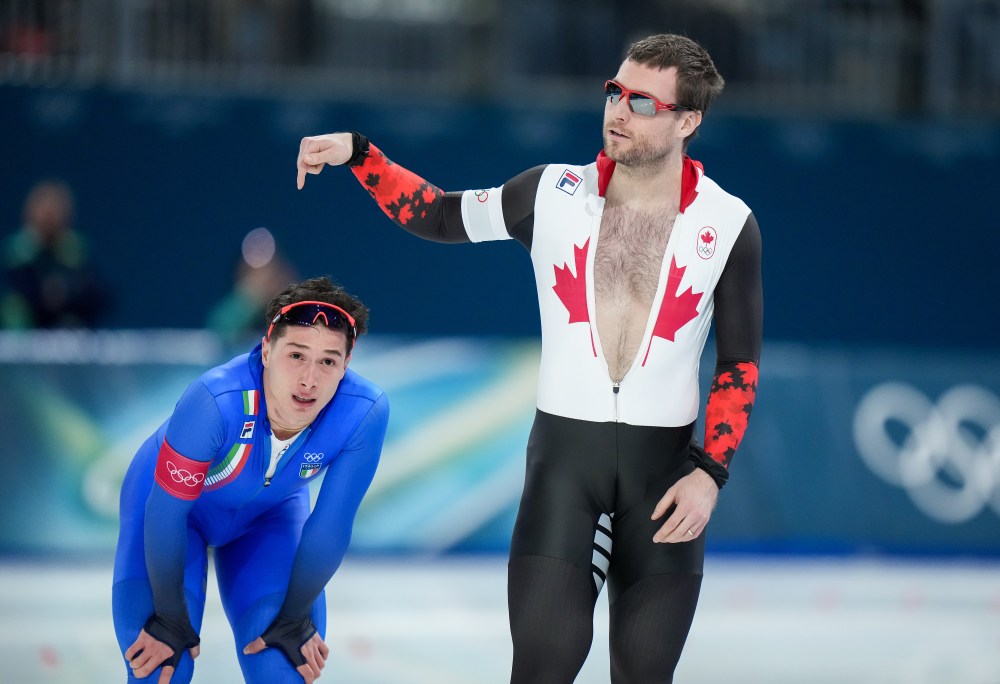
“Social media is crucial. To be frank, I don’t like it. It’s more of a pain I have to deal with,” said 33-year-old speedskater Laurent Dubreuil.
“I’m very much looking forward to not having to do it when I retire, but for sure that’s how you connect with people, that’s how you put yourself out there, and it’s how you widen your fan base, and that’s how companies find you attractive. I know I’m not very good at it.”
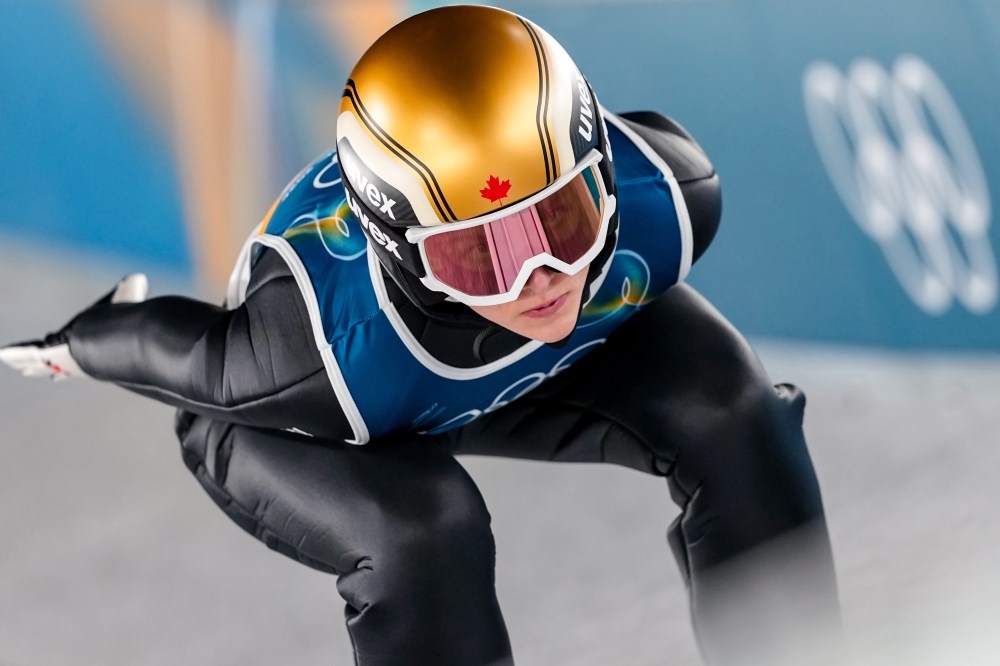
Said 24-year-old ski jumper Abigail Strate: “I’ve kind of always grown up as an athlete with social media. When I started looking for sponsors, it was like, ‘OK, how am I going to do this?’ The best way to do it is to grow an online presence, so I’d never really known anything different.”
Strate boasts a following of more than 18,000 on Instagram, where her account blends her competitive ski jumping career with glimpses of her personal life.
Some sports offer more attention-grabbing content than others. Some sports boast a demographic that devours more social media content than others.
Some athletes have agents or agencies that will help produce content for them, but the onus is on most to do it themselves.
“There’s an advantage for sure for athletes who have agencies and their own in-house production,” said Levine.
“Life is unfair, and there are some athletes who are built for the spotlight and are comfortable with imagery. Sport isn’t fair, nor is the marketing of sport and brand building of athletes.”
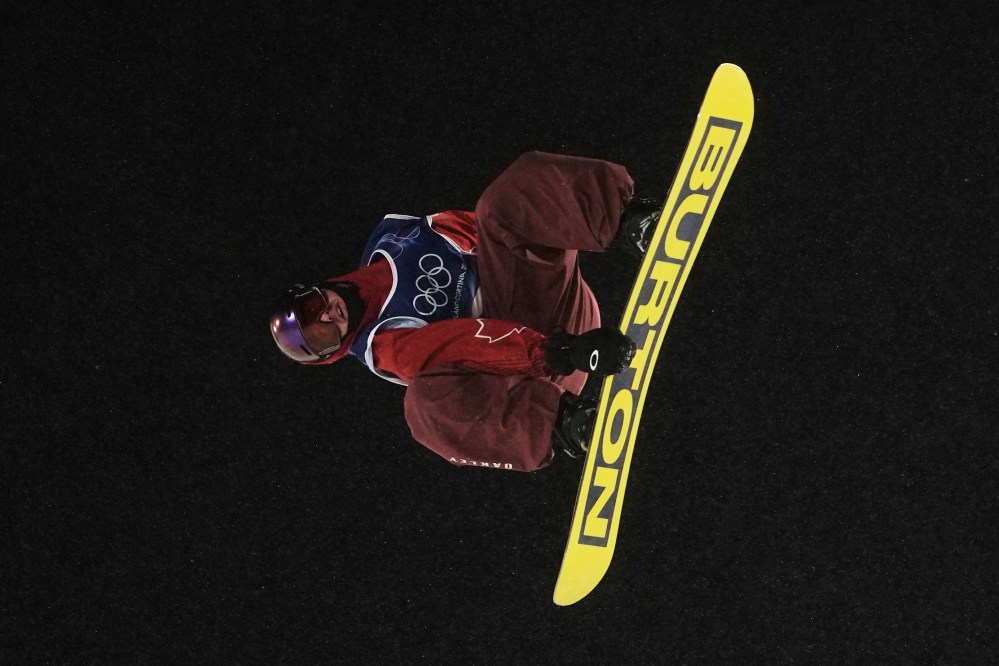
Veteran snowboarder Mark McMorris, who has 817,000 Instagram followers, has done well on social media via a combination of his easygoing personality and the visual eye candy of his sport. He sported a temporary tattoo on his bare chest for a Dove campaign last year.
“Social media is massive, and there are some huge positives to it. There are some negatives as well, but these brands pay you to promote,” McMorris said.
“We’ve been able to tell some incredible stories throughout my career. That being a part of the job, I don’t really lose sleep over it and try to have fun with it.
“Social media allows us to promote ourselves, and it’s helped financially in my career, and so I try not to talk down on it too much.”
This report by The Canadian Press was first published Feb. 15, 2026.