
B.C. to cut 2035 zero-emission-vehicle sales mandate from 100% to 75%
Advertisement
Read this article for free:
or
Already have an account? Log in here »
We need your support!
Local journalism needs your support!
As we navigate through unprecedented times, our journalists are working harder than ever to bring you the latest local updates to keep you safe and informed.
Now, more than ever, we need your support.
Starting at $15.99 plus taxes every four weeks you can access your Brandon Sun online and full access to all content as it appears on our website.
Subscribe Nowor call circulation directly at (204) 727-0527.
Your pledge helps to ensure we provide the news that matters most to your community!
To continue reading, please subscribe:
Add Brandon Sun access to your Free Press subscription for only an additional
$1 for the first 4 weeks*
- Enjoy unlimited reading on brandonsun.com
- Read the Brandon Sun E-Edition, our digital replica newspaper
*Your next Free Press subscription payment will increase by $1.00 and you will be charged $20.95 plus GST for four weeks. After four weeks, your payment will increase to $24.95 plus GST every four weeks.
Read unlimited articles for free today:
or
Already have an account? Log in here »
VICTORIA – British Columbia is moving to change its mandate on sales of zero-emission vehicles, reducing the 2035 target from 100 per cent to 75 per cent.
The Ministry of Energy and Climate Solutions says the legislative changes would align the provincial mandate with the federal government’s goals.
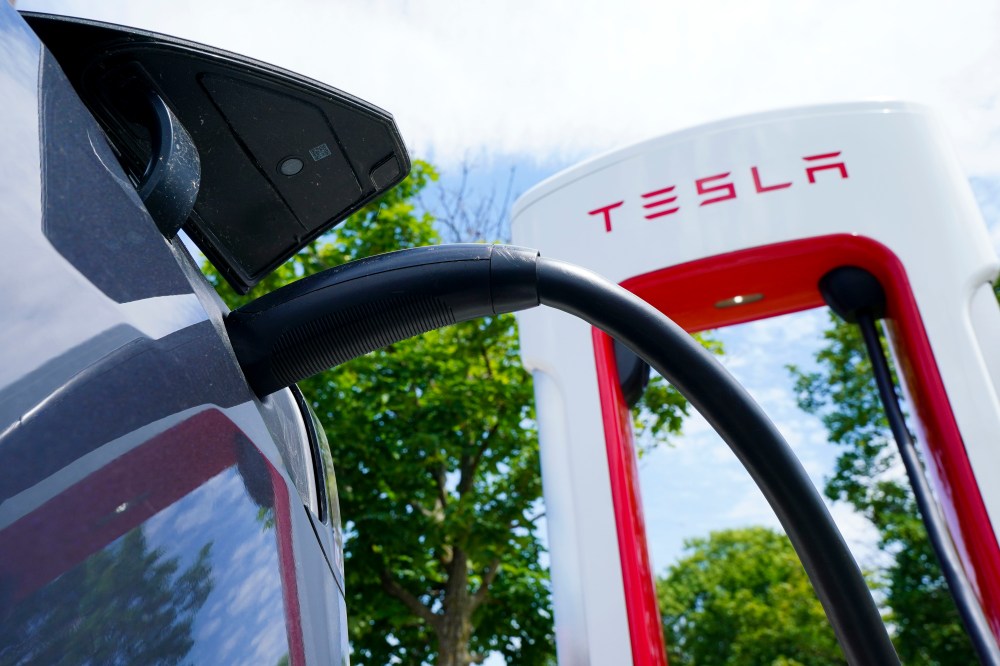
It also says 75 new public charging projects for EV users are being funded across the province.
Energy Minister Adrian Dix says the measures would give the industry and consumers more choices.
The ministry says the amendments will be made by the fall, and the updated regulation is expected to retain the 26 per cent sales compliance requirement for this year and 2027.
The Pembina Institute, a clean-energy think tank, says it was “encouraged” to see B.C. maintain a 75 per cent target despite current economic and market conditions.
“A sales requirement is particularly important because it ensures vehicle supply, infrastructure investment and industry planning move forward together,” said the institute’s clean growth director, Adam Thorn, in a statement.
“As the province moves forward with updating its targets, strong interim targets will be critical. These near-term milestones ensure the policy ramps up effectively and give industry and investors the confidence to continue building charging infrastructure, expand vehicle supply and create jobs across British Columbia.”
A ministry statement said the alignment with federal goals “will provide certainty for automakers,” while reducing their regulatory burden and helping address challenges, including slower-than-expected consumer adoption.
It said targets for 2028 to 2030 “will be informed by federal plans” that are expected this summer.
In a separate statement, the New Car Dealers Association of BC called the move “a helpful step toward a more balanced and adaptable approach to zero-emission vehicle policy.”
“We appreciate that government is listening to both industry and consumer concerns,” said association president Blair Qualey, adding that dealers have been “highlighting the growing gap between policy ambition and market reality” for some time.
“These changes reflect an important recognition that flexibility matters and that policy must evolve alongside consumers, not ahead of them,” Qualey said.
In 2019, B.C. became the first jurisdiction in the world to legislate a 100 per cent zero-emission-vehicle sales target to reduce greenhouse gas emissions.
This report by The Canadian Press was first published April 1, 2026.