
Yukon pens letters to minister, CRTC and Bell Canada over poor cellular service
Advertisement
Read this article for free:
or
Already have an account? Log in here »
We need your support!
Local journalism needs your support!
As we navigate through unprecedented times, our journalists are working harder than ever to bring you the latest local updates to keep you safe and informed.
Now, more than ever, we need your support.
Starting at $15.99 plus taxes every four weeks you can access your Brandon Sun online and full access to all content as it appears on our website.
Subscribe Nowor call circulation directly at (204) 727-0527.
Your pledge helps to ensure we provide the news that matters most to your community!
To continue reading, please subscribe:
Add Brandon Sun access to your Free Press subscription for only an additional
$1 for the first 4 weeks*
- Enjoy unlimited reading on brandonsun.com
- Read the Brandon Sun E-Edition, our digital replica newspaper
*Your next Free Press subscription payment will increase by $1.00 and you will be charged $20.95 plus GST for four weeks. After four weeks, your payment will increase to $24.95 plus GST every four weeks.
Read unlimited articles for free today:
or
Already have an account? Log in here »
WHITEHORSE – The Yukon government is pleading with the CRTC and Innovation, Science and Economic Development Canada to flex their regulatory muscles to improve cellular service in the territory that it says is plagued by persistent “deficiencies.”
The territory’s government sent letters to Bell Canada CEO Mirko Bibic, CRTC chair Vicky Eatrides, and Industry Minister Mélanie Joly last week outlining long-standing concerns about “coverage gaps and service instability” in the Yukon.
The letters decry the negative implications for public safety, emergency response and economic activity after continually receiving complaints about dropped calls, “significant coverage gaps” on major and remote travel routes and “degradation during peak usage periods and emergency events.”
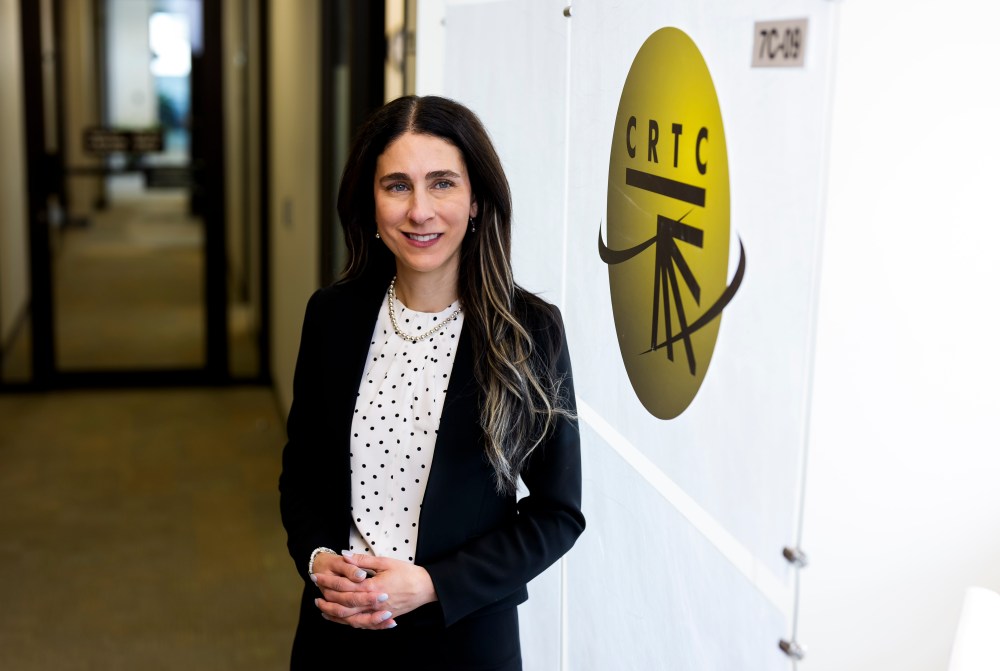
The letter to Bibic said mobile services in the territory are not discretionary, but rather “essential public infrastructure” due to Yukon’s climate and geography, where unstable cell service heightens risks compared with more populated areas.
Bell said in a statement that the company “is proud to serve Canada’s North as the region’s largest wireless provider.”
“We understand how essential reliable wireless networks are to Canadians, especially in rural, remote and Indigenous communities in the Yukon,” the statement said.
“Wireless expansion in rural regions is a challenge for private investment alone and we are open to partnerships with territorial and federal governments.”
The company said it has invested more than $20 million in its wireless network in the territory since 2019.
The letter to Eatrides said the regulator should consider using “regulatory levers” and other tools to improve services in the territory, where remote areas have been marginalized in the context of “national network strategies.”
“In Yukon’s remote and northern context, reliable mobile service is essential public infrastructure supporting emergency management, health services, highway safety, and economic activity,” it said. “Persistent service instability and coverage gaps therefore present disproportionate risk relative to more densely populated regions.”
The letter sent to Industry Minister Melanie Joly said Innovation, Science and Economic Development Canada is “well positioned to support improved outcomes in northern and remote regions, including through expectations tied to spectrum licences, infrastructure investment planning, and transparency on coverage commitments.”
It said the territory wanted the ministry’s support to “encourage timely investment in resilient northern infrastructure” and firm up coverage quality commitments through its cellular spectrum licensing regime.
The latest complaints come two years after former Yukon premier Ranj Pillai sent a letter to Bibic about poor cell service in the territory, stating “it should be embarrassing to telecommunications providers that Yukoners cannot have uninterrupted cellphone calls” in downtown Whitehorse in 2024.
Pillai’s letter to Bibic in July 2024 outlined several issues including dropped calls, delayed text messages and “patchy internet connections.”
“Bell needs to live up to their obligations mandated by the (Canadian Radio-television and Telecommunications Commission) and do better,” Pillai’s letter said.
Bell Canada president Mirko Bibic said at the time that the company takes complaints from Yukon residents about poor cellphone service in the territory “extremely seriously.”
Bibic said that Bell investigated once it was told about the problems customers were having, and found that there were “congestion issues,” partly due to greater usage on the network.
Bibic’s letter said upgrade work also may have caused some people to experience “intermittent disruptions.”
The CRTC and Joly’s ministry did not immediately respond to a request for comment.
This report by The Canadian Press was first published June 24, 2026