
Toronto accessibility influencer on her role in TIFF opener “Being Heumann”
Advertisement
Read this article for free:
or
Already have an account? Log in here »
We need your support!
Local journalism needs your support!
As we navigate through unprecedented times, our journalists are working harder than ever to bring you the latest local updates to keep you safe and informed.
Now, more than ever, we need your support.
Starting at $15.99 plus taxes every four weeks you can access your Brandon Sun online and full access to all content as it appears on our website.
Subscribe Nowor call circulation directly at (204) 727-0527.
Your pledge helps to ensure we provide the news that matters most to your community!
To continue reading, please subscribe:
Add Brandon Sun access to your Free Press subscription for only an additional
$1 for the first 4 weeks*
- Enjoy unlimited reading on brandonsun.com
- Read the Brandon Sun E-Edition, our digital replica newspaper
*Your next Free Press subscription payment will increase by $1.00 and you will be charged $20.95 plus GST for four weeks. After four weeks, your payment will increase to $24.95 plus GST every four weeks.
Read unlimited articles for free today:
or
Already have an account? Log in here »
TORONTO – Canadian disability rights activist Taylor Lindsay-Noel hopes her small role in the upcoming film “Being Heumann” will help amplify the message behind her work — that accessibility remains a daily challenge for many people with disabilities.
Lindsay-Noel, known as Access by Tay online, posts reviews about accessibility at restaurants and businesses across Toronto, with some of her videos attracting more than a million views.
The 32-year-old began making the videos after the COVID-19 pandemic, in an effort to show the difficulties people with disabilities could face when visiting their favourite spots.
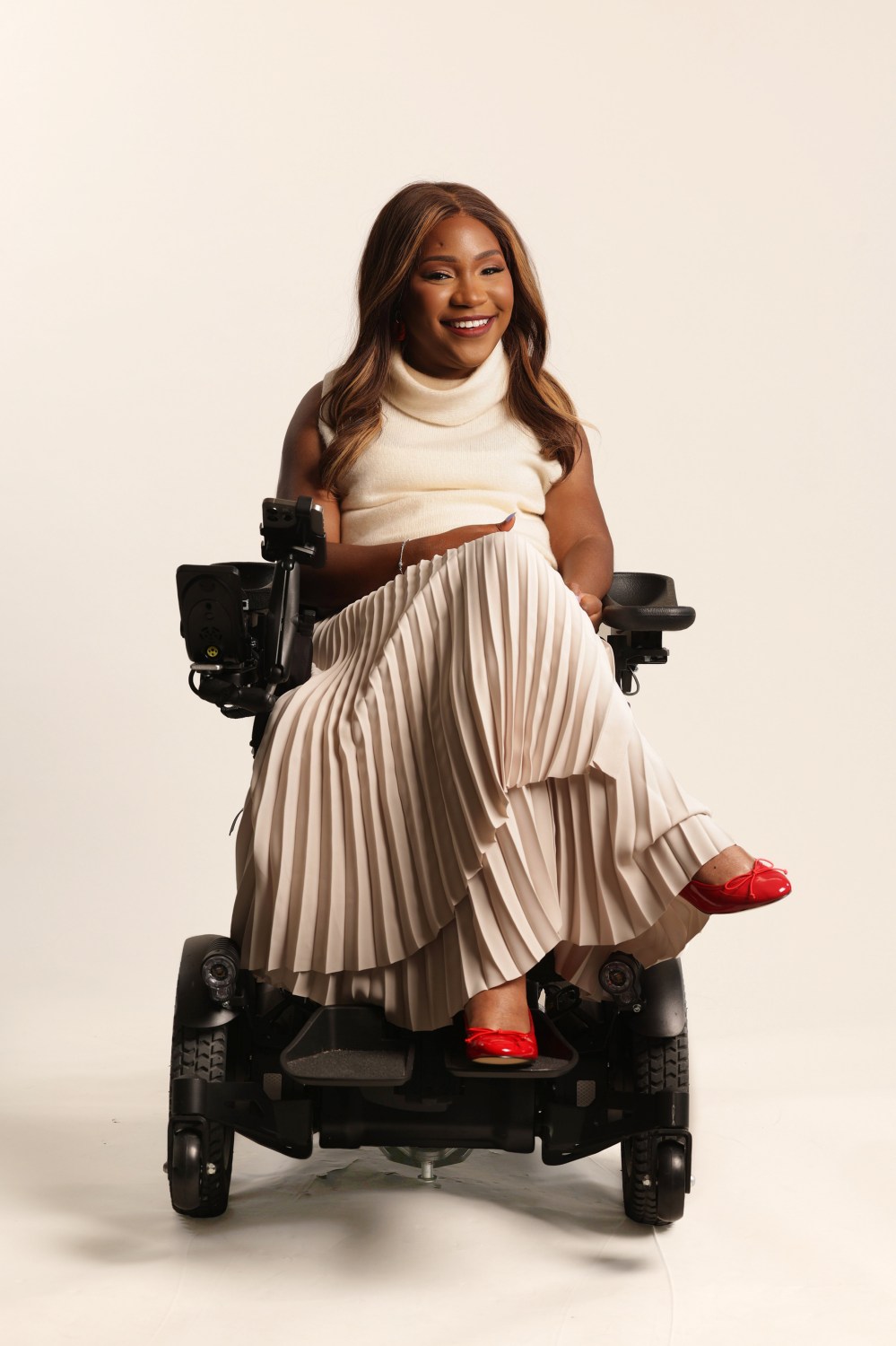
Through her social media content, Lindsay-Noel calls on restaurants and businesses to provide accurate information about their accessibility.
Lindsay-Noel, who was born and raised in Toronto, said the city has all the means to be more inclusive.
“Oftentimes, the tale of a person with a disability is so much pre-work goes into just getting out of the house,” she said.
She said some places do not provide their accessibility information online, while inaccessible washrooms and sometimes even front doors are among the biggest barriers she has encountered.
Lindsay-Noel said the majority of the restaurants she reviewed contacted her and shared their plans to improve.
The former national gymnast was 14 when she broke her neck while attempting a skill on the uneven bars, an injury that paralyzed her from the chest down.
“I had to figure out who I was outside of the identity of being an athlete and recommit to a new life that I could have never imagined for myself,” Lindsay-Noel said.
From having conversations about disability rights to launching and running her own tea company, Lindsay-Noel felt it was important to take everything life had to offer.
That passion led her to audition for “Being Heumann,” a biopic about American disability rights activist Judith Heumann. The film is set to open the Toronto International Film Festival on Thursday.
“Being Heumann,” directed and written by Academy Award winner Siân Heder, centres on one of the organizers of a historic 28-day sit-in protest at the U.S. Department of Health, Education and Welfare in San Francisco in 1977. In the film, she’s played by Ruth Madeley of “Doctor Who,” while the supporting cast includes Mark Ruffalo and Dylan O’Brien.
More than 100 demonstrators, many of them disabled activists and allies, spent nearly a month occupying the federal building without much food and basic necessities. The protesters demanded that the U.S government issue and enforce regulations implementing Section 504 of the Rehabilitation Act of 1973, which protects the rights of people with disabilities.
Lindsay-Noel said what Heumann did was important to the whole disability rights movement even though the mission was not an easy one.
“We are dependent people. We have certain needs. We have nurses and caregivers and supplies that we need. So to occupy a building for as long as they did with the support of the Black Panthers and the LGBTQ community was a big ask.”
Lindsay-Noel had a non-speaking role in the film, playing one of the protesters who remained during the sit-in. She described it as a once-in-a-lifetime opportunity that made her feel special to be a part of.
The activist said she enjoyed every minute on set with Heder, who also wrote and directed “CODA,” a heartfelt comedy-drama about the life of a teenager with deaf parents. The film won three of its Oscar nominations, including for best picture, best adapted screenplay, and best supporting actor for Troy Kotsur.
She said Heder “made everyone feel special no matter if their roles were big or small,” said Lindsay-Noel, who plans to attend the premiere.
The disability advocate has also spoken publicly about ableism, which she said is a rampant issue that disabled people have to deal with. She believes that honesty is the best policy.
“If I can have a conversation that’s honest but also understanding, I feel like that’s where I’ve been able to find the sweet spot with not only my reviews but just the way that I talk about disability through my platforms.”
This report by The Canadian Press was first published Sept. 7, 2026.