
Alberta landowners challenge ‘chronic underfunding’ for orphan well cleanup
Advertisement
Read this article for free:
or
Already have an account? Log in here »
We need your support!
Local journalism needs your support!
As we navigate through unprecedented times, our journalists are working harder than ever to bring you the latest local updates to keep you safe and informed.
Now, more than ever, we need your support.
Starting at $15.99 plus taxes every four weeks you can access your Brandon Sun online and full access to all content as it appears on our website.
Subscribe Nowor call circulation directly at (204) 727-0527.
Your pledge helps to ensure we provide the news that matters most to your community!
To continue reading, please subscribe:
Add Brandon Sun access to your Free Press subscription for only an additional
$1 for the first 4 weeks*
- Enjoy unlimited reading on brandonsun.com
- Read the Brandon Sun E-Edition, our digital replica newspaper
*Your next Free Press subscription payment will increase by $1.00 and you will be charged $20.95 plus GST for four weeks. After four weeks, your payment will increase to $24.95 plus GST every four weeks.
Read unlimited articles for free today:
or
Already have an account? Log in here »
CALGARY – Alberta landowners are going to court over what they allege is the provincial energy regulator’s failure to properly fund the cleanup of oil and gas sites that have no company legally responsible for them.
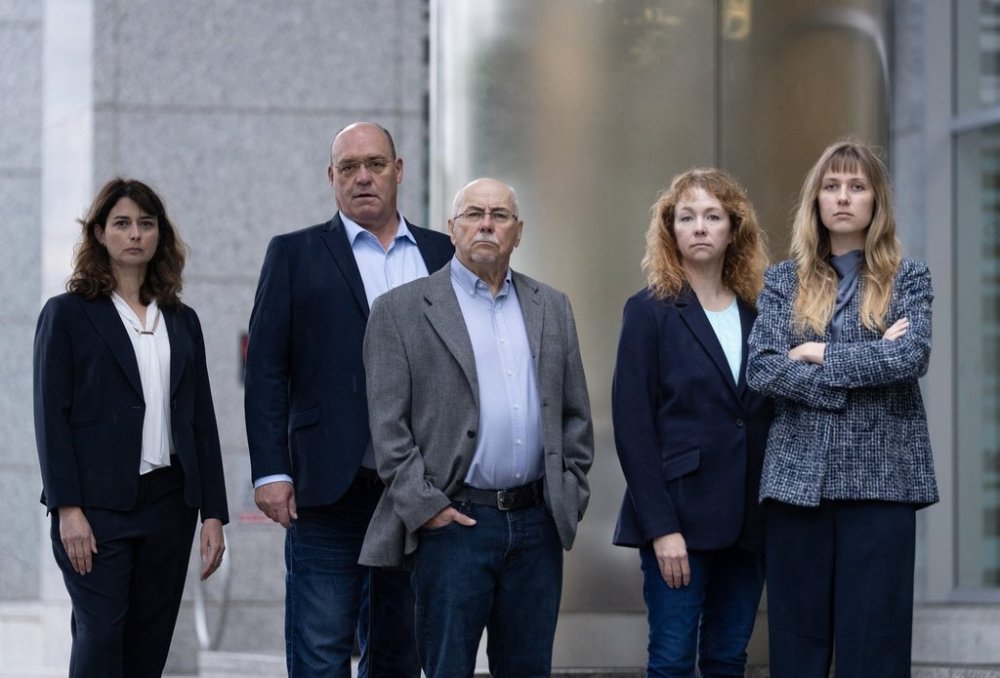
Lawyers at environmental law charity Ecojustice are representing landowners Dwight Popowich and Teresa Patry, as well as the Polluter Pay Federation and the Alberta Surface Rights Federation.
Ecojustice has filed a judicial review application in the Alberta Court of King’s Bench challenging what it says is the Alberta Energy Regulator’s “chronic underfunding” of the Orphan Fund Levy.
The regulator deems oil and gas wells “orphans” when an energy company becomes insolvent, defunct or unable to meet its obligations to safely and responsibly close its sites.
Cleanup is managed through the non-profit Orphan Well Association and is funded through an industry fee, the amount of which the AER recommends to the Alberta government every year.
The Orphan Well Levy for the 2026-27 fiscal year is about $155 million, while the well association has pegged total cleanup costs of its inventory at $1.66 billion.
Such wells can come with “significant risks,” the applicants argue in their lawsuit.
“Orphan wells can leak contaminants into the soil, the air and the water, putting Albertans’ health at risk and causing irreversible damage to the environment,” they said in the court document, adding orphan wells can also affect property values and land use and also come with big unpaid bills to municipalities and landowners.
“Oil and gas corporations with closure liabilities that exceed the value of their remaining assets often do not pay their bills, causing economic damage — and taxpayer funds are used to cover these shortfalls.”
Among other things, the applicants are asking the court to declare the 2026-27 levy “unreasonable” and order it to be recalculated.
The latest monthly numbers from the Orphan Well Association include an inventory of 7,370 wells in need of decommissioning, permanently dismantling equipment so that the site is safe. Another 9,151 are in need of reclamation, which means restoring the land so it’s similar to its original state.
In the 2025-26 fiscal year, the average cost of decommissioning a well was $28,800 and for reclaiming a site, it was $27,700.
An inactive well on Popowich’s property in Two Hills, Alta., was designated an orphan in 2025 after eight years of effort on his part, the claim stated. He was then informed by the Orphan Well Association that it would take 10 to 12 years to reclaim it.
“Cleanup efforts are only as strong as the regulator’s backbone — and when it comes to demanding that industry pays what it owes, that backbone is about as strong as a wet noodle,” Popowich said in a news release.
Patry, who lives near Vermilion, Alta., said the issue goes beyond finances.
“These sites have had very real impacts on my family’s livelihood, property value, health, and peace of mind,” she said in the news release.
The claim also alleges that the regulator has improperly delegated its legal responsibility to set the levy rates to Alberta’s political executive and allows for too much industry influence.
“Our clients, like many Albertans, want to know whether public interest decisions are being driven by rules and laws, or by industry pressure,” said Ecojustice lawyer Susanne Calabrese.
The complainants’ claims have not been tested in court.
This report by The Canadian Press was first published Sept. 8, 2026.