
Canadian food bank use hits 2.3 million monthly visits due to grocery costs: report
Advertisement
Read this article for free:
or
Already have an account? Log in here »
We need your support!
Local journalism needs your support!
As we navigate through unprecedented times, our journalists are working harder than ever to bring you the latest local updates to keep you safe and informed.
Now, more than ever, we need your support.
Starting at $15.99 plus taxes every four weeks you can access your Brandon Sun online and full access to all content as it appears on our website.
Subscribe Nowor call circulation directly at (204) 727-0527.
Your pledge helps to ensure we provide the news that matters most to your community!
To continue reading, please subscribe:
Add Brandon Sun access to your Free Press subscription for only an additional
$1 for the first 4 weeks*
- Enjoy unlimited reading on brandonsun.com
- Read the Brandon Sun E-Edition, our digital replica newspaper
*Your next Free Press subscription payment will increase by $1.00 and you will be charged $20.95 plus GST for four weeks. After four weeks, your payment will increase to $24.95 plus GST every four weeks.
Read unlimited articles for free today:
or
Already have an account? Log in here »
A new report from Food Banks Canada says the number of Canadians struggling with food insecurity continues to grow, as food bank visits hit a new record of more than 2.3 million in March.
The non-profit organization’s latest HungerCount report, released today, says the cost-of-living crisis and economic pressures are weighing heavily on nearly 10 million Canadians experiencing food insecurity.
Its annual survey recorded more than 2,355,000 visits to food banks across Canada in March 2026, an 8.7 per cent increase from the March 2025 record of more than two million visits.
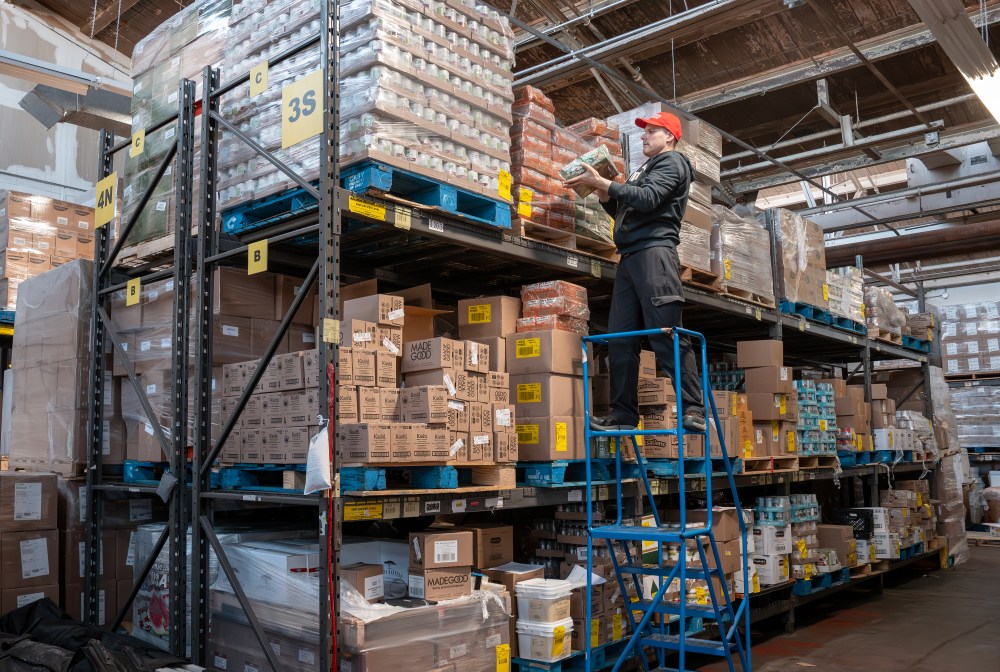
The report says more than a third of this year’s food bank visits, or nearly 776,000, were made by children.
Food Banks Canada CEO Kirstin Beardsley says people are “running out of options” as they try to balance essential spending, such as paying rent, with rising grocery costs.
The HungerCount report says that since 2021, food prices increased by about 30 per cent, housing costs by 28 per cent and transportation by roughly 24 per cent.
One in five food banks across Canada are reportedly running out of food before meeting the needs of all their clients.
“A lot of folks who used to give to food banks are now finding themselves in need of those services,” Beardsley said.
“A job is not enough to ensure that you are not in need of a food bank anymore,” she added. “There’s no other room in their budget to do anything.”
Beardsley said the federal government’s new Canada Groceries and Essential Benefit is one “positive investment,” but it’s not nearly enough to bridge the gap she’s seeing at the community level or in northern regions, where groceries are sold at higher prices due to transport costs.
The report includes a number of policy recommendations, such as doubling the Canada Workers Benefit for low-income residents, expanding food sovereignty initiatives in the North and investing up to $500 million toward food bank infrastructure to meet the demand.
This report by The Canadian Press was first published Oct. 21, 2026.