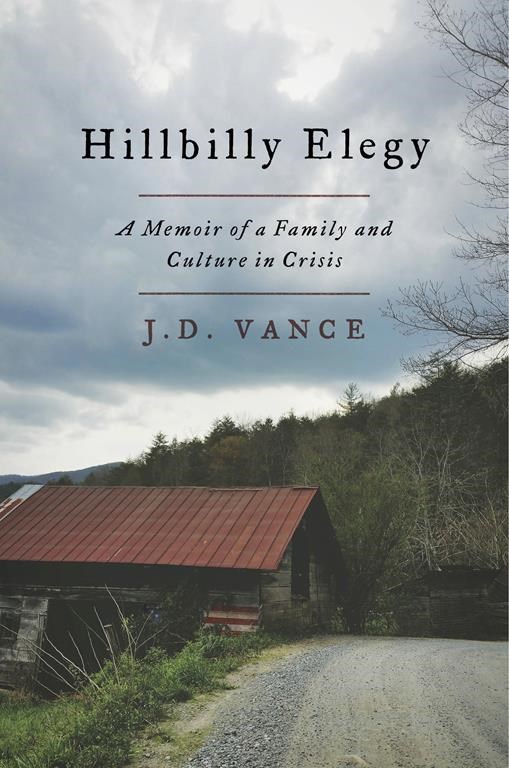
Publisher plans massive ‘Hillbilly Elegy’ reprints to meet demand for VP candidate JD Vance’s book
Advertisement
Read this article for free:
or
Already have an account? Log in here »
We need your support!
Local journalism needs your support!
As we navigate through unprecedented times, our journalists are working harder than ever to bring you the latest local updates to keep you safe and informed.
Now, more than ever, we need your support.
Starting at $15.99 plus taxes every four weeks you can access your Brandon Sun online and full access to all content as it appears on our website.
Subscribe Nowor call circulation directly at (204) 727-0527.
Your pledge helps to ensure we provide the news that matters most to your community!
To continue reading, please subscribe:
Add Brandon Sun access to your Free Press subscription for only an additional
$1 for the first 4 weeks*
*Your next subscription payment will increase by $1.00 and you will be charged $20.00 plus GST for four weeks. After four weeks, your payment will increase to $24.00 plus GST every four weeks.
Read unlimited articles for free today:
or
Already have an account? Log in here »
Hey there, time traveller!
This article was published 25/07/2024 (512 days ago), so information in it may no longer be current.
NEW YORK (AP) — Former President Donald Trump’s selection of JD Vance as his running mate has led to a surge in sales for “Hillbilly Elegy,” his best-selling memoir that came out in 2016.
A spokesperson for HarperCollins told The Associated Press that more than 650,000 copies have been sold since Trump’s announcement on July 15. The total includes physical books, audio books and e-books.
“We are printing hundreds of thousands of copies to fill the demand at our retail partners,” the publisher announced Thursday.
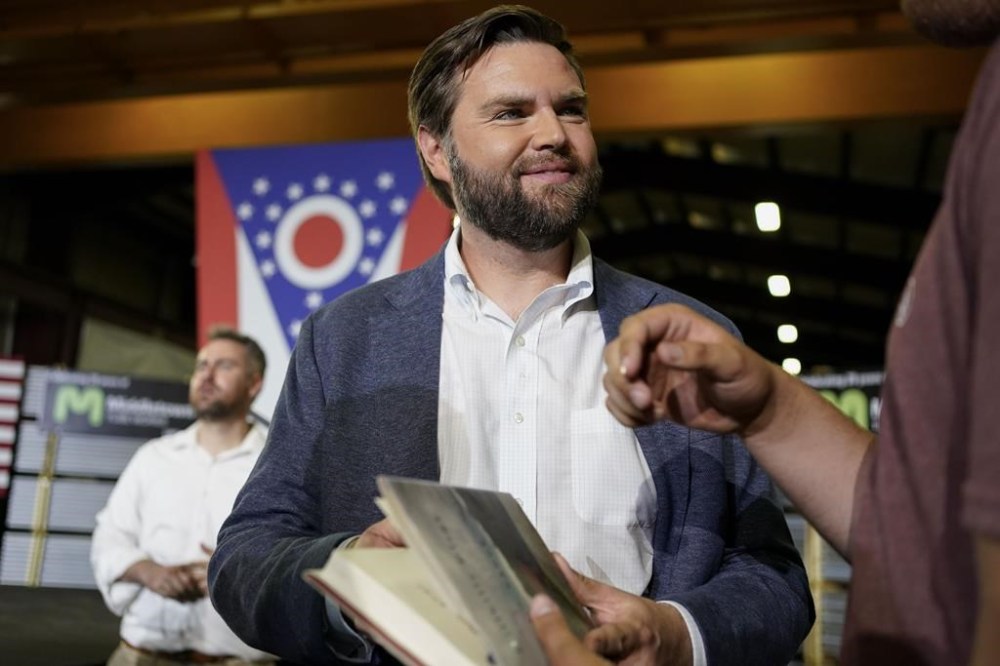
Vance’s book already had sold more than 3 million copies before Trump chose him for the Republican ticket. “Hillbilly Elegy,” which Ron Howard adapted into a feature film released in 2020, tells of Vance’s childhood in Ohio and his family’s roots in rural Kentucky. After Trump’s stunning victory in 2016, the book was widely cited as essential reading for Trump opponents trying to understand his appeal to working class whites, even as some critics faulted it at as a narrow and misleading portrait of Appalachia and of poverty in the U.S.