
Manitoba government plans to explore ways to support local media outlets
Advertisement
Read this article for free:
or
Already have an account? Log in here »
We need your support!
Local journalism needs your support!
As we navigate through unprecedented times, our journalists are working harder than ever to bring you the latest local updates to keep you safe and informed.
Now, more than ever, we need your support.
Starting at $15.99 plus taxes every four weeks you can access your Brandon Sun online and full access to all content as it appears on our website.
Subscribe Nowor call circulation directly at (204) 727-0527.
Your pledge helps to ensure we provide the news that matters most to your community!
To continue reading, please subscribe:
Add Brandon Sun access to your Free Press subscription for only an additional
$1 for the first 4 weeks*
*Your next subscription payment will increase by $1.00 and you will be charged $20.00 plus GST for four weeks. After four weeks, your payment will increase to $24.00 plus GST every four weeks.
Read unlimited articles for free today:
or
Already have an account? Log in here »
Hey there, time traveller!
This article was published 28/11/2024 (519 days ago), so information in it may no longer be current.
WINNIPEG – The Manitoba government is planning to look for ways to support local journalism, although it is currently unclear what kind of help might be offered and which outlets might qualify.
The NDP government wants to set up a legislature committee, which would include members of the Opposition Progressive Conservatives, to look for ways to make the media landscape less uncertain.
“We recognize that a lot of local papers have lost staff over the years, so we want to make sure that we strengthen local media,” NDP legislature member Robert Loiselle said Thursday.
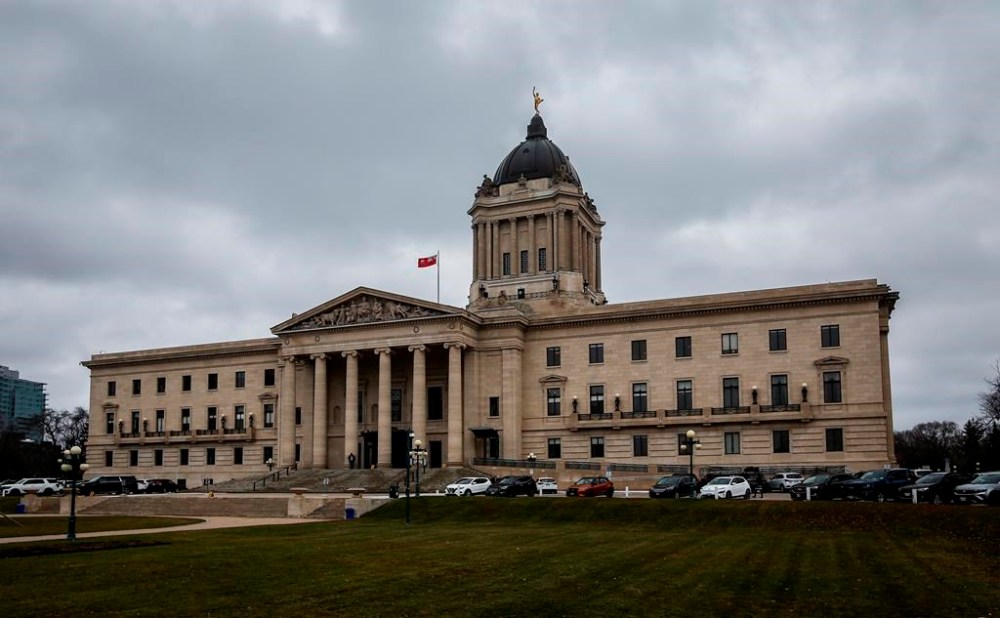
The committee, which would be made up of four New Democrats and two Tories, would look at public support options for local journalism outlets “including rural and cultural media such as French, Filipino, Punjabi and Chinese language publications,” a government motion put forward in the legislature says. The committee would report its findings just over a year from now.
Loiselle said decisions such as which outlets get support have yet to be determined. Whether religious publications would qualify, and whether government support would involve subsidies, paid advertising or another form of aid are also open questions.
“I think it’s up to the committee to look at that,” Loiselle said.
Loiselle initially said the aid would be available only to print media outlets. The Tories said that came as a surprise and is among unanswered questions about the initiative.
“I’ve got a lot of rural radio stations and other types of people that do great work supporting local stories … in my constituency and many others,” Tory legislature member Grant Jackson said.
“So that’s a concerning development for us that we’ve got to have a caucus conversation about.”
Hours later, the NDP caucus clarified that the committee would also consider aid to non-print outlets such as broadcasters and online publications.
The disagreement between the two political parties on the topic has extended to the wording of the government’s motion to establish the committee. The Tories want to change the wording that mentions specific cultural communities to instead say “rural and cultural media representing all ethnicities and non-official languages.”
This report by The Canadian Press was first published Nov. 28, 2024.