
French artist imprisoned in Azerbaijan due to graffiti is freed after 14 months
Advertisement
Read this article for free:
or
Already have an account? Log in here »
We need your support!
Local journalism needs your support!
As we navigate through unprecedented times, our journalists are working harder than ever to bring you the latest local updates to keep you safe and informed.
Now, more than ever, we need your support.
Starting at $15.99 plus taxes every four weeks you can access your Brandon Sun online and full access to all content as it appears on our website.
Subscribe Nowor call circulation directly at (204) 727-0527.
Your pledge helps to ensure we provide the news that matters most to your community!
To continue reading, please subscribe:
Add Brandon Sun access to your Free Press subscription for only an additional
$1 for the first 4 weeks*
*Your next subscription payment will increase by $1.00 and you will be charged $20.00 plus GST for four weeks. After four weeks, your payment will increase to $24.00 plus GST every four weeks.
Read unlimited articles for free today:
or
Already have an account? Log in here »
Hey there, time traveller!
This article was published 27/05/2025 (305 days ago), so information in it may no longer be current.
PARIS (AP) — A French street artist who had been sentenced to three years in prison in Azerbaijan for painting a graffiti in the metro has been pardoned and freed, French authorities said Tuesday.
Théo Clerc has returned to France following 422 days in detention after he was pardoned by Azerbaijan’s President Ilham Aliyev, France’s Foreign Minister Jean-Noël Barrot told lawmakers.
“It is the honor and pride of French diplomacy and its representatives to have worked tirelessly for his release,” Barrot said.
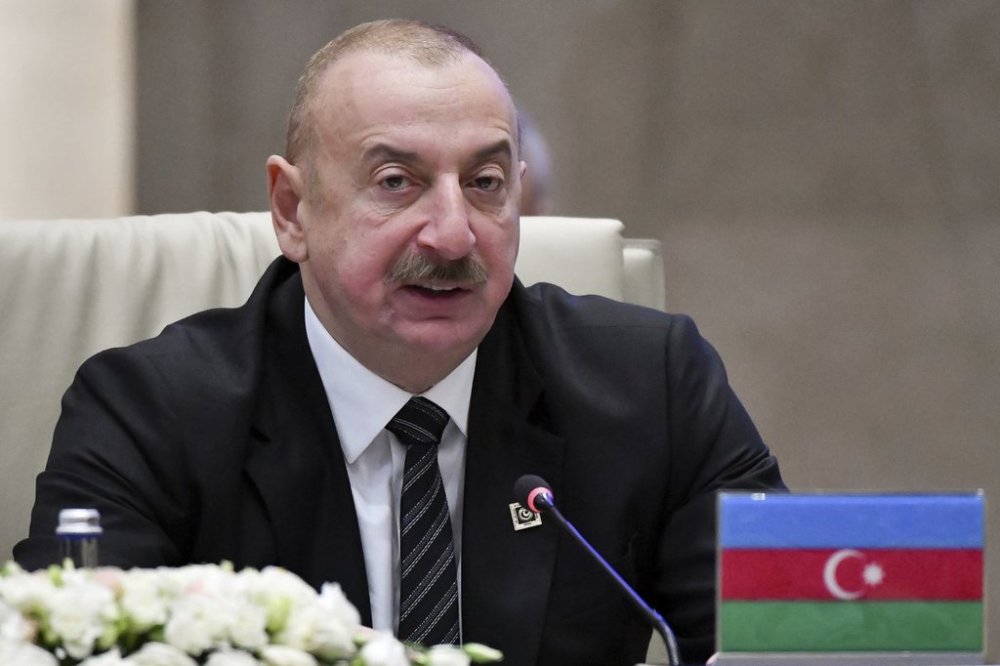
French authorities had complained in September that Clerc was submitted to “discriminatory treatment,” because two codefendants who were accused of the same offense but who were not French were only fined.
France previously has advised its citizens against traveling to Azerbaijan because of a lack of legal protections and the risk of “arbitrary detention and unfair sentencing.”