
Police investigate how Rome’s beloved Bernini elephant sculpture lost the tip of its tusk – again
Advertisement
Read this article for free:
or
Already have an account? Log in here »
We need your support!
Local journalism needs your support!
As we navigate through unprecedented times, our journalists are working harder than ever to bring you the latest local updates to keep you safe and informed.
Now, more than ever, we need your support.
Starting at $15.99 plus taxes every four weeks you can access your Brandon Sun online and full access to all content as it appears on our website.
Subscribe Nowor call circulation directly at (204) 727-0527.
Your pledge helps to ensure we provide the news that matters most to your community!
To continue reading, please subscribe:
Add Brandon Sun access to your Free Press subscription for only an additional
$1 for the first 4 weeks*
*Your next subscription payment will increase by $1.00 and you will be charged $20.00 plus GST for four weeks. After four weeks, your payment will increase to $24.00 plus GST every four weeks.
Read unlimited articles for free today:
or
Already have an account? Log in here »
ROME (AP) — Italian police are investigating how one of Rome’s most beloved monuments, the elephant sculpture designed by Baroque sculptor Gian Lorenzo Bernini, lost the tip of its left tusk — again.
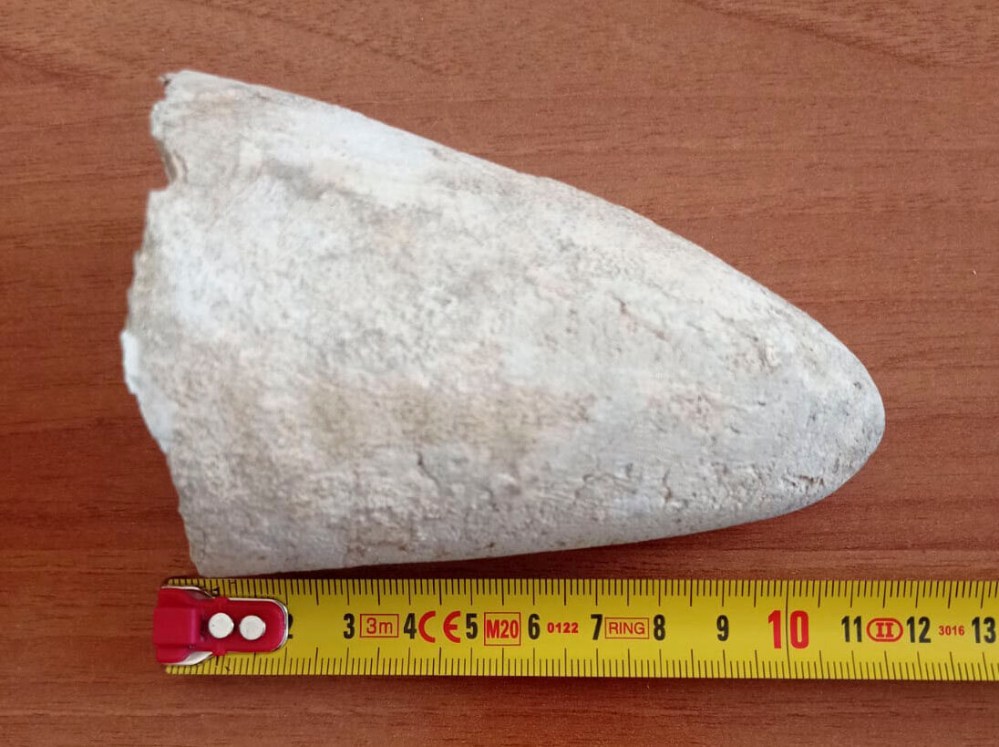
Police found the 11-centimeter (4-inch) marble fragment near the statue over the weekend. They said on Wednesday that they had determined it wasn’t original to Bernini’s work but was added on during restoration work in 1977.
The same tip had already broken off during an act of vandalism in 2016, Rome’s city hall said.
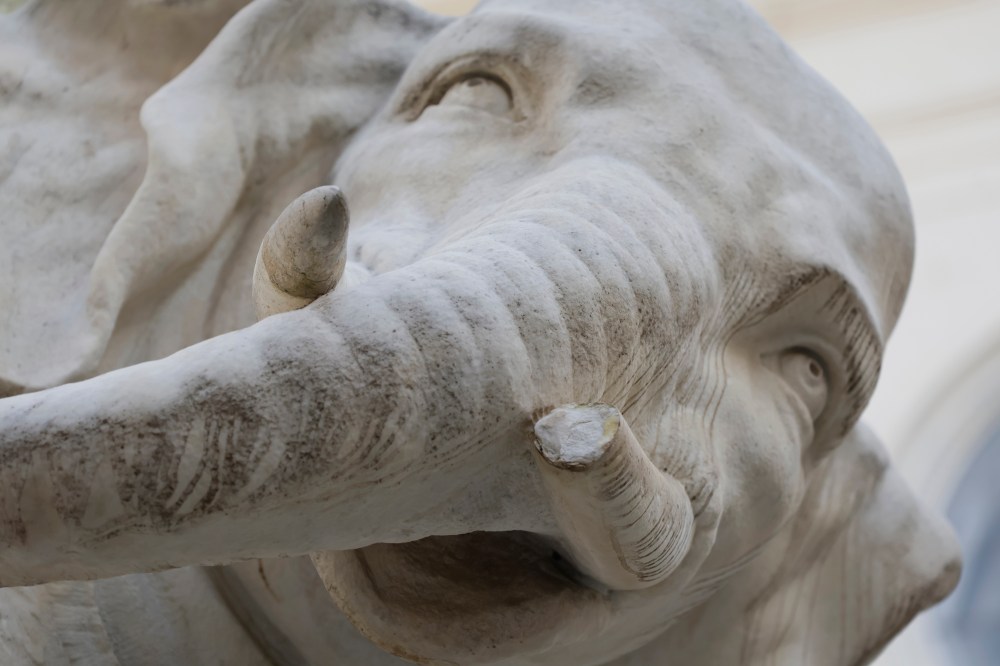
Police were now reviewing security cameras to try to figure out who, if anyone, was responsible for breaking it off a second time.
The stocky little elephant, not far from Rome’s Pantheon, is a frequent stop for tourists. Pope Alexander VII commissioned Rome’s most famous Baroque sculptor, Bernini, to design it after Dominican friars discovered a small Egyptian obelisk in the grounds of their nearby convent, which is adjacent to the Basilica of Santa Maria Sopra Minerva.
The elephant, located in the Piazza della Minerva in front of the basilica, holds the obelisk on its back.
According to the Rome city hall website, Bernini and the friars disagreed about the work: The artist believed the weight of the obelisk could be borne by the elephant’s four legs, but the friars insisted the obelisk would be more stable with a stone support under its belly.
They won the argument, and the stocky look gave the elephant the nickname “Minerva’s Piglet,” because with such short legs and the central support, it looks more like a pig than an elephant.
According to popular legend, Bernini took his revenge against the friars by facing the rear of the elephant with its tail lifted toward their convent.