
Toronto director’s worst fears were realized. He channelled his grief into ‘Undertone’
Advertisement
Read this article for free:
or
Already have an account? Log in here »
We need your support!
Local journalism needs your support!
As we navigate through unprecedented times, our journalists are working harder than ever to bring you the latest local updates to keep you safe and informed.
Now, more than ever, we need your support.
Starting at $15.99 plus taxes every four weeks you can access your Brandon Sun online and full access to all content as it appears on our website.
Subscribe Nowor call circulation directly at (204) 727-0527.
Your pledge helps to ensure we provide the news that matters most to your community!
To continue reading, please subscribe:
Add Brandon Sun access to your Free Press subscription for only an additional
$1 for the first 4 weeks*
*Your next subscription payment will increase by $1.00 and you will be charged $20.00 plus GST for four weeks. After four weeks, your payment will increase to $24.00 plus GST every four weeks.
Read unlimited articles for free today:
or
Already have an account? Log in here »
TORONTO – A new A24 horror film that’s attracted social media buzz and is being released internationally this weekend was inspired by a Toronto filmmaker’s own fears and personal loss.
Ian Tuason’s “Undertone” stars “The Handmaid’s Tale” actress Nina Kiri as a woman who’s haunted by disturbing audio sent by her paranormal podcast co-host, played by “White Lotus” star Adam DiMarco.
Tuason shot “Undertone” at his family home in Rexdale, a west-end Toronto suburb, where he cared for his ailing parents, who both died.
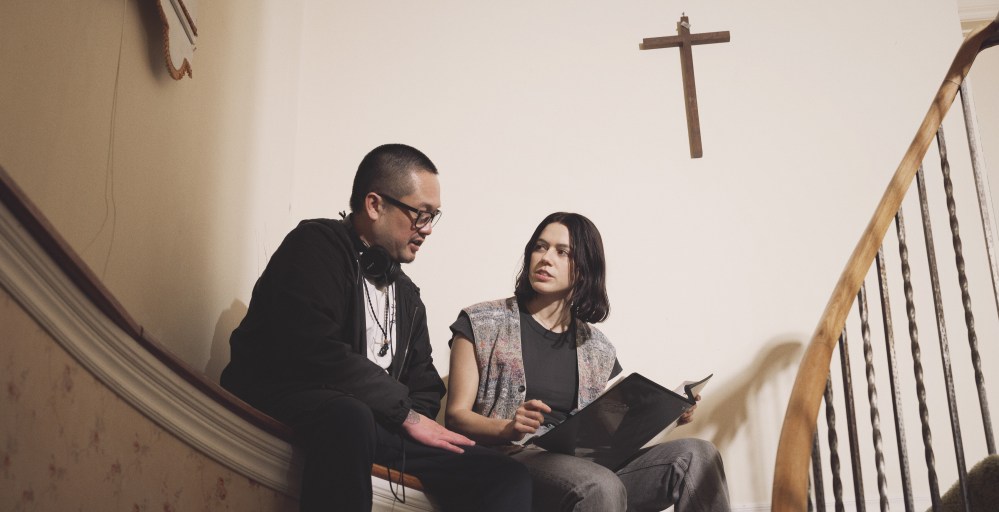
He says the grief and loss changed the way he interacted with people around him, but also instilled confidence in his film.
He believes “Undertone” will resonate because of the way it taps into people’s anxieties.
“I was drawing from my personal fears, putting it into the script. And I think a lot of people share those fears. Either they went through it or they’re afraid of going through it one day. And I’m glad it worked,” he said during an interview at the home where the film was shot, and that he owns.
He says the process allowed him to shake his own angst.
“I lost the two people I cared about the most. And once that happened, I didn’t really care about anyone and what they thought, genuinely. And because of that I just say whatever I want.”
-With files from Alex Nino Gheciu and Fatima Raza
This report by The Canadian Press was first published March 13, 2025.