
Books by Lyse Doucet and Arundhati Roy make shortlist for Women’s Prize for Nonfiction
Advertisement
Read this article for free:
or
Already have an account? Log in here »
We need your support!
Local journalism needs your support!
As we navigate through unprecedented times, our journalists are working harder than ever to bring you the latest local updates to keep you safe and informed.
Now, more than ever, we need your support.
Starting at $15.99 plus taxes every four weeks you can access your Brandon Sun online and full access to all content as it appears on our website.
Subscribe Nowor call circulation directly at (204) 727-0527.
Your pledge helps to ensure we provide the news that matters most to your community!
To continue reading, please subscribe:
Add Brandon Sun access to your Free Press subscription for only an additional
$1 for the first 4 weeks*
- Enjoy unlimited reading on brandonsun.com
- Read the Brandon Sun E-Edition, our digital replica newspaper
*Your next Free Press subscription payment will increase by $1.00 and you will be charged $20.95 plus GST for four weeks. After four weeks, your payment will increase to $24.95 plus GST every four weeks.
Read unlimited articles for free today:
or
Already have an account? Log in here »
LONDON (AP) — Two books about hotels as places of risk and refuge in wartime are among finalists announced Wednesday for the Women’s Prize for Nonfiction, set up to help rectify a gender imbalance in publishing.
“The Finest Hotel in Kabul: A People’s History of Afghanistan” by Canadian journalist Lyse Doucet and U.K. author Jane Rogoyska’s “Hotel Exile: Paris in the Shadow of War” are on a six-book shortlist announced Wednesday for the 30,000 pound ($40,000) prize.
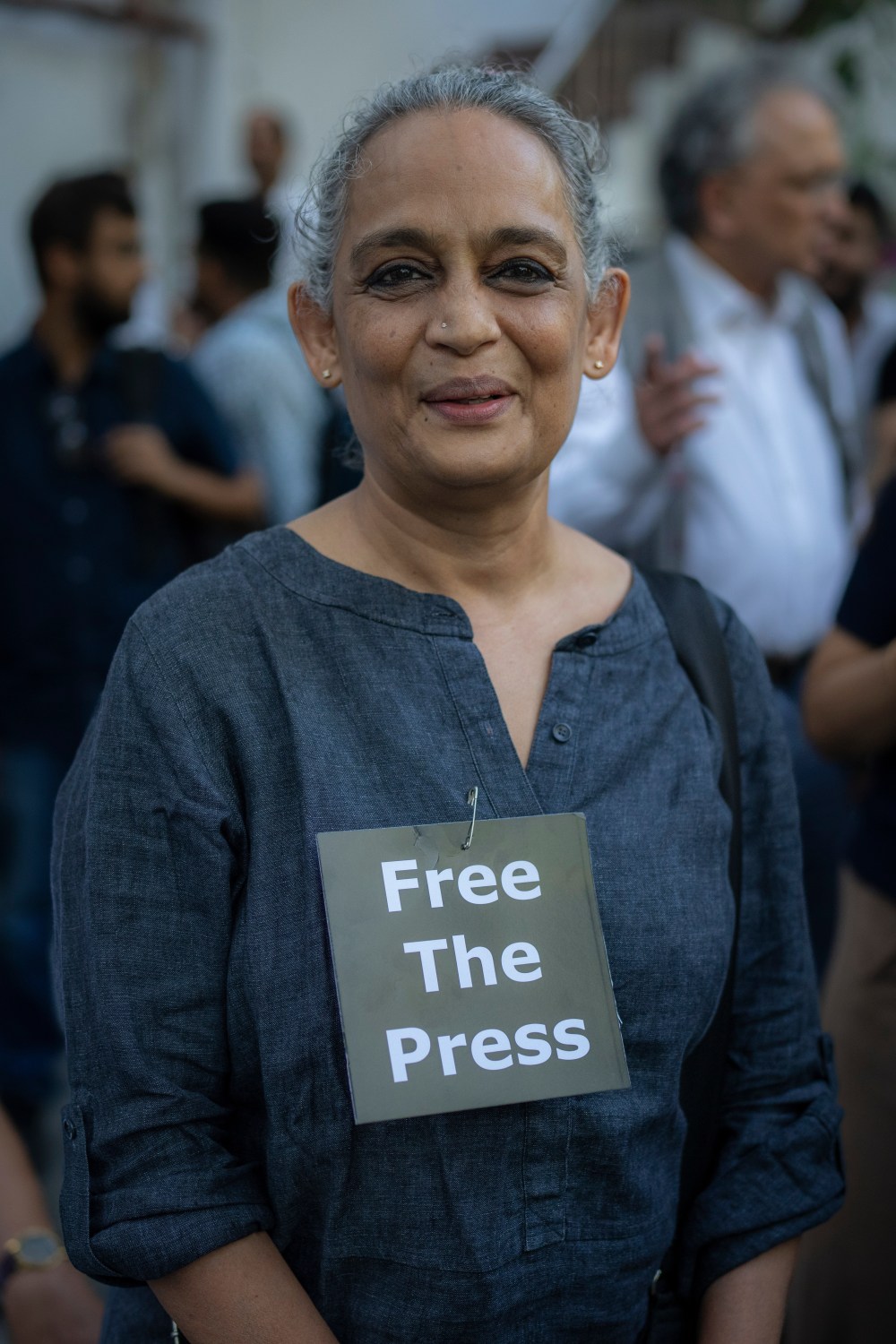
Also in the running are Indian author Arundhati Roy’s memoir “Mother Mary Comes to Me” and Turkish writer Ece Temelkuran’s exploration of migration “Nation of Strangers: Rebuilding Home in the 21st Century”
The list is completed by two books about art by British writers – “Art Cure: The Science of How the Arts Transform Our Health” by Daisy Fancourt and Judith Mackrell’s “Artists, Siblings, Visionaries: The Lives and Loves of Gwen and Augustus John.”
Labour Party politician Thangam Debbonaire, who is chairing the judging panel, said the finalists “are six books of authority, told with humanity.”
“These books are an urgent antidote to mis- and dis-information, written with high standards of scholarship,” she said. “They offer rich and original insights, in what often feels like a fragmented and uncertain world.”
The award is a sister to the 31-year-old Women’s Prize for Fiction and is open to female English-language writers from any country in any nonfiction genre. It was established in 2024 in response to statistics showing men in the U.K. buy more nonfiction than women, and write more high-profile nonfiction books.
In 2022, only 26.5% of nonfiction books reviewed in Britain’s newspapers were by women, and male writers dominated established nonfiction writing prizes.
Last year’s winner was British physician Rachel Clarke for “The Story of a Heart,” which explores the human drama behind organ donation.
Winners of both nonfiction and fiction prizes will be announced June 11 at a ceremony in London.