
Northern Arizona watches winds as Western wildfires blaze
Advertisement
Read this article for free:
or
Already have an account? Log in here »
We need your support!
Local journalism needs your support!
As we navigate through unprecedented times, our journalists are working harder than ever to bring you the latest local updates to keep you safe and informed.
Now, more than ever, we need your support.
Starting at $15.99 plus taxes every four weeks you can access your Brandon Sun online and full access to all content as it appears on our website.
Subscribe Nowor call circulation directly at (204) 727-0527.
Your pledge helps to ensure we provide the news that matters most to your community!
To continue reading, please subscribe:
Add Brandon Sun access to your Free Press subscription for only an additional
$1 for the first 4 weeks*
*Your next subscription payment will increase by $1.00 and you will be charged $20.00 plus GST for four weeks. After four weeks, your payment will increase to $24.00 plus GST every four weeks.
Read unlimited articles for free today:
or
Already have an account? Log in here »
Hey there, time traveller!
This article was published 13/06/2022 (1357 days ago), so information in it may no longer be current.
FLAGSTAFF, Ariz. (AP) — Calmer winds and cooler temperatures Tuesday allowed firefighters across the U.S. West to get a better handle on blazes that have forced hundreds of people from their homes.
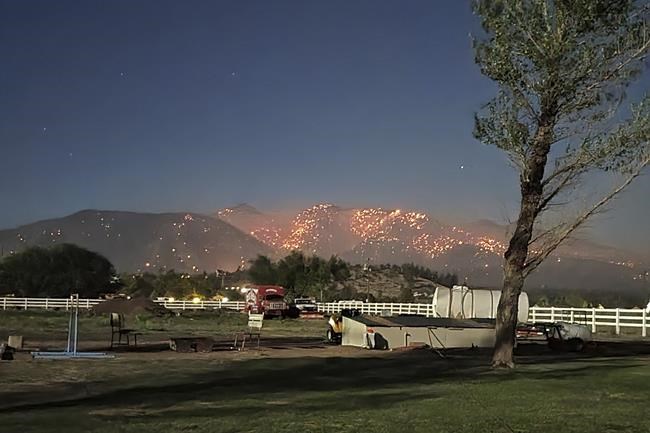
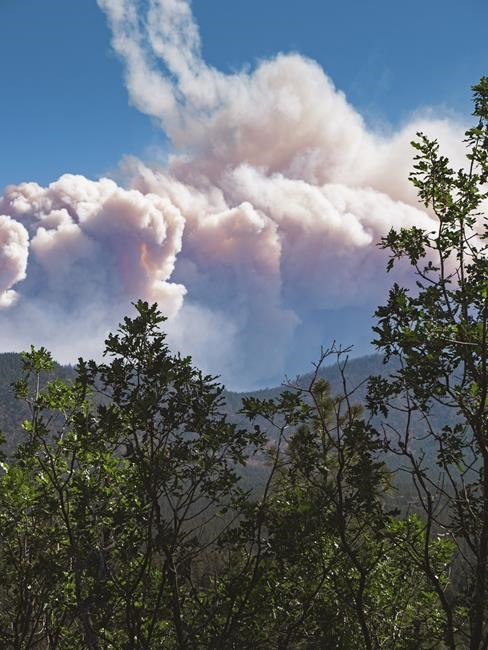
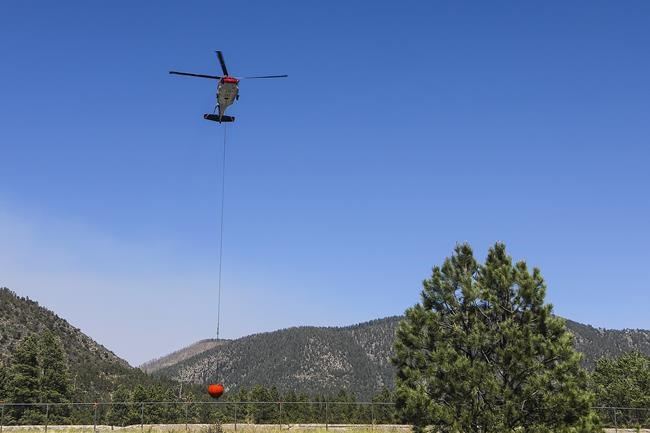
As red flag warnings expired and winds died down in northern Arizona, firefighters took advantage of the weather changes to attack a 31-square-mile (81-square-kilometer) blaze by air and at the fire’s edges.
“They’re optimistic to make some headway,” fire information officer Cathie Pauls said.
The forecast for later this week called for a chance of showers, which could dampen the blaze but might bring the chance of new fires from lightning strikes.
Meanwhile, authorities downgraded evacuations for the larger of two wildfires burning on the outskirts of Flagstaff, Arizona.
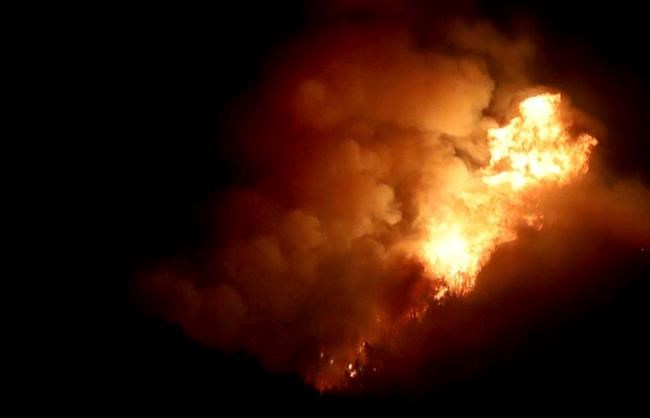
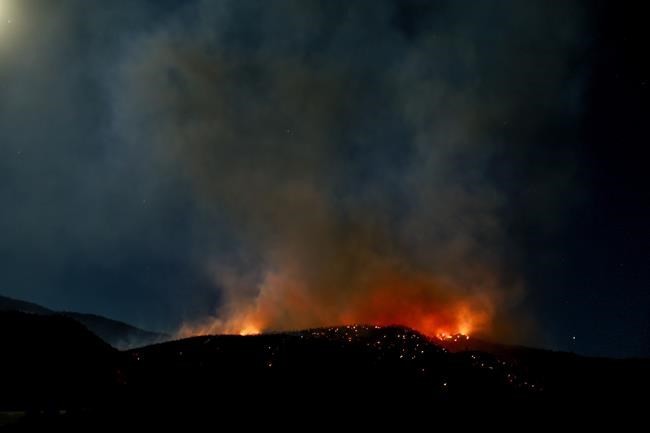
That fire made a run into a wilderness area and reached a lava dome to the northeast, away from most neighborhoods. One home and a secondary structure had burned, the Coconino County Sheriff’s Office said. About 350 homes remained evacuated Tuesday.
Another 280 homes were evacuated because of a smaller wildfire that burned about 6 square miles (16 square kilometers) in a more remote area.
Sandra Morales planned to return home Wednesday, a day after evacuations for her neighborhood were lifted.
Still, she worried about the smoke, potential wind shifts and the risk of flooding later in the fire area.
“Next thing you know, we have to be worried about the monsoons and all that,” she said. “That debris, if it gets severe, it’s going to come down the mountain.”
Climate change and an enduring drought have fanned the frequency and intensity of forest and grassland fires. Multiple states had early starts to the wildfire season this spring.
The number of square miles burned so far this year is more than double the 10-year national average, and states like New Mexico have already set records with devastating blazes that destroyed hundreds of homes while causing environmental damage that is expected to affect water supplies.
Nationally, more than 6,200 wildland firefighters were battling nearly three dozen uncontained fires that had charred over 1,780 square miles (4,611 square kilometers), much of it in the U.S. Southwest, according to the National Interagency Fire Center.
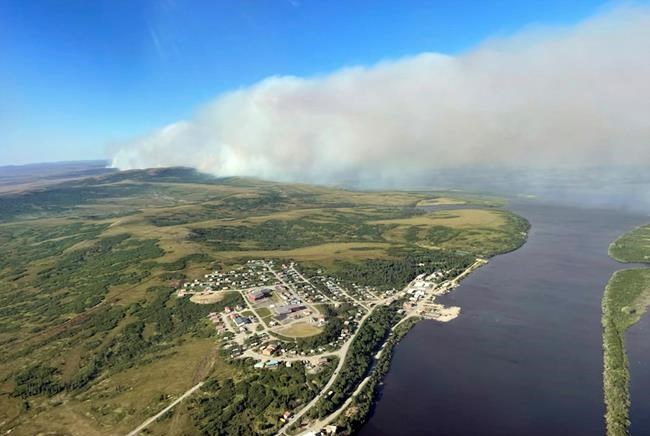
In southwest Alaska, favorable winds shifted the progression of a fire that’s burned 202 square miles (523 square kilometers) of dry grass and brush, fire managers said Tuesday. No one had been evacuated, and no structures were damaged or lost.
In California, firefighters reported significant progress against a wildfire near the San Gabriel Mountains community of Wrightwood, but evacuation orders and warnings remained in place. The blaze has scorched about 1.5 square miles (3.9 square kilometers) since erupting over the weekend and was 27% contained.
In Northern California’s Tehama County, firefighters gained 30% containment of a fire that destroyed 10 buildings, damaged four others and threatened about 160 structures, fire officials said.
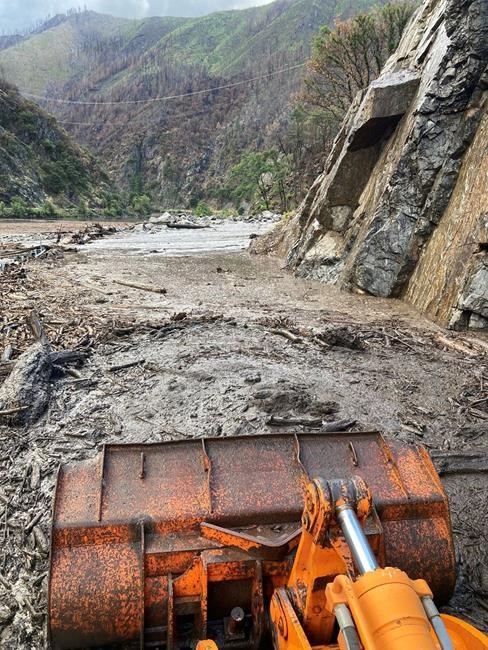
In a wildfire-related situation, a 50-mile (80-km) stretch of State Route 70 in Northern California remained closed indefinitely after mud, boulders and dead trees inundated lanes during flash floods along a burn scar.
___
Associated Press writers John Antczak in Los Angeles and Mark Thiessen in Anchorage, Alaska, contributed to this report.
Related Articles
Yellowstone flooding forces 10,000 to leave national park
Advertisement Advertise With Us
Advertisement Advertise With Us