
Fungus that causes deadly white nose syndrome among bats detected in B.C. guano
Advertisement
Read this article for free:
or
Already have an account? Log in here »
We need your support!
Local journalism needs your support!
As we navigate through unprecedented times, our journalists are working harder than ever to bring you the latest local updates to keep you safe and informed.
Now, more than ever, we need your support.
Starting at $15.99 plus taxes every four weeks you can access your Brandon Sun online and full access to all content as it appears on our website.
Subscribe Nowor call circulation directly at (204) 727-0527.
Your pledge helps to ensure we provide the news that matters most to your community!
To continue reading, please subscribe:
Add Brandon Sun access to your Free Press subscription for only an additional
$1 for the first 4 weeks*
- Enjoy unlimited reading on brandonsun.com
- Read the Brandon Sun E-Edition, our digital replica newspaper
*Your next Free Press subscription payment will increase by $1.00 and you will be charged $20.95 plus GST for four weeks. After four weeks, your payment will increase to $24.95 plus GST every four weeks.
Read unlimited articles for free today:
or
Already have an account? Log in here »
Hey there, time traveller!
This article was published 03/04/2023 (1260 days ago), so information in it may no longer be current.
GRAND FORKS, B.C. – A fungus that has led to some Canadian bat populations becoming endangered has been found in British Columbia.
The province’s Ministry of Water, Land and Resource Stewardship says the fungus that causes white nose syndrome, which has no proven treatment, has been detected in bat guano in the Grand Forks area.
First discovered in New York state in 2006, white nose syndrome has spread to 38 states and eight provinces and is responsible for three Canadian bat species being listed as “endangered” under the federal Species at Risk Act.
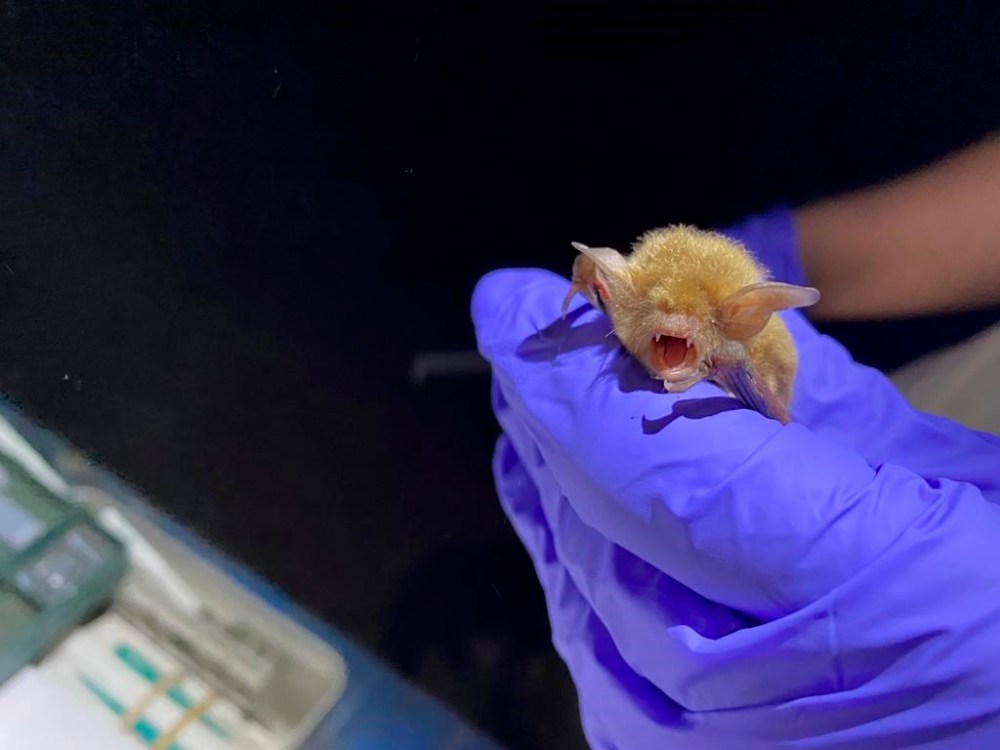
The ministry says the fungus is primarily spread by bat-to-bat contact and doesn’t affect humans but can spread through the movement of contaminated clothing and gear, or through accidental transport of the animals.
The public is being asked to contact the BC Community Bat Program or the ministry if they know the location of winter bat roosting sites, or if they see dead bats or unusual behaviour like flying during the day.
The ministry says it’s working with multiple partners to implement enhanced surveillance for the disease as well as reduce threats to bat habitat.
This report by The Canadian Press was first published April 3, 2023.