
Rewriting history: A look at some historical sites where plaques may be changed
Advertisement
Read this article for free:
or
Already have an account? Log in here »
We need your support!
Local journalism needs your support!
As we navigate through unprecedented times, our journalists are working harder than ever to bring you the latest local updates to keep you safe and informed.
Now, more than ever, we need your support.
Starting at $15.99 plus taxes every four weeks you can access your Brandon Sun online and full access to all content as it appears on our website.
Subscribe Nowor call circulation directly at (204) 727-0527.
Your pledge helps to ensure we provide the news that matters most to your community!
To continue reading, please subscribe:
Add Brandon Sun access to your Free Press subscription for only an additional
$1 for the first 4 weeks*
- Enjoy unlimited reading on brandonsun.com
- Read the Brandon Sun E-Edition, our digital replica newspaper
*Your next Free Press subscription payment will increase by $1.00 and you will be charged $20.95 plus GST for four weeks. After four weeks, your payment will increase to $24.95 plus GST every four weeks.
Read unlimited articles for free today:
or
Already have an account? Log in here »
Hey there, time traveller!
This article was published 19/05/2023 (1222 days ago), so information in it may no longer be current.
Parks Canada is rewriting hundreds of outdated historical plaques that mark some of the country’s most prominent places and events.
Here’s a look at 10 sites where texts are being reviewed:
1. Batoche National Historic Site in Saskatchewan, for colonial assumptions.
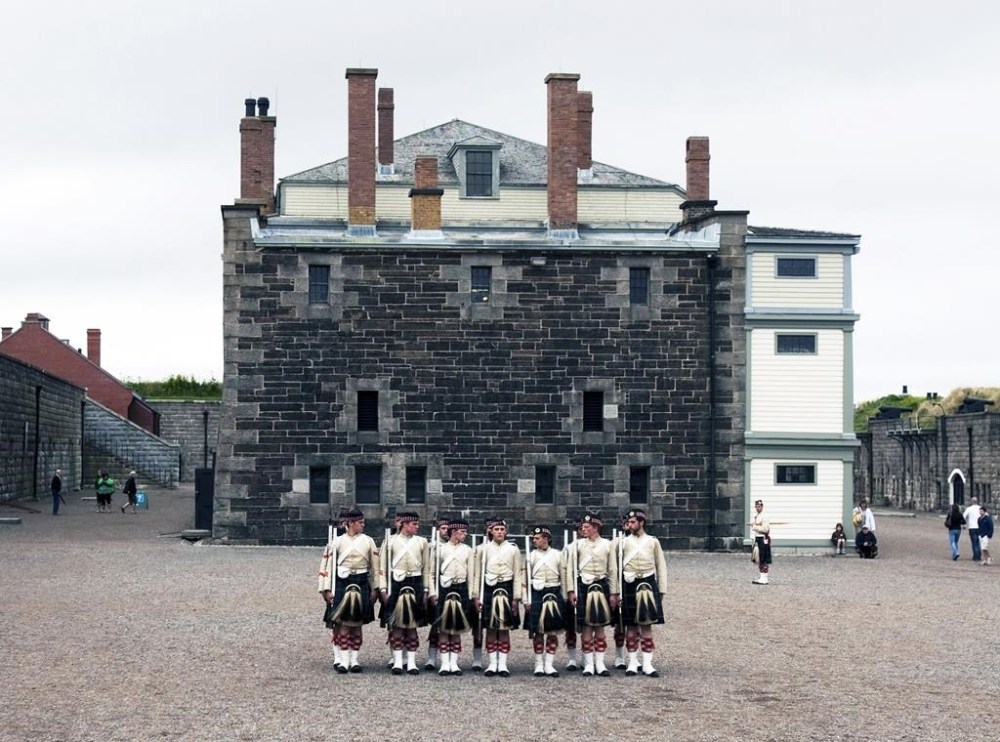
2. Arrival of Jacques Cartier in the Gaspe region of Quebec, for colonial assumptions.
3. Fort Walsh in Saskatchewan, for colonial assumptions and antiquated terminology.
4. Yukon Gold Discovery in Yukon, for colonial assumptions, antiquated terminology and Indigenous erasure.
5. Exploration of the Fraser River in British Columbia, for colonial assumptions.
6. Halifax Citadel in Nova Scotia, for colonial assumptions.
7. York Factory in Manitoba, for colonial assumptions.
8. The Battle of Queenston Heights in Ontario, for colonial assumptions.
9. Parliament Buildings in Ottawa, for Indigenous erasure.
10. Rocky Mountain House in Alberta, for colonial assumptions, antiquated terminology and Indigenous erasure.
This report by The Canadian Press was first published May 19, 2023.