
Early snowmelt in Western mountains means drier summers, more wildfire risk: study
Advertisement
Read this article for free:
or
Already have an account? Log in here »
We need your support!
Local journalism needs your support!
As we navigate through unprecedented times, our journalists are working harder than ever to bring you the latest local updates to keep you safe and informed.
Now, more than ever, we need your support.
Starting at $15.99 plus taxes every four weeks you can access your Brandon Sun online and full access to all content as it appears on our website.
Subscribe Nowor call circulation directly at (204) 727-0527.
Your pledge helps to ensure we provide the news that matters most to your community!
To continue reading, please subscribe:
Add Brandon Sun access to your Free Press subscription for only an additional
$1 for the first 4 weeks*
- Enjoy unlimited reading on brandonsun.com
- Read the Brandon Sun E-Edition, our digital replica newspaper
*Your next Free Press subscription payment will increase by $1.00 and you will be charged $20.95 plus GST for four weeks. After four weeks, your payment will increase to $24.95 plus GST every four weeks.
Read unlimited articles for free today:
or
Already have an account? Log in here »
Hey there, time traveller!
This article was published 28/05/2023 (1279 days ago), so information in it may no longer be current.
VANCOUVER – Leaner snowpack in Western Canada and United States mountain ranges is causing drier summers and increasing wildfire risk, says a new study from the University of Colorado Boulder.
Lead author Kate Hale said her team analyzed mountain snow data and found snowpack water storage decreased more than 25 per cent from 1950 to 2013. This, she said, can be attributed to earlier snowmelt, less snowfall and more rain.
“We actually saw some of the strongest signals up in the Canadian Rockies, by way of this decrease in snowfall and then earlier snowmelts and rainfall generation,” Hale said in an interview.
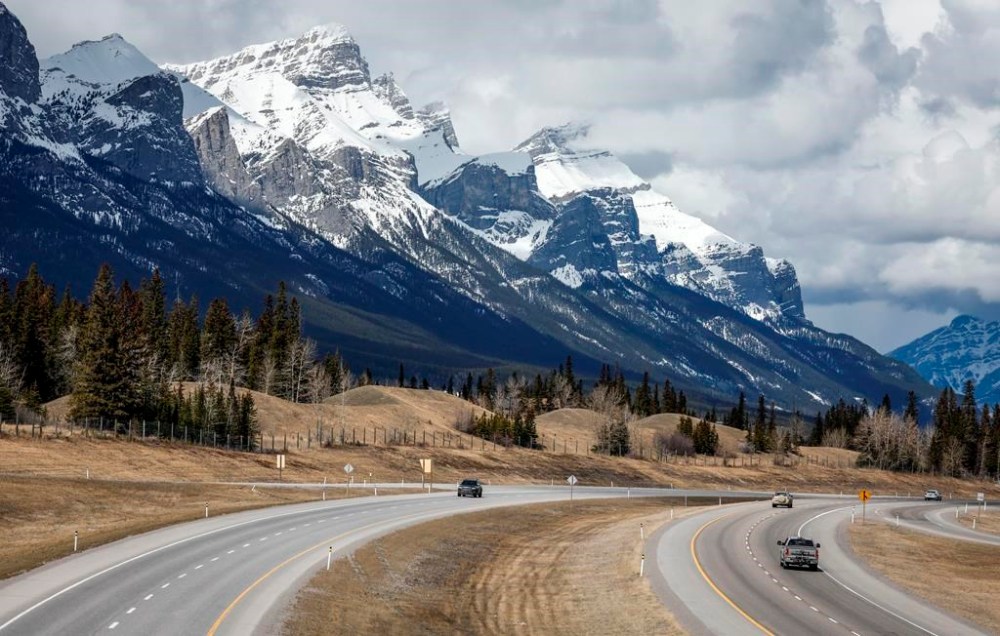
Snowmelt serves as the primary water resource in western mountain regions, the study says. The ranges store snow throughout the winter, which then melts during spring and summer months when demand for water peaks.
Hale said snow in these regions typically wouldn’t start melting until late May or June, but has begun showing signs of snow thawing as early as March.
Such a shift in snowmelt may pose challenges for residents as much of the infrastructure in these regions were designed to adapt to when water becomes available, Hale said.
“The snowmelts are providing most of the downstream water resources, such that if there is more snowmelt occurring earlier in the year, that means there will be less available for later in the year,” she said.
Holly Chubb, a climate researcher at the University of British Columbia, agreed, saying a serious decline in the snowpack would cause “cascading issues” for energy security in B.C.
“We rely on hydroelectric power as a major source to power our businesses, our homes and our schools, and the hydroelectric power is generally fed from the glacier, which fills our reservoirs,” she said in an interview.
“We may have to really adjust our usage, our consumption, and think about actually how we are utilizing hydro power in B.C.”
She said changes in snowmelt may impact soil and lead to an increase in the size and duration of wildfires.
It could also disrupt wildlife, she added. For instance, she said early snowmelt could shift the volume and temperature of rivers, which could prevent fish from spawning and reduce the province’s salmon population.
“All of this information about the timing of snow melting is really, really essential to our cultural, economic and general energy security in British Columbia,” she said.
She suggested governments follow advice from Indigenous leaders.
“They have seen the changes in this landscape for thousands of years,” she said. “They have a deep knowledge and relationship with the land, with salmon, with bears that we do not have and that knowledge system is incredibly valuable.”
This report by The Canadian Press was first published May 28, 2023.
This story was produced with the financial assistance of the Meta and Canadian Press News Fellowship.