
FIFA made false claims about ‘carbon-neutral’ World Cup in Qatar, Swiss regulator says
Advertisement
Read this article for free:
or
Already have an account? Log in here »
We need your support!
Local journalism needs your support!
As we navigate through unprecedented times, our journalists are working harder than ever to bring you the latest local updates to keep you safe and informed.
Now, more than ever, we need your support.
Starting at $15.99 plus taxes every four weeks you can access your Brandon Sun online and full access to all content as it appears on our website.
Subscribe Nowor call circulation directly at (204) 727-0527.
Your pledge helps to ensure we provide the news that matters most to your community!
To continue reading, please subscribe:
Add Brandon Sun access to your Free Press subscription for only an additional
$1 for the first 4 weeks*
- Enjoy unlimited reading on brandonsun.com
- Read the Brandon Sun E-Edition, our digital replica newspaper
*Your next Free Press subscription payment will increase by $1.00 and you will be charged $20.95 plus GST for four weeks. After four weeks, your payment will increase to $24.95 plus GST every four weeks.
Read unlimited articles for free today:
or
Already have an account? Log in here »
Hey there, time traveller!
This article was published 07/06/2023 (1219 days ago), so information in it may no longer be current.
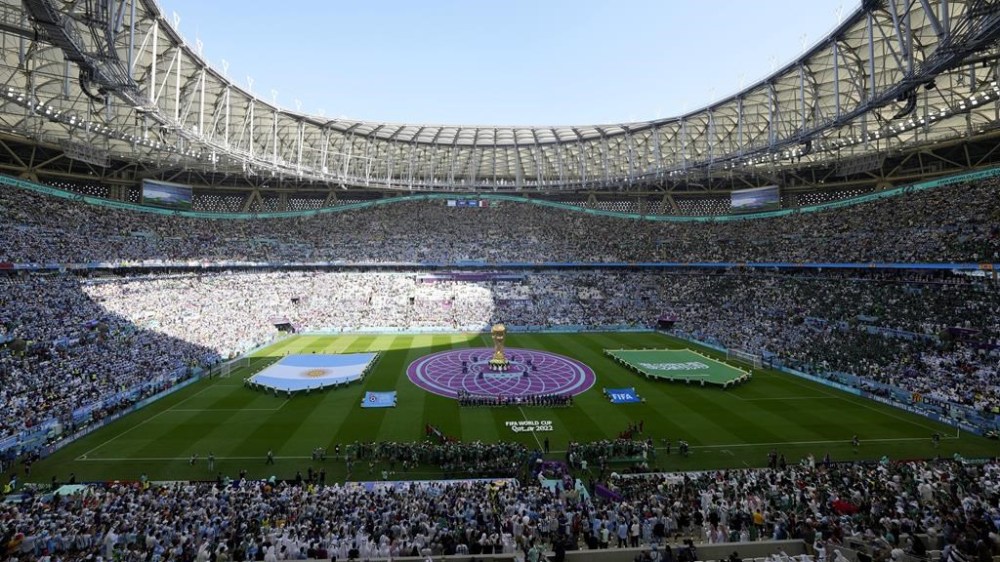
ZURICH (AP) — FIFA made false claims about last year’s World Cup in Qatar being carbon neutral, an advertising regulator in Switzerland said Wednesday.
FIFA was “not able to provide proof that the claims were accurate,” the federally recognized Swiss Commission for Fairness said in its judgment into complaints filed from five countries.
The commission said it “advised FIFA to refrain from making unsubstantiated claims in the future. Particularly the claim that the 2022 FIFA World Cup in Qatar was climate- or carbon-neutral.”
FIFA said in a statement it would analyze the recommendations and had the right of appeal. The ruling is not legally binding.
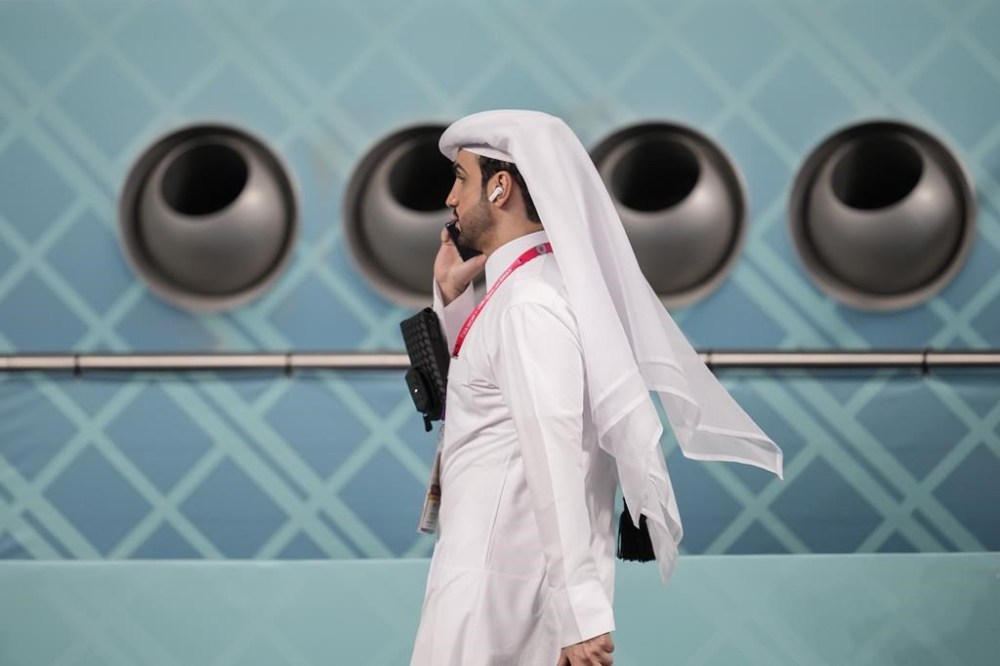
Qatar spent more than $200 billion on a decade-long construction program of mostly air-conditioned projects to prepare for hosting the soccer tournament in the gas-rich emirate. It relied on using hundreds of thousands of migrant laborers working in widely criticized conditions.
Seven of the eight stadiums used — including one with a facade of shipping containers later to be dismantled — were built in and around Doha. A new city, Lusail, was constructed, including the stadium that staged the World Cup final.
Environmental groups in Belgium, Britain, France, the Netherlands and Switzerland filed complaints about FIFA’s claims of a carbon-neutral tournament to the Swiss advertising regulator.
The Swiss commission in FIFA’s home city of Zurich evaluated claims that 3.63 million metric tons of carbon dioxide had been compensated for and all tournament-related emissions would eventually be offset.
FIFA had not proven the offsets “and did not set out a plan to define how it will further offset emissions,” the ruling said.
“It was unclear to the (regulator) whether the promised level of (carbon dioxide) compensation was realistic at all,” it said.
FIFA acknowledged in a statement that “climate change is one of the most pressing challenges of our time.”
“FIFA is also fully aware of the impacts that mega-events have on the economy, the natural environment and on people and communities, and has been making substantial efforts to tackle those impacts and, at the same time, to use opportunities to maximize the positive effects of its most iconic tournament,” the soccer body said.
The 2026 World Cup will be staged in 16 cities in the United States, Canada and Mexico with 48 teams instead of 32. They will play 104 games instead of 64, though in stadiums already existing.
Qatar also will host the Asian Cup next year, with 24 teams playing the Jan. 12-Feb. 10 tournament in eight stadiums, including six of the World Cup venues.
___
More AP soccer: https://apnews.com/hub/soccer and https://twitter.com/AP_Sports