
P.E.I. piping plover numbers see a tiny bump this year from effects of Fiona
Advertisement
Read this article for free:
or
Already have an account? Log in here »
We need your support!
Local journalism needs your support!
As we navigate through unprecedented times, our journalists are working harder than ever to bring you the latest local updates to keep you safe and informed.
Now, more than ever, we need your support.
Starting at $15.99 plus taxes every four weeks you can access your Brandon Sun online and full access to all content as it appears on our website.
Subscribe Nowor call circulation directly at (204) 727-0527.
Your pledge helps to ensure we provide the news that matters most to your community!
To continue reading, please subscribe:
Add Brandon Sun access to your Free Press subscription for only an additional
$1 for the first 4 weeks*
- Enjoy unlimited reading on brandonsun.com
- Read the Brandon Sun E-Edition, our digital replica newspaper
*Your next Free Press subscription payment will increase by $1.00 and you will be charged $20.95 plus GST for four weeks. After four weeks, your payment will increase to $24.95 plus GST every four weeks.
Read unlimited articles for free today:
or
Already have an account? Log in here »
Hey there, time traveller!
This article was published 10/10/2023 (1139 days ago), so information in it may no longer be current.
Post-tropical storm Fiona left behind a trail of destruction and crumbling shorelines on Prince Edward Island, but the cataclysmic tempest seems to have been a big help to a tiny bird, the piping plover.
Lily McLaine, a spokeswoman for Parks Canada, said the number of piping plover chicks has seen a small increase this year.
There were 17 chicks born from 10 breeding pairs on the shores of P.E.I. National Park this year, she said.
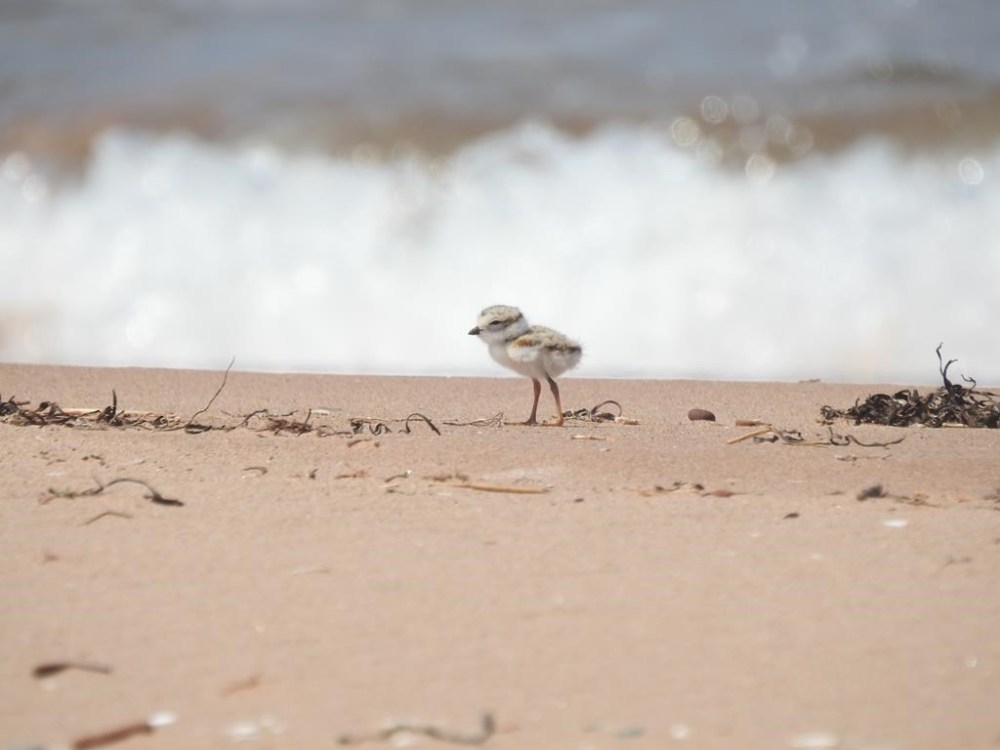
Parks Canada is cautiously optimistic because the birth rate for the birds is slightly above target, with numbers slowly increasing over the last three years after a long period of decline.
The piping plover is listed as endangered in Canada under the Species at Risk Act. The birds arrive in Canada to nest from the end of March to early May and fly south by early September.
McLaine said a number of factors could have helped these tiny birds bounce back.
While some of the beaches traditionally used by piping plovers as habitat were destroyed as Fiona swept through Prince Edward Island last year, she said other areas opened up because of shifting woody debris, stones and shells, creating suitable pockets for the birds to nest.
“They use that for camouflage, especially for their nests. The eggs look like the habitat — the shells, the rocks. That’s kind of how they protect their nest. They try to keep them camouflaged.”
She described the birds as “dirty cotton balls with toothpick legs.”
“The very small chicks … they are so, so small. It will blow your mind,” she said, laughing.
Although the birds have seen a slight bump in numbers this year, they face ongoing threats, especially climate change, said McLaine.
“They have to fly north and south annually, so they have more habitat that is at risk and more stop oversights that could be at risk of coastal erosion, food reduction, more risks of predators all across the board.”
Nick Lund, a network manager for U.S. wildlife conservation organization Maine Audubon, said climate change is one of the biggest threats to these birds because of the narrow band of habitat they call home.
There are thousands of kilometres of ocean on one side and thousands of kilometres of land on the other side, with a couple hundred yards of beach in between where the piping plovers can nest, he said.
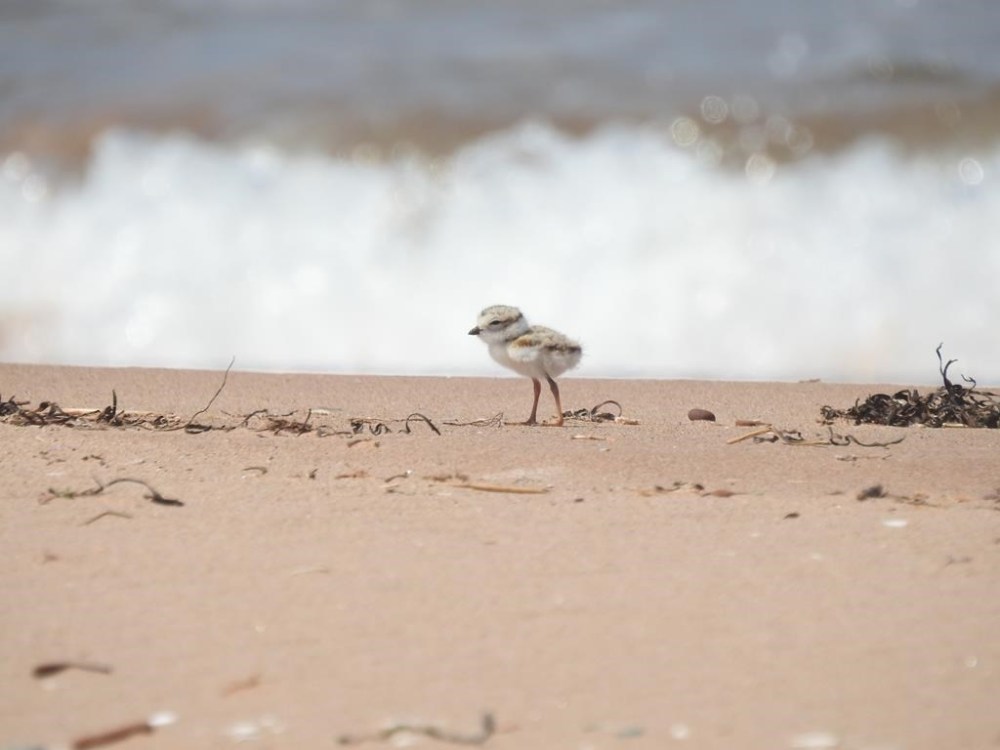
“They’re right on the frontlines of the battle of our climate change, as the seas rise, and as storms get stronger, the beach is the first thing that’s hit,” he said.
“These birds, which are some of the only birds to choose to nest right on the beach there, they are the first ones in the firing line.”
Climate change has also brought about an increase in saltwater flooding on the beaches, which in turn could wash away nests and the birds’ ability to find food, McLaine said.
“There’s a lot of parameters that are in play for why they’re doing well and not well, year to year.”
Parks Canada will be keeping a close watch on the birds next year and like this year, will close areas of the National Park where the birds are nesting, ask for dogs to be on leashes and request people to respect the barricades and closure signs, McLaine said.
“That protects the piping plovers. It reduces their stress from these domestic animals on the beaches,” she said. “The piping plovers appreciate it.”
This report by The Canadian Press was first published Oct. 10, 2023.