
‘A tragedy’: Judge urges northern Manitoba sobering shelter after police cell death
Advertisement
Read this article for free:
or
Already have an account? Log in here »
We need your support!
Local journalism needs your support!
As we navigate through unprecedented times, our journalists are working harder than ever to bring you the latest local updates to keep you safe and informed.
Now, more than ever, we need your support.
Starting at $15.99 plus taxes every four weeks you can access your Brandon Sun online and full access to all content as it appears on our website.
Subscribe Nowor call circulation directly at (204) 727-0527.
Your pledge helps to ensure we provide the news that matters most to your community!
To continue reading, please subscribe:
Add Brandon Sun access to your Free Press subscription for only an additional
$1 for the first 4 weeks*
- Enjoy unlimited reading on brandonsun.com
- Read the Brandon Sun E-Edition, our digital replica newspaper
*Your next Free Press subscription payment will increase by $1.00 and you will be charged $20.95 plus GST for four weeks. After four weeks, your payment will increase to $24.95 plus GST every four weeks.
Read unlimited articles for free today:
or
Already have an account? Log in here »
Hey there, time traveller!
This article was published 07/11/2024 (651 days ago), so information in it may no longer be current.
THE PAS, Man. – A judge is urging the Manitoba government to look at establishing a safe sobering centre in a northern community to prevent in-custody deaths of people detained due to intoxication.
The recommendation follows an inquest into the 2019 death of John Ettawakapow in the town of The Pas.
The inquest heard RCMP arrested the 54-year-old on Oct. 5, 2019, on accusations he was causing a disturbance while intoxicated. He was detained in a police cell with two others when one cellmate inadvertently placed his leg and foot on Ettawakapow’s neck and face.
“Mr. Ettawakapow died in police care from a preventable cause. He needed help but he did not receive it,” Senior Judge Brian Colli said in the report released Thursday.
Colli has called for the Justice Department to work with local First Nations, community organizations in The Pas and the Addictions Foundation of Manitoba on establishing an alternative form of care for intoxicated people who do not pose a threat to themselves or others.
During the inquest, the executive director of Winnipeg’s Main Street Project spoke about a program that provides safe lodgings for intoxicated people detained by police. The protective care program is considered a safer option than spending time in a police cell.
“Such a program would, in my estimate, if well designed, eliminate the type of death that Mr. Ettawakapow suffered and would also free up police resources to deal with other threats to community safety,” Colli wrote in his report.
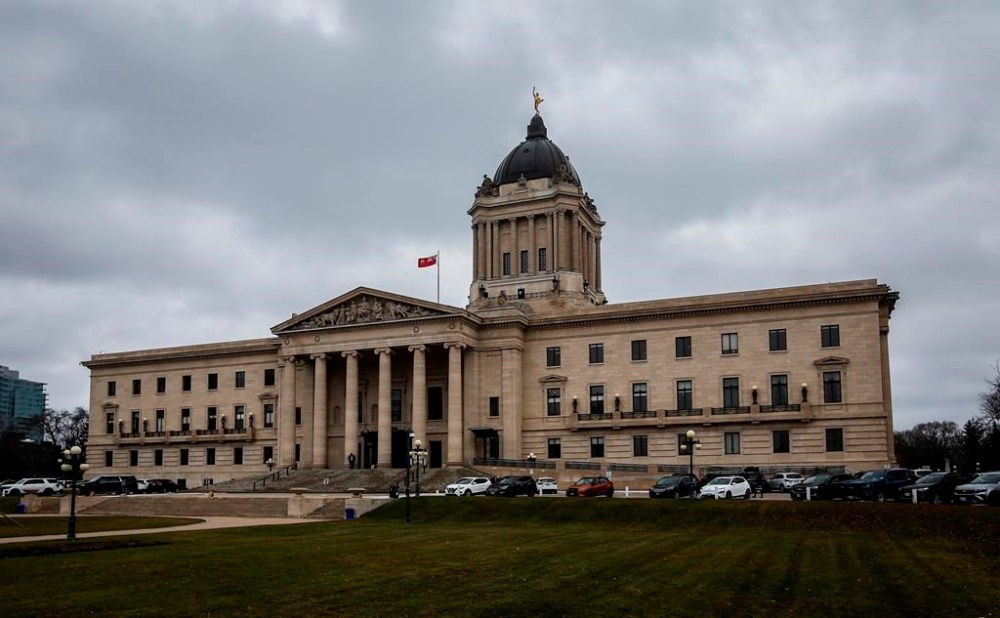
Justice Minister Matt Wiebe said the province has been working with local organizations on a community and safety well-being plan.
“There is a lot of potential to improve, not just in The Pas but across the province,” he said Thursday. “As each community comes forward with their specific plans and their recommendations, this is where I think there will be opportunities for us to act as a government to support the specific needs that they have.”
Ettawakapow was a First Nations man from nearby Moose Lake. He had been a longtime member of the homeless community in The Pas.
Ettawakapow’s family told the inquest he was a good man who was more than his addiction, and that he was loved.
Police officers, including those who were present the night of his death, testified Ettawakapow was a joy to be around. Some considered him a friend, with one officer telling the inquest he would sometimes buy the man coffee and food.
Ettawakapow was placed in a cell shortly after 7 p.m. the night police picked him up.
Surveillance video presented during the inquest shows Ettawakapow was placed on the ground. About an hour later, while Ettawakapow was on his back, a cellmate placed his leg over the man’s neck and lower face.
The video shows Ettawakapow tried to move the man’s leg off of him without success. The last time Ettawakapow was seen moving in the video was around 8:20 p.m.
The inquest heard policy dictates guards must physically check on prisoners at least once every 15 minutes by opening a slot in the cell’s door and looking in. Guards are expected to use the monitors in between physical checks.
The report said only one physical check was done before an officer discovered Ettawakapow in distress about five hours later.
“If police policy had been followed, it is likely that Mr. Ettawakapow would not have died that night,” wrote Colli.
The inquest heard both police and emergency medical personnel made persistent efforts to revive him before he was declared dead.
The chief medical examiner testified three factors contributed to Ettawakapow’s death: alcohol toxicity, pre-existing heart disease and the placement of the leg across his face and neck.
Colli also called for the Health Department to work with RCMP to implement a program that would provide officers with quick access to medical personnel who could determine a person’s level of intoxication and whether they should be lodged in a police cell.
Police policy does not require medical intervention for intoxication. Instead, the arresting officer is to determine whether medical intervention is needed.
The report said if medical intervention had been sought and personnel became aware of Ettawakapow’s blood alcohol level, they would have monitored him to ensure he did not stop breathing.
“(Ettawakapow’s) death was a tragedy … we need to make sure, as best we can, that help does come in time for others who find themselves in need,” said Colli.
This report by The Canadian Press was first published Nov. 7, 2024.
— By Brittany Hobson in Winnipeg with files from Steve Lambert