
Making lawyers swear Oath of Allegiance to monarch unconstitutional: Alberta court
Advertisement
Read this article for free:
or
Already have an account? Log in here »
We need your support!
Local journalism needs your support!
As we navigate through unprecedented times, our journalists are working harder than ever to bring you the latest local updates to keep you safe and informed.
Now, more than ever, we need your support.
Starting at $15.99 plus taxes every four weeks you can access your Brandon Sun online and full access to all content as it appears on our website.
Subscribe Nowor call circulation directly at (204) 727-0527.
Your pledge helps to ensure we provide the news that matters most to your community!
To continue reading, please subscribe:
Add Brandon Sun access to your Free Press subscription for only an additional
$1 for the first 4 weeks*
*Your next subscription payment will increase by $1.00 and you will be charged $20.00 plus GST for four weeks. After four weeks, your payment will increase to $24.00 plus GST every four weeks.
Read unlimited articles for free today:
or
Already have an account? Log in here »
EDMONTON – Alberta’s top court has ruled that requiring prospective lawyers to swear the Oath of Allegiance to the reigning monarch is unconstitutional and infringes on religious freedom.
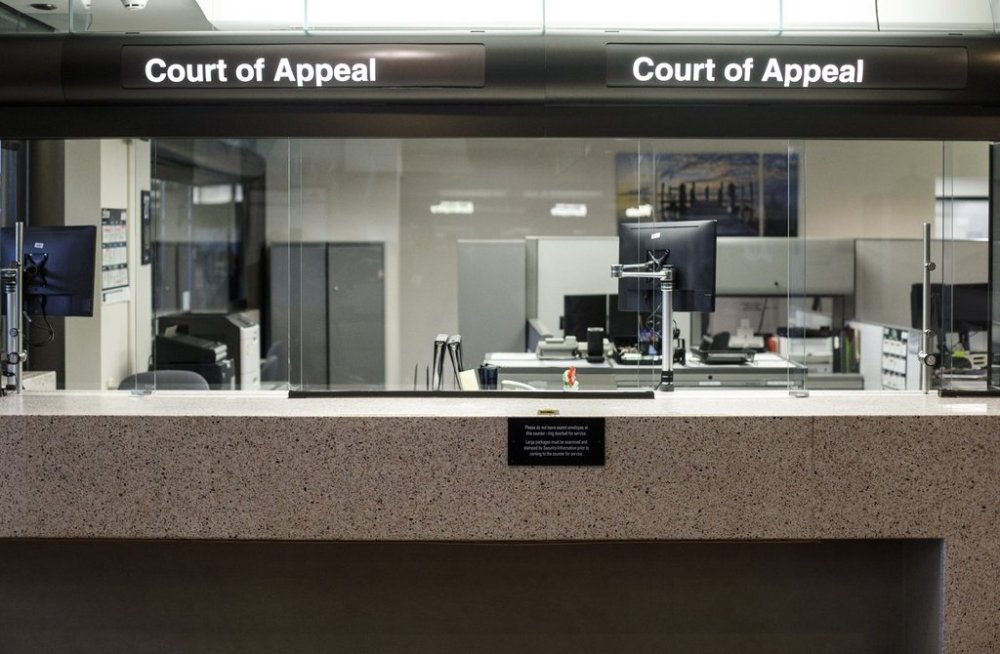
The Court of Appeal of Alberta made the decision Tuesday in Prabjot Wirring’s years-long case against the province and Law Society of Alberta.
The court said the legally-required oath forced Wirring to choose between practising law in Alberta and his faith as an amritdhari Sikh.
The decision hinged on whether a judge previously erred in considering whether the law society’s requirement to swear Canada’s official oath to “bear true allegiance” to the reigning monarch, their heirs and successors infringes the Charter right to religious freedom.
The court said Wirring had sworn an allegiance to Akal Purakh, or the Creator in the Sikh faith, and couldn’t make an allegiance or devotion to any other figure or entity, including in the Oath of Allegiance to become a lawyer.
Wirring challenged the oath in June 2022. More than a year after hearing arguments in October 2024, the Appeal Court’s three-judge panel declared the oath requirement unconstitutional and of no force or effect, meaning it is no longer required in Alberta.
“This case shows the real possibility that candidates with religious objections to the Oath of Allegiance may choose not to become members of the Alberta bar diminishing the bar’s representativeness,” the decision said.
The Alberta government has 60 days to ask the Supreme Court of Canada to hear the case and challenge the appeal court’s ruling.
Heather Jenkins, a spokesperson for the Alberta justice minister’s office, said in a statement that the government is reviewing the decision and won’t comment as it’s still before the courts.
The ruling doesn’t affect two other oaths required to enrol in the law society, neither of which use the term “allegiance.”
The Appeal Court found the previous judge erred in deciding that Wirring could swear the oath, because it was an allegiance to the abstract ideal of the rule of law, not an entity like the queen. (At the time, Elizabeth was the reigning monarch).
However, the Appeal Court ruled Wirring couldn’t swear an allegiance to anything other than the Akal Purakh.
Wirring eventually became a member of the Law Society of Alberta in 2023, when he transferred from Saskatchewan through a new interprovincial licensing process, introduced several months after he challenged the Oath of Allegiance.
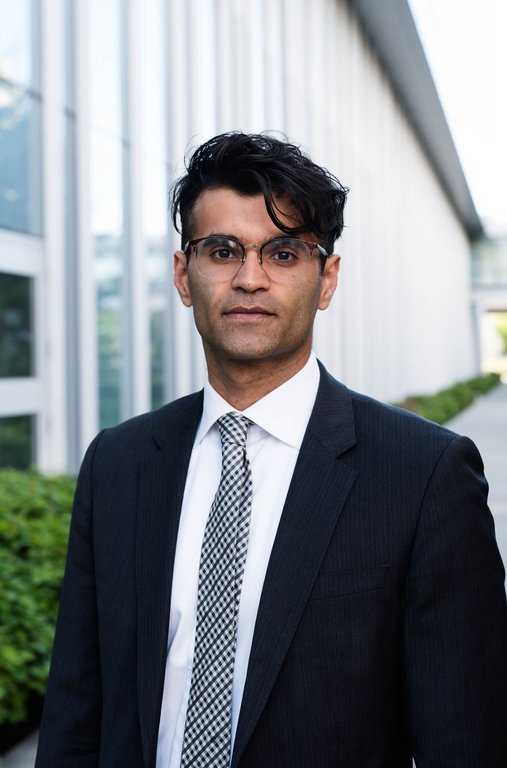
In essence, the decision has no effect on his ability to practise law and he’s actively practising now.
However, the court said it found it relevant to settle the issue as a matter of public importance, because those who are not law society members, including articling students, may not have the money to argue a Charter challenge in court.
“In my case, there’s a really narrowly defined specific religious reason why I wasn’t able to swear the Oath of Allegiance. But I know for a lot of other folks, there’s a lot of strongly held ethical reasons that they were hesitant or had problems with the Oath of Allegiance as well,” Wirring said in an interview.
He said he’s heard from Sikh lawyers, Indigenous students and others from racialized backgrounds about their negative experiences having to swear the oath.
The Appeal Court says Alberta could remedy the issue by: making the oath optional, as it is in Nova Scotia, New Brunswick, Yukon and Ontario; remove the requirement, as has been done in B.C., Prince Edward Island and Saskatchewan; or revise the oath’s phrasing.
This report by The Canadian Press was first published Dec. 17, 2025.
— By Dayne Patterson in Calgary