
Tumbler Ridge needs mental health help beyond immediate shooting aftermath: psychologist
Advertisement
Read this article for free:
or
Already have an account? Log in here »
We need your support!
Local journalism needs your support!
As we navigate through unprecedented times, our journalists are working harder than ever to bring you the latest local updates to keep you safe and informed.
Now, more than ever, we need your support.
Starting at $15.99 plus taxes every four weeks you can access your Brandon Sun online and full access to all content as it appears on our website.
Subscribe Nowor call circulation directly at (204) 727-0527.
Your pledge helps to ensure we provide the news that matters most to your community!
To continue reading, please subscribe:
Add Brandon Sun access to your Free Press subscription for only an additional
$1 for the first 4 weeks*
*Your next subscription payment will increase by $1.00 and you will be charged $20.00 plus GST for four weeks. After four weeks, your payment will increase to $24.00 plus GST every four weeks.
Read unlimited articles for free today:
or
Already have an account? Log in here »
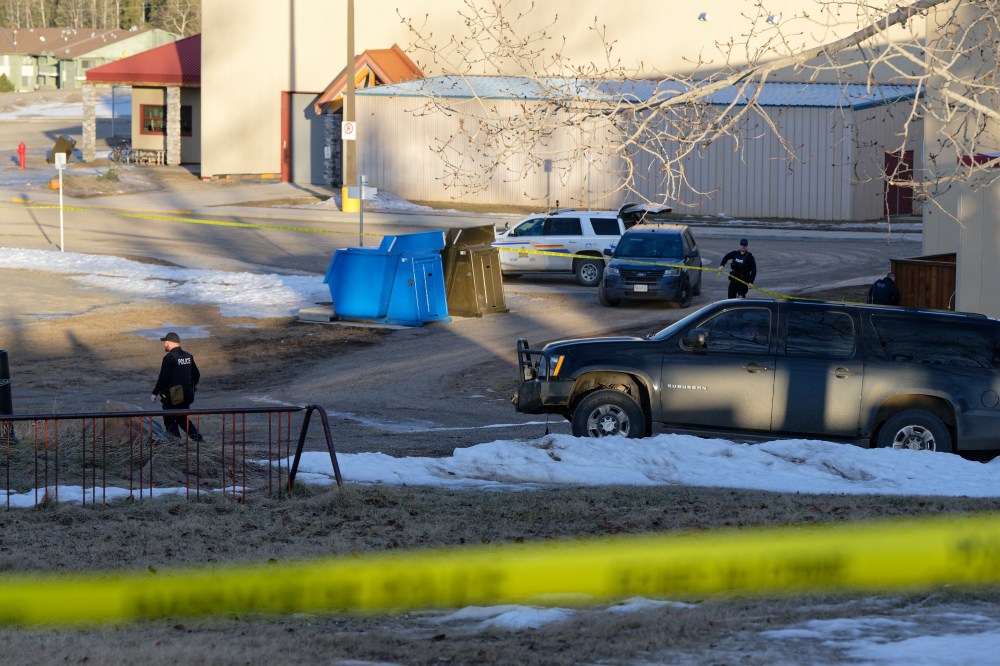
TORONTO – As the federal and provincial governments pledge support for the people of Tumbler Ridge, B.C., a psychologist specializing in trauma says mental health services will be needed beyond the immediate aftermath of Tuesday’s mass shooting.
McMaster University psychologist Dr. Margaret McKinnon says mental health supporters are often brought into communities after tragedies but then leave, leading to a sense of abandonment on top of trauma.
McKinnon says students at the local school targeted in the shooting, parents, first responders and other members of the small community may need long-term psychological support.
She says the most common reactions after mass shootings are fear, anxiety, depression and post-traumatic stress symptoms.
Those can include nightmares or reliving the event, as well as an “overwhelming sense of guilt” about what they could or couldn’t have done during the shooting.
McKinnon says post-traumatic stress can also manifest in physical ways, including an upset stomach or other gastrointestinal problems.
She says the symptoms may resolve for many people over time, but at least a quarter of those affected will likely experience them for a year or more.
This report by The Canadian Press was first published Feb. 11, 2026.
Canadian Press health coverage receives support through a partnership with the Canadian Medical Association. CP is solely responsible for this content.