
Doctors speak out on Saskatchewan’s forced drug treatment legislation
Advertisement
Read this article for free:
or
Already have an account? Log in here »
We need your support!
Local journalism needs your support!
As we navigate through unprecedented times, our journalists are working harder than ever to bring you the latest local updates to keep you safe and informed.
Now, more than ever, we need your support.
Starting at $15.99 plus taxes every four weeks you can access your Brandon Sun online and full access to all content as it appears on our website.
Subscribe Nowor call circulation directly at (204) 727-0527.
Your pledge helps to ensure we provide the news that matters most to your community!
To continue reading, please subscribe:
Add Brandon Sun access to your Free Press subscription for only an additional
$1 for the first 4 weeks*
*Your next subscription payment will increase by $1.00 and you will be charged $20.00 plus GST for four weeks. After four weeks, your payment will increase to $24.00 plus GST every four weeks.
Read unlimited articles for free today:
or
Already have an account? Log in here »
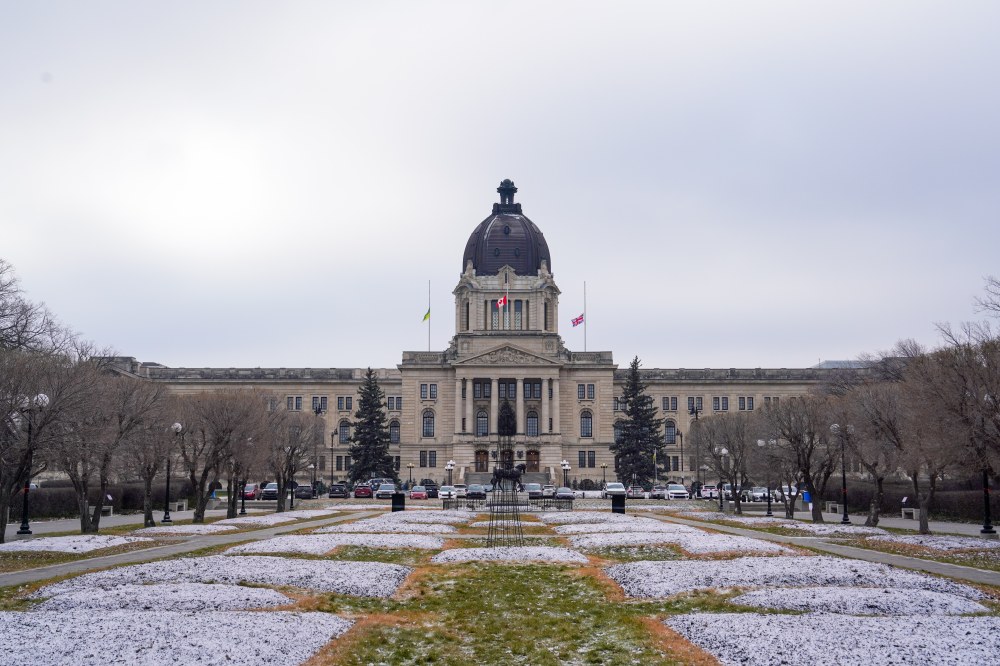
REGINA – Groups that represent doctors in Saskatchewan are speaking out on a bill that proposes to force treatment on those battling drug addictions.
The Saskatchewan Medical Association and the college that regulates doctors say the province should strengthen existing treatment programs before implementing involuntary care.
They say they’re concerned emergency rooms could become intake points for addictions patients, resulting in more overcrowding, delayed care and strain on staff.
The organizations also say it’s not clear how cases of those admitted to involuntary care would be handled.
The legislation is before Saskatchewan’s assembly, with the province looking to pass it later this spring.
The bill says law enforcement, medical professionals or family members can refer a person to an addictions tribunal, which would then decide if forced treatment is necessary and for how long.
“As physicians, we support the government’s goal of saving lives. We see first-hand what patients and families are facing,” Dr. Pamela Arnold, president of the Saskatchewan Medical Association, said in a statement Wednesday.
“But to protect patients, we must strengthen voluntary, culturally safe treatment first and ensure any involuntary processes are safe, ethical and grounded in evidence.”
This report by The Canadian Press was first published April 1, 2026.