
Owner says Gary the African serval will suffer under B.C. exotic cat ban
Advertisement
Read this article for free:
or
Already have an account? Log in here »
We need your support!
Local journalism needs your support!
As we navigate through unprecedented times, our journalists are working harder than ever to bring you the latest local updates to keep you safe and informed.
Now, more than ever, we need your support.
Starting at $15.99 plus taxes every four weeks you can access your Brandon Sun online and full access to all content as it appears on our website.
Subscribe Nowor call circulation directly at (204) 727-0527.
Your pledge helps to ensure we provide the news that matters most to your community!
To continue reading, please subscribe:
Add Brandon Sun access to your Free Press subscription for only an additional
$1 for the first 4 weeks*
- Enjoy unlimited reading on brandonsun.com
- Read the Brandon Sun E-Edition, our digital replica newspaper
*Your next Free Press subscription payment will increase by $1.00 and you will be charged $20.95 plus GST for four weeks. After four weeks, your payment will increase to $24.95 plus GST every four weeks.
Read unlimited articles for free today:
or
Already have an account? Log in here »
LANGLEY – As he curls up on a couch beside his owner, it’s easy to forget Gary the cat is in fact Gary the serval, a wild predator native to Africa.
The 10-year-old serval was raised as a pet by a couple who later divorced, with Gary ending up at Wild Education, an exotic wildlife rescue in Langley, B.C.
Owner Mike Hopcraft says B.C.’s updated exotic cat ban that came into effect on Friday places new rules on permits and enclosures that could negatively impact Gary’s quality of life at the rescue facility.
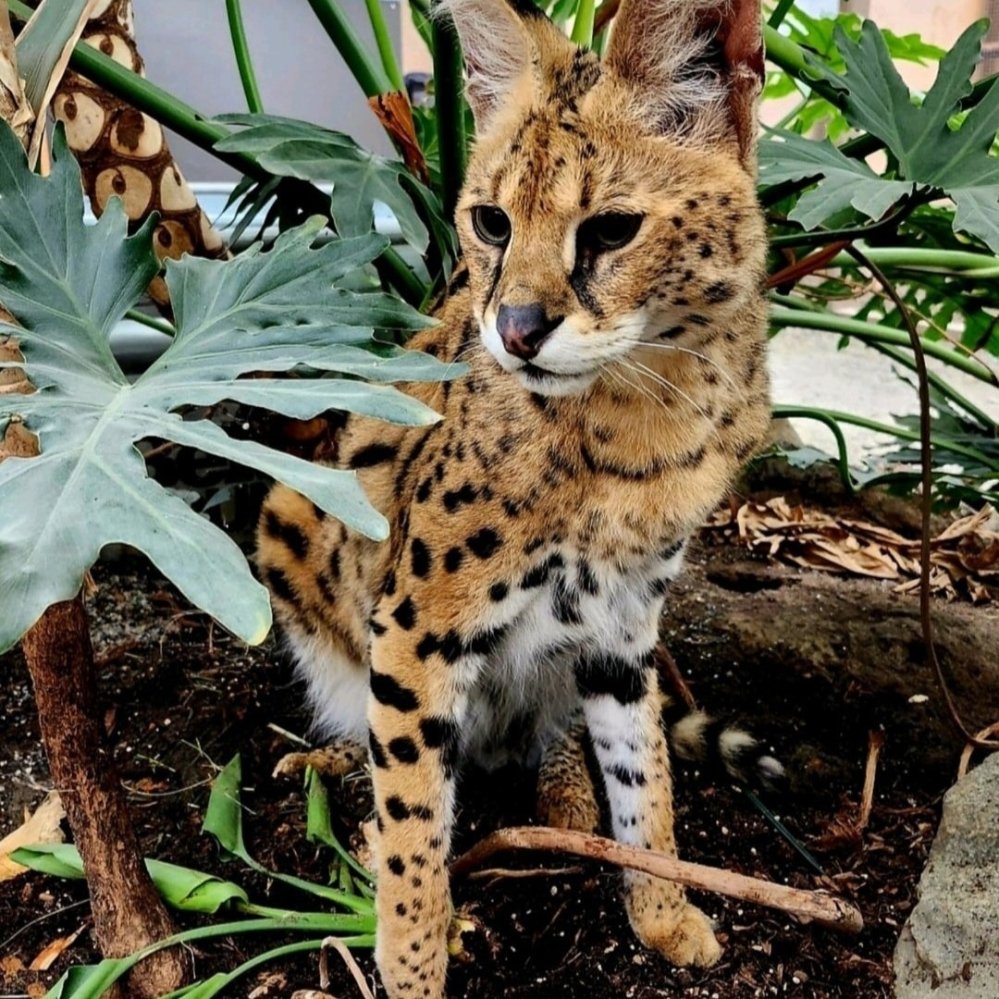
The new rules ban breeding and ownership of a new range of wild cat species, including servals.
The Ministry of Water, Land, and Resource Stewardship says people who already own the cats can keep them for life, but they must apply for a permit and agree to keep the animals in enclosures and restrict their contact with the public.
Hopcraft said his rescue wasn’t set up to receive Gary, but they took him in because there was nowhere else for him to go.
“Gary isn’t quite wild enough to be in a zoo,” Hopcraft said. “But he’s also not really a domestic house cat that just anybody can have.”
The BC SPCA said it welcomes the new provincial rules, which result from changes to Wildlife Act regulations.
“The ban is intended to ensure that no more exotic cats are brought into captivity and forced to live as pets where their needs cannot truly be met,” the society said in a news release Thursday.
Hopcraft said that while he agrees exotic cats shouldn’t be pets, the province should have consulted with owners instead of enacting a “blanket ban” that ignores the unique situation of rescue cats like Gary.
He said that because Gary lived his entire life as a free-roaming cat, living in an enclosure would reduce his quality of life.
He can no longer interact with the public, which Hopcraft said was an important part of his “enrichment.”
When Gary first came to the rescue, he lived in a cage, but Hopcraft said the animal became so stressed it chewed off its own tail.
Hopcraft said his rescue doesn’t have space for a new enclosure.
He said several zoos refused to take Gary because he was not considered “exotic” enough, and smaller rescues likely won’t have the required zoo accreditation, which can be expensive to acquire.
“If they can’t find a place for Gary to go, because there will not be any rescue that can legally take him in, Gary will get put down,” Hopcraft said.
This report by The Canadian Press was first published May 1, 2026.