
Hantavirus-stricken cruise ship docks in the Netherlands
Advertisement
Read this article for free:
or
Already have an account? Log in here »
We need your support!
Local journalism needs your support!
As we navigate through unprecedented times, our journalists are working harder than ever to bring you the latest local updates to keep you safe and informed.
Now, more than ever, we need your support.
Starting at $15.99 plus taxes every four weeks you can access your Brandon Sun online and full access to all content as it appears on our website.
Subscribe Nowor call circulation directly at (204) 727-0527.
Your pledge helps to ensure we provide the news that matters most to your community!
To continue reading, please subscribe:
Add Brandon Sun access to your Free Press subscription for only an additional
$1 for the first 4 weeks*
- Enjoy unlimited reading on brandonsun.com
- Read the Brandon Sun E-Edition, our digital replica newspaper
*Your next Free Press subscription payment will increase by $1.00 and you will be charged $20.95 plus GST for four weeks. After four weeks, your payment will increase to $24.95 plus GST every four weeks.
Read unlimited articles for free today:
or
Already have an account? Log in here »
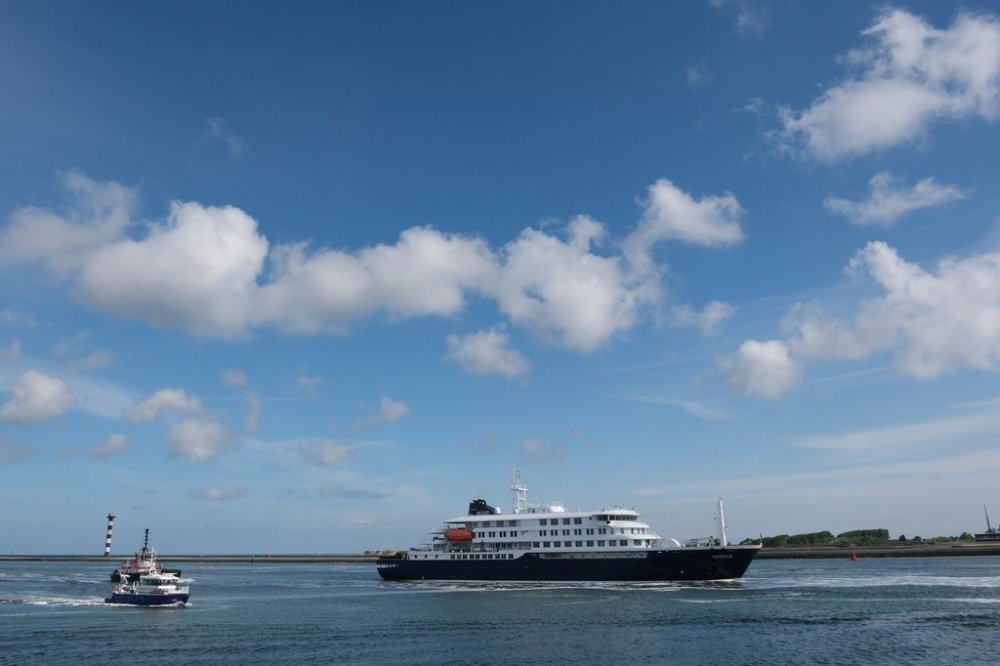
ROTTERDAM, Netherlands (AP) — The cruise ship hit by a deadly hantavirus outbreak has docked at the Dutch port of Rotterdam for disinfection, wrapping up a troubled journey that put international health authorities on alert.
The MV Hondius was carrying 25 crew members and two medical personnel as it reached Rotterdam on Monday morning, after all the passengers disembarked elsewhere.
An Associated Press journalist saw occupants wearing masks on the deck as the boat was escorted through the port by a tug boat and a Dutch police boat. Authorities say that the crew will enter immediate quarantine.
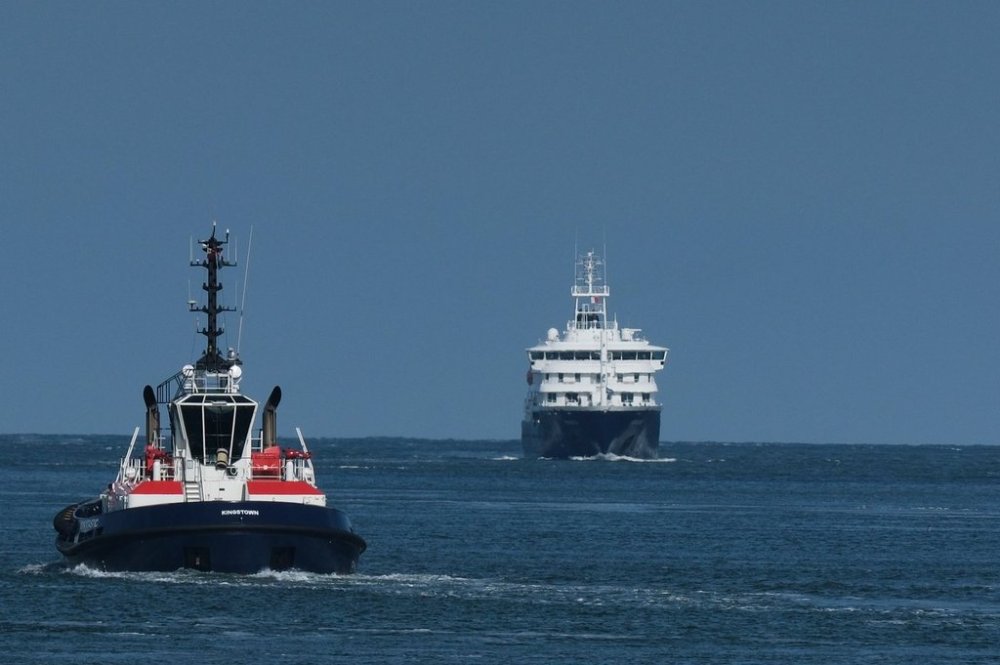
During the outbreak, three passengers who had been aboard the ship died, including a Dutch couple who health officials believe were the first exposed to the virus while visiting South America.
The MV Hondius has spent the past six days sailing from the Canary Islands, where the remaining passengers were escorted off the vessel by personnel in full-body protective gear and boarded flights to more than 20 countries to enter quarantine.
The outbreak on the ship has reached at least 11 cases, nine of which have been confirmed. Three passengers have died, including a Dutch couple who health officials believe were the first exposed to the virus while visiting South America.
The Public Health Agency of Canada said one of the four Canadians in isolation after leaving the ship had tested positive Sunday and it would share information on the case with the World Health Organization.
The vessel made the journey from Tenerife up the coast of Africa and Europe with 25 crew members and two medical personnel. According to the ship operator Oceanwide Expeditions, no one on board is experiencing any symptoms.
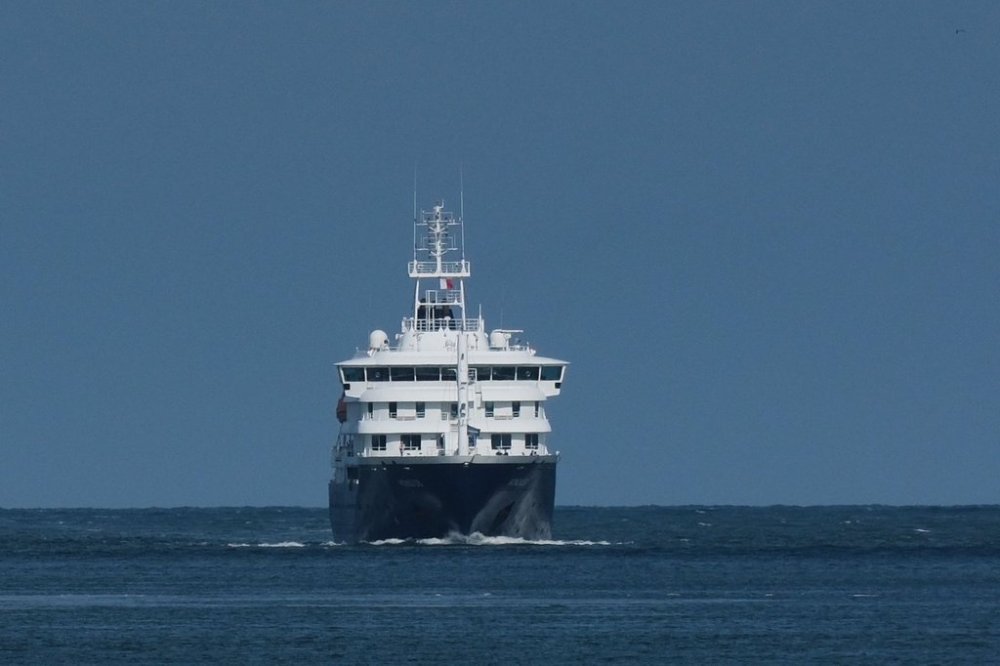
Crew members who are unable to return home will be quarantined in the Netherlands, the Dutch health ministry said last week. Some two dozen passengers and crew are already in quarantine in the Netherlands after arriving in the country on a series of flights over the previous two weeks.
Eighteen Americans are currently under observation at specialized healthcare facilities in the United States designed to treat people with dangerous infectious diseases.
After everyone on board has disembarked, the ship will be decontaminated based on Dutch public health guidelines. “Personal protective measures are being taken to ensure that the cleaners do not need to quarantine after the cleaning,” the health ministry said in a letter to the Dutch parliament last week.
Public health officials will inspect the vessel before it is allowed to sail again. The hantavirus outbreak aboard the MV Hondius is the first known case on a cruise ship.
The Dutch company that owns the cruise ship said it doesn’t foresee any changes to its operations. It has an Arctic cruise setting sail from Keflavik, Iceland, on May 29.
France’s Pasteur Institute said on Saturday it has fully sequenced the Andes virus detected in a French passenger from the MV Hondius cruise ship and found that it matched viruses already known in South America, with no evidence so far of new characteristics that would make it more transmissible or more dangerous.