
Manitoba opens province’s first supervised consumption site
Advertisement
Read this article for free:
or
Already have an account? Log in here »
We need your support!
Local journalism needs your support!
As we navigate through unprecedented times, our journalists are working harder than ever to bring you the latest local updates to keep you safe and informed.
Now, more than ever, we need your support.
Starting at $15.99 plus taxes every four weeks you can access your Brandon Sun online and full access to all content as it appears on our website.
Subscribe Nowor call circulation directly at (204) 727-0527.
Your pledge helps to ensure we provide the news that matters most to your community!
To continue reading, please subscribe:
Add Brandon Sun access to your Free Press subscription for only an additional
$1 for the first 4 weeks*
- Enjoy unlimited reading on brandonsun.com
- Read the Brandon Sun E-Edition, our digital replica newspaper
*Your next Free Press subscription payment will increase by $1.00 and you will be charged $20.95 plus GST for four weeks. After four weeks, your payment will increase to $24.95 plus GST every four weeks.
Read unlimited articles for free today:
or
Already have an account? Log in here »
WINNIPEG – Manitoba’s addictions minister says it’s a special but bittersweet day as the province opens its first supervised consumption site.
Bernadette Smith said Tuesday that the site in central Winnipeg is long overdue and will help get people the care they need.
“We can’t treat people who aren’t alive,” said Smith.
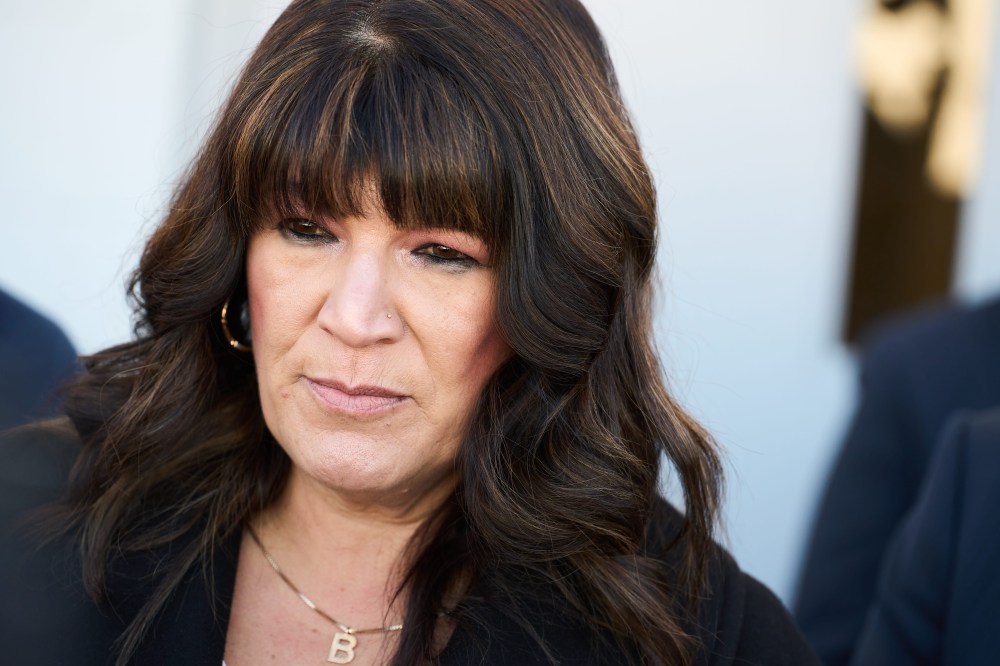
“So this is a place for folks to go to get supervised with their substances, but also more importantly, to get connected with supports and services so they can get on to a path of recovery.”
The government said the site had a limited opening starting in June but is now fully staffed and operational, at least for the temporary space at the site.
There are eight staff, including two nurses along with clinicians and mentors, said Smith at a press availability from her office.
There are also wayfinders who will help people move on once they feel they aren’t a danger to themselves or others.
The province had initially said it was aiming to open a site in 2025, but pushback on the first chosen location and other complications created delays. Smith wouldn’t provide an expected timeline for when the permanent space will be done.
The site doesn’t provide drugs, but is meant as a place where the potential harms of using them can be reduced while also connecting people to support services.
Aboriginal Health and Wellness is running the site in partnership with the province.
The organization said in a statement that they are operating it in a culturally safe, holistic model of care that honours the dignity of their relatives while maintaining accountability to their neighbours.
The building is mostly surrounded by auto repair shops, but it’s also a block from a playground and across from a banquet hall.
It’s been criticized by some business owners and residents concerned about security, while the Opposition Progressive Conservatives have said the government should focus on treatment capacity.
“We don’t have enough recovery or addiction treatment centres here in Manitoba,” said Jeff Bereza, deputy leader of the PCs.
He said the resources going to the supervised consumption site could have better gone to treatment because the delays are too long.
“If a person comes in there and takes a pamphlet … and they say that they want to get into treatment and recovery, how long is that going to take?”
Smith said the NDP government has added 1,200 new addiction treatment spaces, as well as opened a rapid access to addictions medicine clinic.
She said the day was bittersweet because she’s lost loved ones to the overdose crisis, and met with so many families that have also gone through loss or are supporting people through addiction.
“We have a lot of stigma around people who use drugs, and we really need to embrace and start working with them so that they can see themselves coming out of this, going into recovery, and really having hope.”
This report by The Canadian Press was first published Aug. 11, 2026.