Karina rapidly becomes a major hurricane in the Pacific far from land, forecasters say
Advertisement
Read this article for free:
or
Already have an account? Log in here »
We need your support!
Local journalism needs your support!
As we navigate through unprecedented times, our journalists are working harder than ever to bring you the latest local updates to keep you safe and informed.
Now, more than ever, we need your support.
Starting at $15.99 plus taxes every four weeks you can access your Brandon Sun online and full access to all content as it appears on our website.
Subscribe Nowor call circulation directly at (204) 727-0527.
Your pledge helps to ensure we provide the news that matters most to your community!
To continue reading, please subscribe:
Add Brandon Sun access to your Free Press subscription for only an additional
$1 for the first 4 weeks*
- Enjoy unlimited reading on brandonsun.com
- Read the Brandon Sun E-Edition, our digital replica newspaper
*Your next Free Press subscription payment will increase by $1.00 and you will be charged $20.95 plus GST for four weeks. After four weeks, your payment will increase to $24.95 plus GST every four weeks.
Read unlimited articles for free today:
or
Already have an account? Log in here »
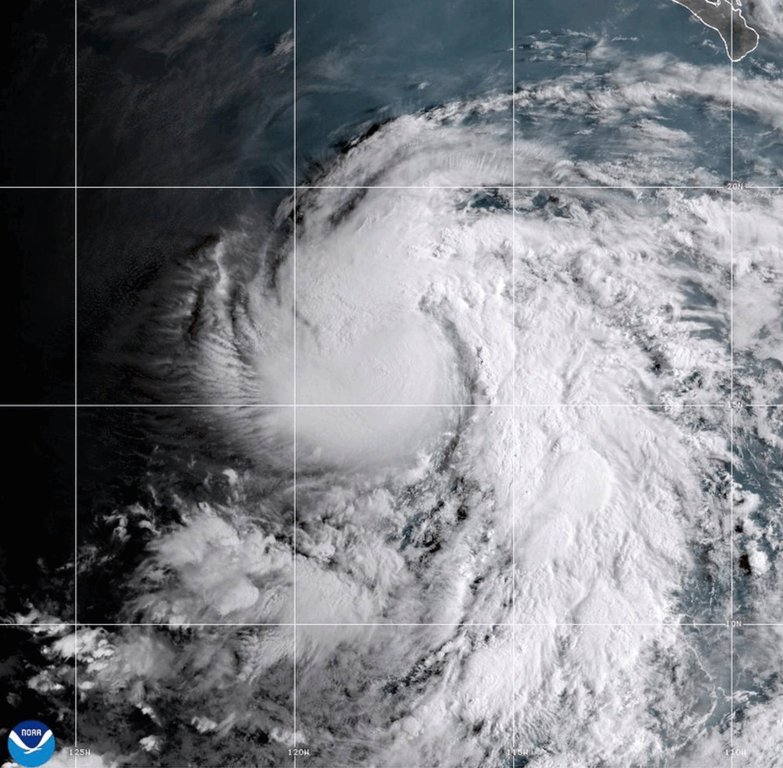
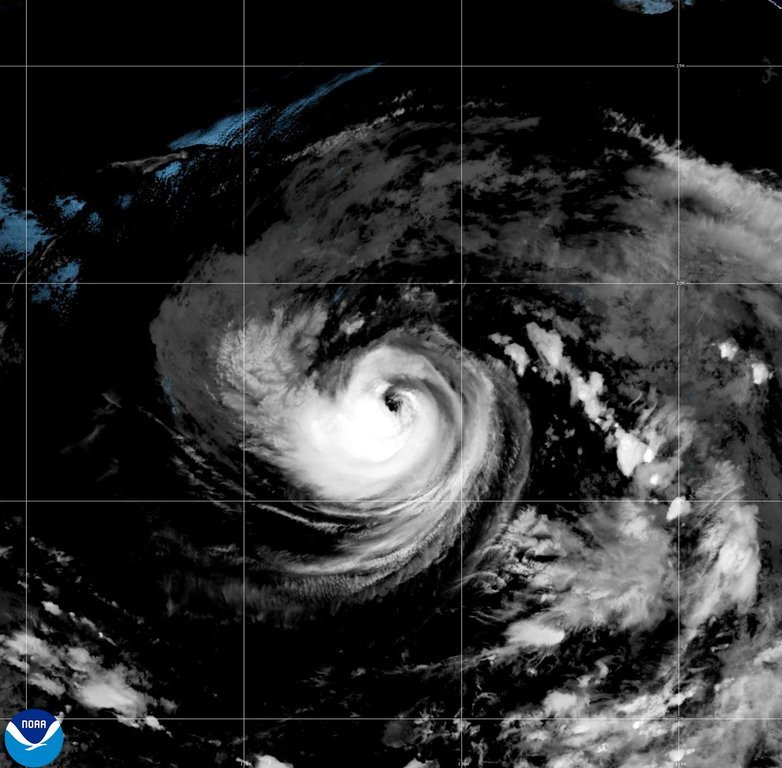
MIAMI (AP) — Hurricane Karina formed Sunday in the Pacific Ocean and swiftly intensified into a dangerous major storm within hours, fueled by warm waters far offshore where it poses no immediate threat to land.
Karina gained Category 1 hurricane status early Sunday with top sustained winds of 80 mph (130 kph) and then took mere hours to jump up to a dangerous Category 3 hurricane with maximum sustained winds of 125 mph (205 kph), the U.S. National Hurricane Center in Miami said.
A major hurricane is a Category 3 or greater with maximum sustained winds of at least 111 mph (178 kph). Meteorologists said some additional strengthening is possible over the next day or so.
On Sunday, Karina was located about 960 miles (1,545 kilometers) west-southwest of the southern tip of Mexico’s Baja California Peninsula and was moving west at 9 mph (15 kph). It was on a forecast path expected to take it farther out into the Pacific.
While Karina was expected to stay well away from land, swells from the storm were likely to cause dangerous surf and rip current conditions along stretches of coastline in southwest Mexico and the Baja California Peninsula, the hurricane center said. There are no coastal watches or warnings in effect.
Elsewhere in the Pacific, Tropical Storm Lowell was about 985 miles (1,585 kilometers) east-southeast of Hilo, Hawaii. The storm had maximum sustained winds of 50 mph (85 kph) and posed no immediate threat to land. Forecasters said Sunday that Lowell could become a hurricane by Monday night or Tuesday.