
Manitoba’s protective care centre mainly detaining people intoxicated by alcohol
Advertisement
Read this article for free:
or
Already have an account? Log in here »
We need your support!
Local journalism needs your support!
As we navigate through unprecedented times, our journalists are working harder than ever to bring you the latest local updates to keep you safe and informed.
Now, more than ever, we need your support.
Starting at $15.99 plus taxes every four weeks you can access your Brandon Sun online and full access to all content as it appears on our website.
Subscribe Nowor call circulation directly at (204) 727-0527.
Your pledge helps to ensure we provide the news that matters most to your community!
To continue reading, please subscribe:
Add Brandon Sun access to your Free Press subscription for only an additional
$1 for the first 4 weeks*
- Enjoy unlimited reading on brandonsun.com
- Read the Brandon Sun E-Edition, our digital replica newspaper
*Your next Free Press subscription payment will increase by $1.00 and you will be charged $20.95 plus GST for four weeks. After four weeks, your payment will increase to $24.95 plus GST every four weeks.
Read unlimited articles for free today:
or
Already have an account? Log in here »
WINNIPEG – Numbers from the Manitoba government show a centre set up to detain those intoxicated with methamphetamine and other drugs is primarily holding people for alcohol use.
A report on the protective care centre in central Winnipeg indicates that the facility has seen 4,451 people pass through its doors as of the end of June.
Of those, 26 were under the influence of drugs.
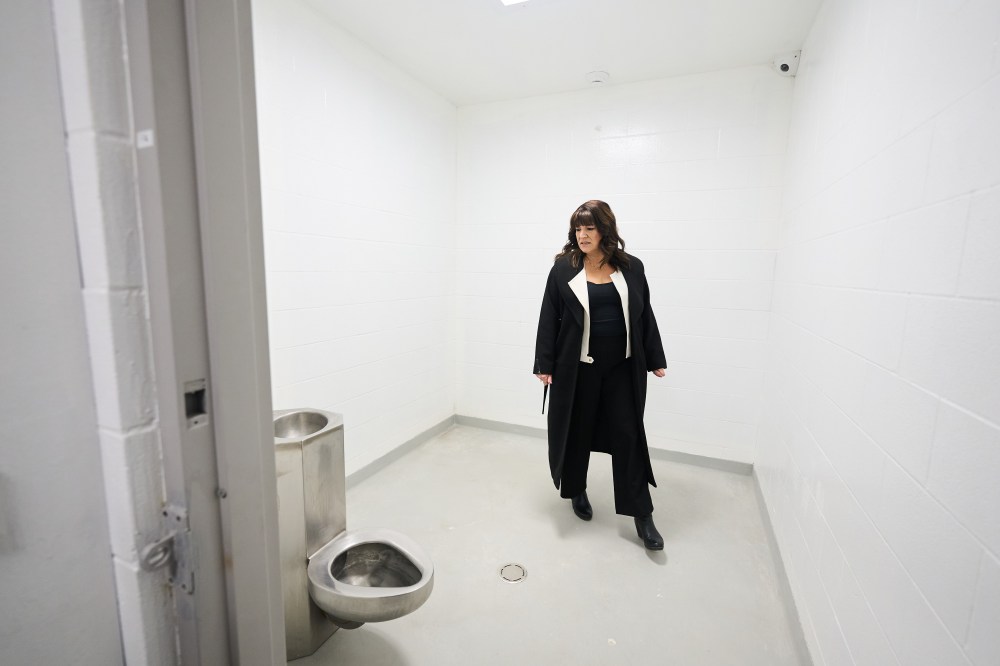
The centre was established to deal with the long-lasting effects of drugs like methamphetamine.
Housing, Addictions and Homelessness Minister Bernadette Smith said it is addressing the needs of people in crisis despite the low number of people being detained because of drugs.
“The (protective care centre) is doing what it’s meant to do – support people, meet them where they’re at (and) provide a caring environment,” she said at an unrelated event on Friday.
The NDP government passed a law last year to extend detentions to 72 hours. Previous legislation allowed for someone to be detained for up to 24 hours, a time frame designed for people intoxicated by alcohol.
The centre opened for alcohol submissions in December and began accepting people on drugs in March.
The building is filled with small cell-like rooms where individuals are assessed and monitored by health and social service professionals.
The centre sees an average of 21 people per day. The longest stay has been for 45 1/2 hours for someone under the influence of drugs.
Smith told reporters that “drug trends” may be accounting for the low number of people being detained for drugs because they present a danger to themselves or others.
“We’re seeing more of a tranquilizer, where people are in a sedated state.”
The report cautioned that the data has limitations due to variability in reporting accuracy and consistency. It expects reporting will improve over time as data collection evolves.
The plan for 72-hour detentions has been criticized by the Opposition Progressive Conservatives, who have argued the government should be investing in treatment options.
“When the government talked about opening this so-called detox facility, it became very evident very quickly that it was nothing more than a ‘drunk tank.’ And that is very much showing in the numbers,” said Jeff Bereza, the party’s critic for addictions.
“We need more opportunities for people that are trying to get better and who are seeking help.”
While at the centre, individuals are offered food, water, medical care and referrals to various mental health and addiction supports and community resources, the government’s report said.
The centre was run by Main Street Project, a non-profit that has for decades run a nearby 24-hour centre commonly called the “drunk tank.” A post from July on the organization’s website said they are no longer the provider of the centre and did not provide a reason.
This report by The Canadian Press was first published Sept. 4, 2026.
Note to readers:This is a corrected story. A previous version said the longest stay at the protective care centre was for someone under the influence of alcohol.