
Reserve doctor feared for her life
Discusses addiction epidemic on First Nations
Advertisement
Read this article for free:
or
Already have an account? Log in here »
We need your support!
Local journalism needs your support!
As we navigate through unprecedented times, our journalists are working harder than ever to bring you the latest local updates to keep you safe and informed.
Now, more than ever, we need your support.
Starting at $15.99 plus taxes every four weeks you can access your Brandon Sun online and full access to all content as it appears on our website.
Subscribe Nowor call circulation directly at (204) 727-0527.
Your pledge helps to ensure we provide the news that matters most to your community!
To continue reading, please subscribe:
Add Brandon Sun access to your Free Press subscription for only an additional
$1 for the first 4 weeks*
- Enjoy unlimited reading on brandonsun.com
- Read the Brandon Sun E-Edition, our digital replica newspaper
*Your next Free Press subscription payment will increase by $1.00 and you will be charged $20.95 plus GST for four weeks. After four weeks, your payment will increase to $24.95 plus GST every four weeks.
Read unlimited articles for free today:
or
Already have an account? Log in here »
Hey there, time traveller!
This article was published 14/03/2013 (4852 days ago), so information in it may no longer be current.
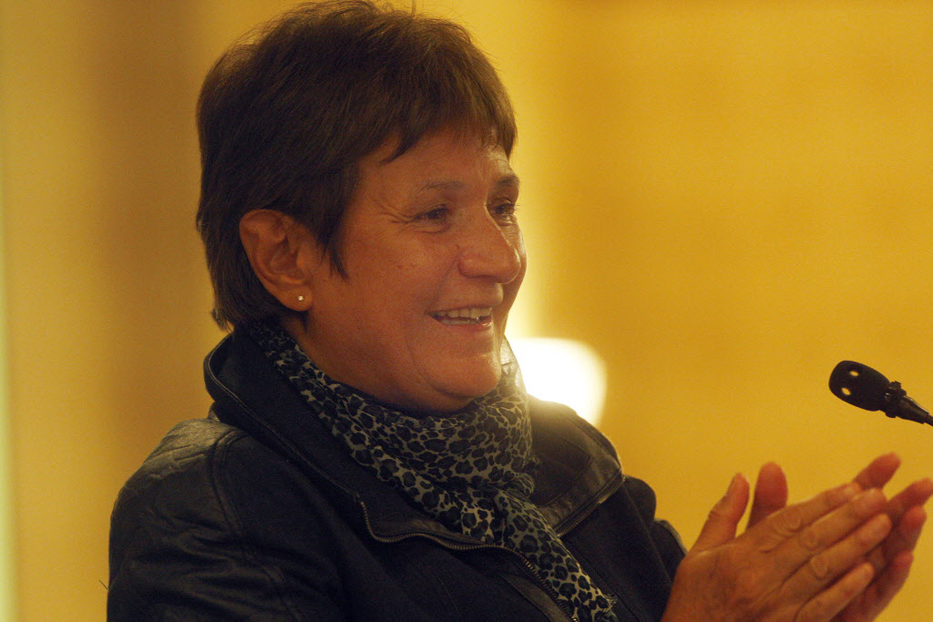
The day Manitoba family doctor Marlyn Cook refused narcotics to an angry woman on a northern First Nation was the first time she feared for her safety.
“She came to me, her speech was slurred and I knew she was probably on a lot of drugs. There was a big problem in the community with drug use and two men had recently overdosed. One of them was her brother-in-law,” Cook said.
Percocet was what the patient wanted. At the time, a single pill was selling for $30 on the unnamed reserve.
In Manitoba, the drug of choice is Tylenol 3, a painkiller with codeine. A close second is Percocet, the narcotic painkiller with acetaminophen and oxycodone. Oxycodone isn’t covered anymore by health insurance for treaty First Nations.
Cook recounted the run-in after a panel wrapped up Wednesday with registrars from the licensing bodies of doctors, nurses and pharmacists, all discussing an epidemic of prescription drug abuse on First Nations.
The event, sponsored by Sagkeeng First Nation at the Club Regent Canad Inns, drew some 150 counsellors and health-care workers from half a dozen southern Manitoba First Nations for a three-day meeting.
It offered a rare glimpse into the daily reality on Manitoba First Nations: These are places where drugs are handed out as pacifiers as much as painkillers.
Doctors are afraid not to write prescriptions, pharmacists swallow their suspicions and fill pill bottles. Patients feed drug habits at the expense of federal health insurance. To say addictions mask profound social, psychological wounds — not to mention real physical pain — barely scratches the surface. Plenty of doctors quit their jobs under the pressure of addicts, Cook recalled.
In the end, the doctor said, she didn’t have much choice despite her own fears in the face of the woman’s angry insistence: “I told her, ‘I refuse to give this to you. You’d end up dead, like your brother-in-law.’ I was not going to become a part of this.”
Turning the woman down, day after day, meant risking retaliation from her entire family, including two other sisters, also addicts.
Cook started watching her back.
“I walk every day, about an hour-and-a-half and I’ve never been scared to do that. But for the first time, I was scared to go down that road. I was scared they’d come down and plow into me with their vehicle. When you’ve got addictions, you get desperate and when you’re desperate, you’ll do anything,” she said.
The drug epidemic is not going to change on its own, not without concerted political support from chiefs and visible, persistent community effort, Cook said.
Near the back of the room, Manitoba Aboriginal Affairs Minister Eric Robinson sat quietly, listening to the panel and Cook’s story. He wasn’t scheduled to speak and when he rose, it was after the panel broke up and people were filtering out.
Robinson offered to meet with leaders at Sagkeeng and other First Nations. Political will may be the only ammunition that has a shot of working, Robinson said. “I’m putting the offer out,” the minister added.
alexandra.paul@freepress.mb.ca