
Problem is getting patients long-term care, not clogged waiting rooms, inquest hears
Advertisement
Read this article for free:
or
Already have an account? Log in here »
We need your support!
Local journalism needs your support!
As we navigate through unprecedented times, our journalists are working harder than ever to bring you the latest local updates to keep you safe and informed.
Now, more than ever, we need your support.
Starting at $15.99 plus taxes every four weeks you can access your Brandon Sun online and full access to all content as it appears on our website.
Subscribe Nowor call circulation directly at (204) 727-0527.
Your pledge helps to ensure we provide the news that matters most to your community!
To continue reading, please subscribe:
Add Brandon Sun access to your Free Press subscription for only an additional
$1 for the first 4 weeks*
*Your next subscription payment will increase by $1.00 and you will be charged $20.00 plus GST for four weeks. After four weeks, your payment will increase to $24.00 plus GST every four weeks.
Read unlimited articles for free today:
or
Already have an account? Log in here »
Hey there, time traveller!
This article was published 09/06/2014 (4317 days ago), so information in it may no longer be current.
Contrary to popular belief, it is not patients with minor injuries causing overcrowding in hospital emergency rooms.
Dr. Grant Innes, an emergency room doctor in Calgary and an expert in emergency room overcrowding and patient flow, said the main problem is not being able to get critically ill patients out of the emergency room.
Innes said the problem goes all the way to patients being blocked from getting out of hospital to long-term care beds.
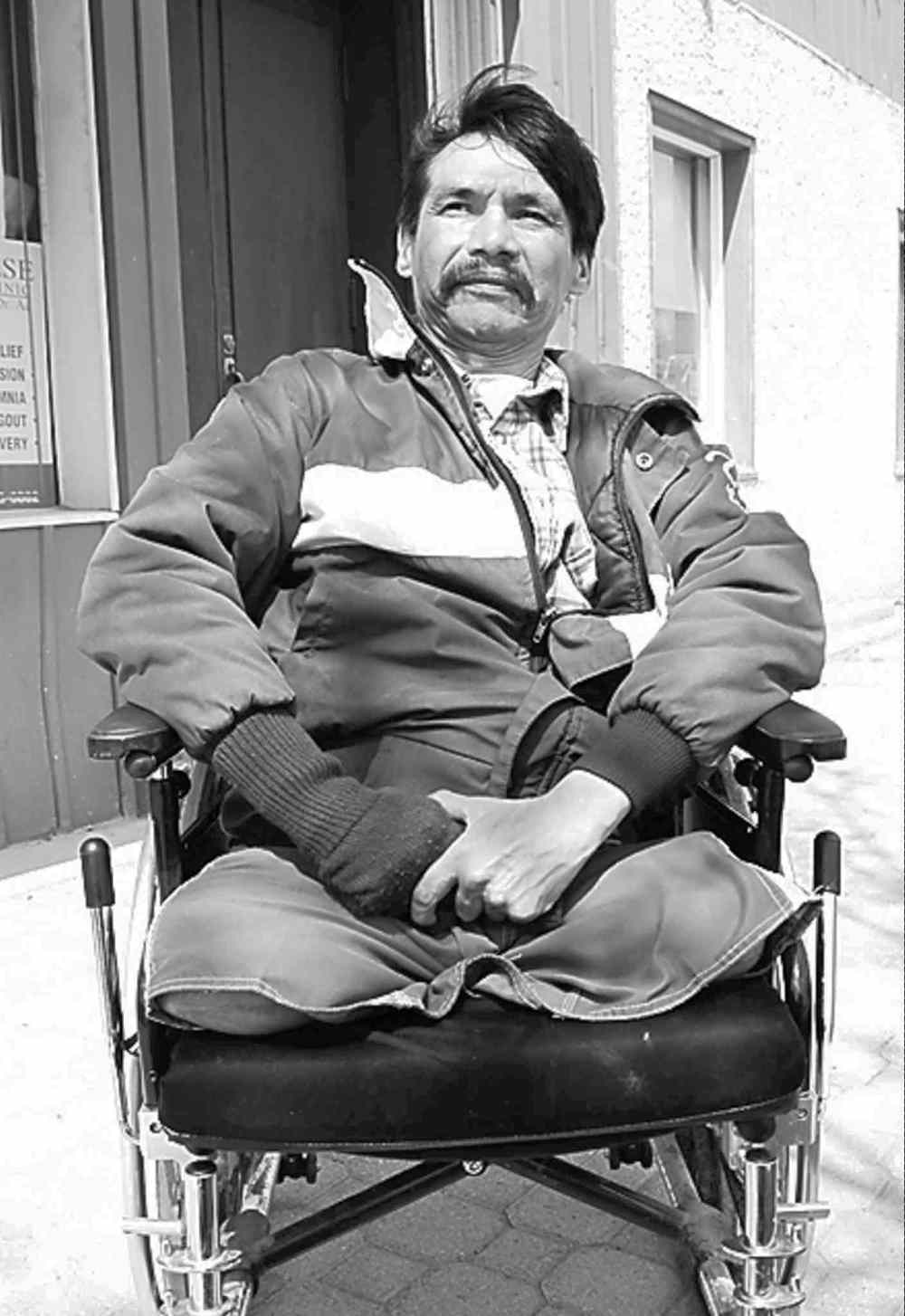
“Too many patients waiting too long in the wrong place,” he told an inquest looking into the death of Brian Sinclair today.
Innes said studies show transferring patients with minor injuries to urgent care centres really doesn’t free up ER space.
“The overwhelming cause is blocked patients,” he said.
Innes said one patient he studied — who had a scratched cornea — illustrates how blocking occurs because it took them almost three hours to be seen and treated in the ER.
But Innes said when he had a similar ailment and was treated there by a doctor he knew the entire time was nine minutes.
He said the rest of the time spent by the other patient included repeated questioning by health care staff and documenting the ailment.
“This type of inefficiency shouldn’t be allowed to exist.”
Sinclair, 45, died in Sept. 2008, after waiting in the HSC emergency waiting room for 34 hours. A coroner said Sinclair, a double amputee who used a wheelchair, could have died up to seven hours before he was noticed.
The inquest, which has been holding hearings on and off since last August, is in its final week.
Kevin.Rollason@freepress.mb.ca
Related Articles
End nears for lengthy inquest into Sinclair's death
Advertisement Advertise With Us