
Former soldier fights PTSD stigma
Advertisement
Read this article for free:
or
Already have an account? Log in here »
We need your support!
Local journalism needs your support!
As we navigate through unprecedented times, our journalists are working harder than ever to bring you the latest local updates to keep you safe and informed.
Now, more than ever, we need your support.
Starting at $15.99 plus taxes every four weeks you can access your Brandon Sun online and full access to all content as it appears on our website.
Subscribe Nowor call circulation directly at (204) 727-0527.
Your pledge helps to ensure we provide the news that matters most to your community!
To continue reading, please subscribe:
Add Brandon Sun access to your Free Press subscription for only an additional
$1 for the first 4 weeks*
*Your next subscription payment will increase by $1.00 and you will be charged $20.00 plus GST for four weeks. After four weeks, your payment will increase to $24.00 plus GST every four weeks.
Read unlimited articles for free today:
or
Already have an account? Log in here »
Hey there, time traveller!
This article was published 11/06/2015 (3950 days ago), so information in it may no longer be current.
Glen Kirkland describes being ambushed in Afghanistan as simply “a really bad day.”
“That’s how I like to think about it,” he says. “I was very badly wounded and I still have those scars with me today. But I don’t want that one event to dictate my whole life. It’s part of me, but it’s not the sole entity of who I am.”
Kirkland joined the military at age 21 as a member of the 2nd Battalion, Princess Patricia’s Canadian Light Infantry based out of Shilo. He was serving in Afghanistan as a marksman and machine gunner and was at the tail end of his tour when a group he was travelling with was ambushed. Kirkland lost three close friends and due to the severity of his wounds, had his military career cut short.
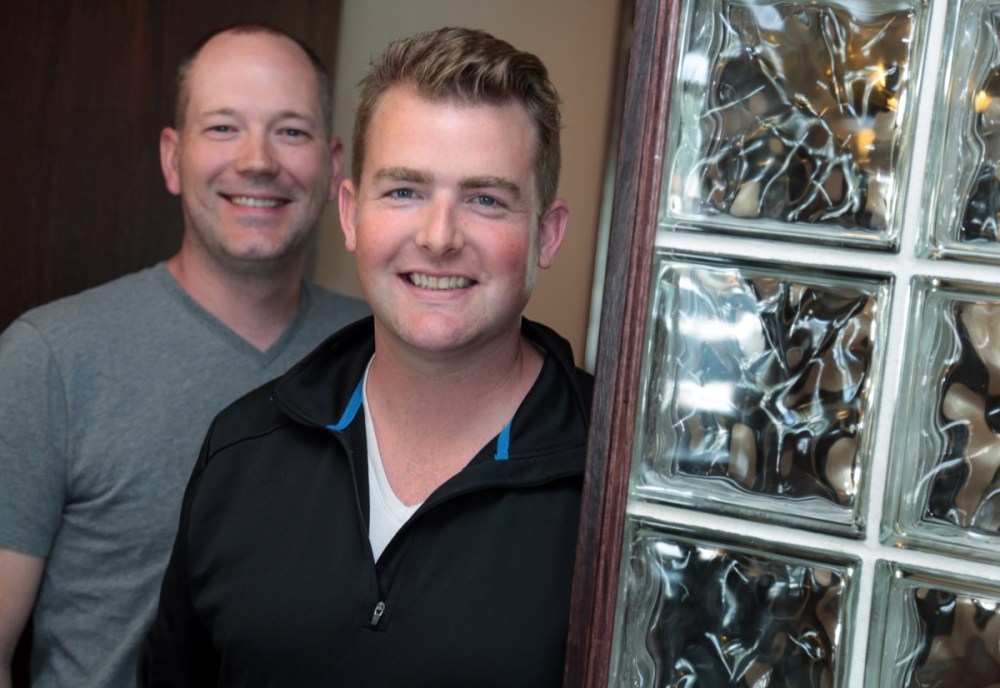
Today, the soldier-turned-real estate agent tells his story in “I Came Back,” a documentary that seeks to give people a better understanding of mental illness and post-traumatic stress disorder. Available through MTS TV Stories on Demand, the documentary focuses on a new concept of “post-traumatic growth” — the positive outcomes of overcoming a traumatic situation.
“Quite often there’s this notion that if you have a mental health disorder like PTSD, it’s a life sentence,” said Dr. Nicholas Carleton, a University of Regina psychology professor and PTSD researcher who is featured in the documentary.
“People think that they have to live with the symptoms for the rest of their lives and that is simply not the case.”
Carleton hopes focusing on positive stories of recovery such as Kirkland’s will help to change people’s perceptions of PTSD, specifically for people within the military.
“One of the things we’ve known for quite a while is that in military populations there’s still quite a lot of stigma associated with mental health, particularly in areas like PTSD and depression,” he said. “So one of the ways that we’re hoping this film is going to be a benefit is that it will help chip away at that stigma.”
Kirkland says changing people’s perceptions was the main reason he agreed to be in the film.
“There’s so many negative stories about people coming back from Afghanistan,” he said. “I’ve had my battles — it hasn’t been rosy — but I want people to know that there’s a positive side from coming back from over there.”
Despite recent efforts to educate Canadians on mental-health issues, Carleton says that people’s perceptions of mental health have been slow to change.
“I’m still seeing patients questioning whether or not PTSD is a life sentence for them,” he said.
According to Kirkland, perceptions could be changed if the government was to invest in more treatment for returning soldiers, claiming he would have been better taken care of if he “slipped on the floor while working at a grocery store.”
“We need to look after those who have sacrificed,” he said. “We shouldn’t have to beg for it.”
Kirkland said that better care for veterans was one of the reasons he sought the nomination for the federal Liberal party last year. He later dropped out of the race, citing personal reasons.
“I know the current government is doing nothing to help the soldiers,” he said. “There’s a lot of talk but no action.”
Carleton says that he believes that the government is starting to make an effort for better care of veterans, at least when it comes to mental health.
“The leadership is there and they are trying to make a difference and trying to make a change,” Carleton said.
“But when we talk about things like mental health stigma, these are things that are deeply ingrained into components of our culture. So it’s not as simple as everybody wakes up one morning and decides there is no longer going to be a stigma towards mental health.”
Nate Bower, who directed the documentary, says he hopes the film makes a difference.
“If we can help one person, the documentary will be a success,” Bower said. “People might see Glen and realize that it’s possible to turn things around. And maybe they’ll pick up the phone and talk to somebody and make their lives better.”
» ebell@brandonsun.com
» Twitter:@eric_bellMB
This story has been updated to correct the spelling of a name. It is Glen Kirkland, not Greg.