
A bug’s life: Aphids creating sticky situation
Advertisement
Read this article for free:
or
Already have an account? Log in here »
We need your support!
Local journalism needs your support!
As we navigate through unprecedented times, our journalists are working harder than ever to bring you the latest local updates to keep you safe and informed.
Now, more than ever, we need your support.
Starting at $15.99 plus taxes every four weeks you can access your Brandon Sun online and full access to all content as it appears on our website.
Subscribe Nowor call circulation directly at (204) 727-0527.
Your pledge helps to ensure we provide the news that matters most to your community!
To continue reading, please subscribe:
Add Brandon Sun access to your Free Press subscription for only an additional
$1 for the first 4 weeks*
*Your next subscription payment will increase by $1.00 and you will be charged $20.00 plus GST for four weeks. After four weeks, your payment will increase to $24.00 plus GST every four weeks.
Read unlimited articles for free today:
or
Already have an account? Log in here »
Hey there, time traveller!
This article was published 01/08/2017 (3199 days ago), so information in it may no longer be current.
Hot and dry weather conditions are to blame for an excessive amount of that sticky substance coating cars, sidewalks and streets in Brandon this summer.
What might first seem like tree sap, is actually the sugary, liquid waste of aphids, called honeydew, according to Taz Stuart, entomologist with Poulin’s Pest Control.
“Right now we’re sort of below average (rainfall) for July, so consequently, we’re seeing some of those other pests that like dry conditions propagate or increase,” Stuart said.
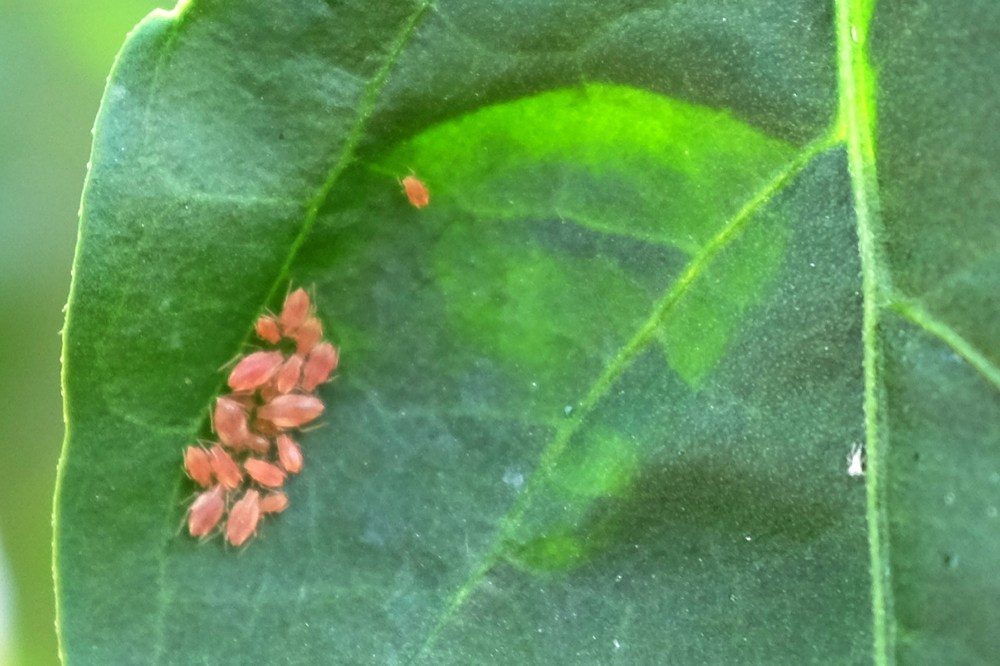
Aphids feed on the tree leaves, sucking out the sap. They are drawn to elm, maple and ash trees in particular. The lack of rain has lead to an abundance of honeydew in neighbourhoods across the city, and you may have noticed a foul smell.
“As it ages, it does get mouldy and stinky,” Stuart said. “That’s why we need some rain to wash it down.”
Motorists are frustrated to see the gooey mess continually fall on their car and as Stuart says, need to use “major elbow grease” to get it off.
“That’s why you don’t want to park under any tree canopies in the summertime,” he said, with a laugh.
Glen Farmer, an attendant at Co-op Gas Bar on Sixth Street, said the car wash has been bustling more than usual, likely due to the aphid issue.
“This is the worst I’ve seen,” said Farmer, who has worked at Co-op for more than five years. “Usually it’s bugs, and you’re scrubbing bugs off, but this is just nothing but aphids (waste).”
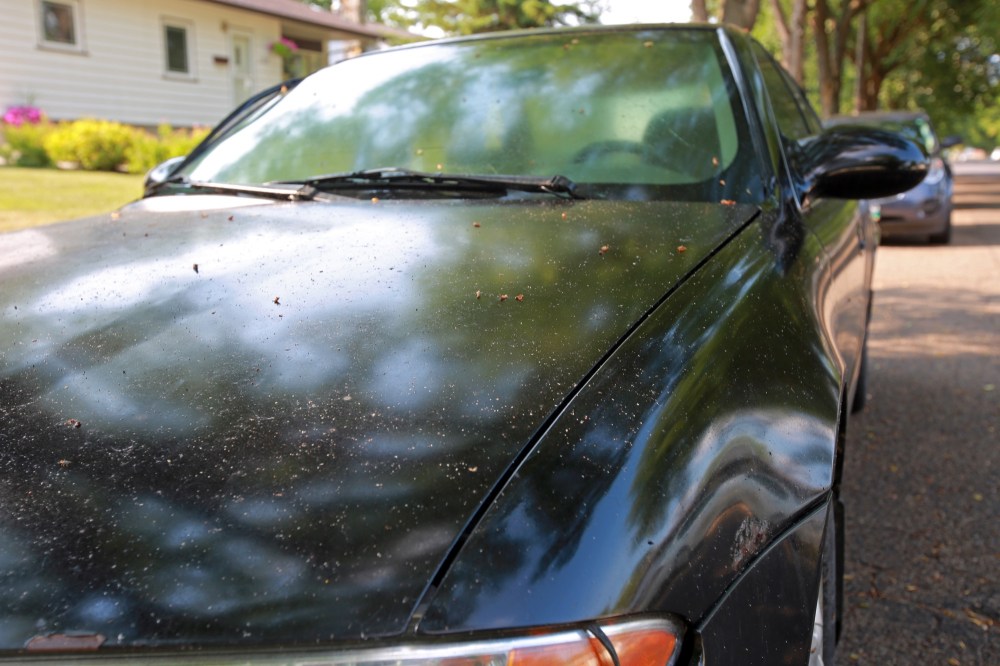
When drivers come in for a fill-up, they are often asking the attendants to wash all the windows, rather than just the front and back.
“It’s awful, they’re everywhere,” Farmer said. “They’re sticky, they stick to your gloves, stick on your clothing.”
Brandonites may have noticed an influx of ladybugs and dragonflies as well, which may be linked to the aphid issue, according to Bryan Cassone, assistant biology professor at Brandon University.
“Many aphid species enter symbiotic relationships with other species, where they help one another out,” he said. “The aphid produce a sugary food … for the ladybugs or dragonflies, in exchange, ladybugs or dragonflies care for and protect the aphids from predators and parasites. You can often find these insects ‘tending’ to their aphid colonies.”
Not much can be done except wait for cooler temperatures and rain. Aphids can be sprayed down with water, but as Stuart explains, there is going to be another generation that rapidly appears as they multiply very quickly.
When combined with other insect species, such as forest tent caterpillars and cankerworms, the aphid infestation can gradually weaken the tree. Over time, Stuart explained that some branches may die, and over multiple years it may result in the death of a tree, but only in a very severe infestation.
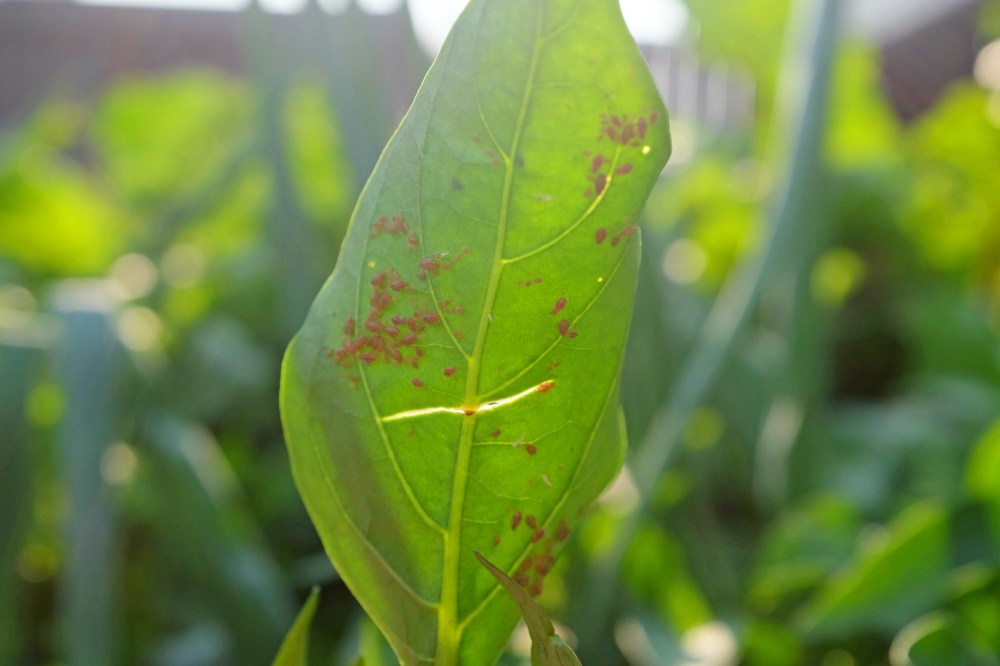
» jaustin@brandonsun.com
» Twitter: @jillianaustin