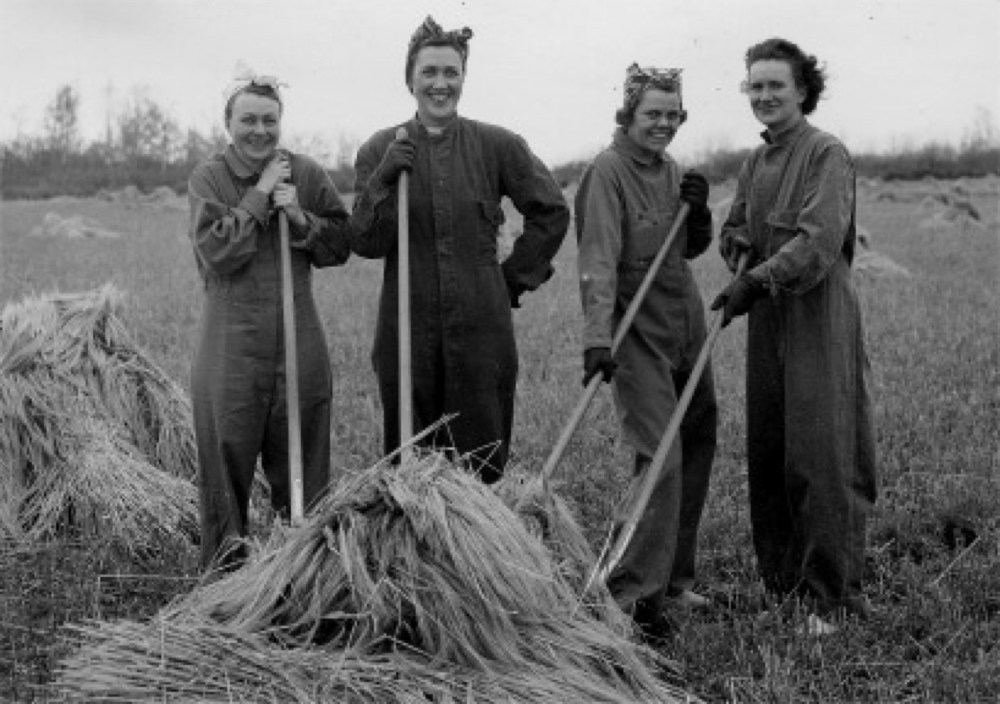
Archivist’s project highlights British Commonwealth Air Training Plan stories
Advertisement
Read this article for free:
or
Already have an account? Log in here »
We need your support!
Local journalism needs your support!
As we navigate through unprecedented times, our journalists are working harder than ever to bring you the latest local updates to keep you safe and informed.
Now, more than ever, we need your support.
Starting at $15.99 plus taxes every four weeks you can access your Brandon Sun online and full access to all content as it appears on our website.
Subscribe Nowor call circulation directly at (204) 727-0527.
Your pledge helps to ensure we provide the news that matters most to your community!
To continue reading, please subscribe:
Add Brandon Sun access to your Free Press subscription for only an additional
$1 for the first 4 weeks*
*Your next subscription payment will increase by $1.00 and you will be charged $20.00 plus GST for four weeks. After four weeks, your payment will increase to $24.00 plus GST every four weeks.
Read unlimited articles for free today:
or
Already have an account? Log in here »
Hey there, time traveller!
This article was published 10/11/2017 (3051 days ago), so information in it may no longer be current.
The archivist from a Brandon museum has spent months repackaging a wealth of historical stories about the Second World War and the men and women who played a role.
In recognition of Canada’s 150th birthday, Greg Sigurdson set off to publish as many vignettes based on the multi-country campaign to train aircrew for the war as there is years the country existed.
His inspiration is the British Commonwealth Air Training Plan, which was formed by four British Commonwealth countries to supply trained aircrew to their air forces for the Second World War.
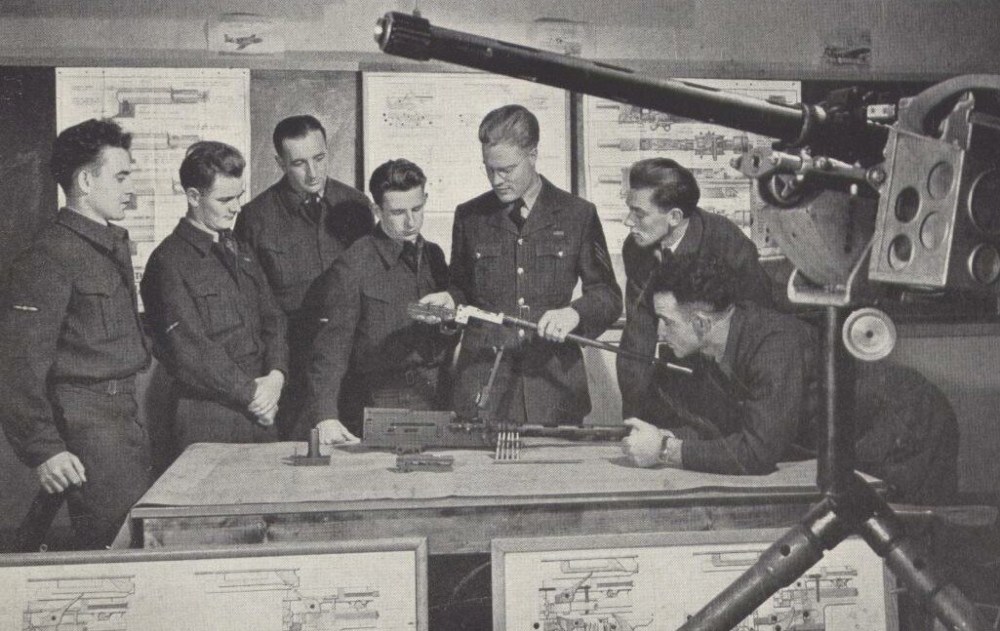
Primarily focused in Canada, the effort trained 131,000 people in more than 100 schools located in every province, including a number in southwestern Manitoba.
Sigurdson’s collection of 150 short stories, available online, is diverse, gleaned from the archives and other materials at the Commonwealth Air Training Plan Museum in Brandon, where Sigurdson is an archivist.
He has compiled histories of a number of the flying training schools, including those in Virden, Souris and Neepawa. He also shares individual tales of people who flew for their country. And there are quirkier items like an imagined cross-country jaunt for a penny manufactured in 1940 and a look back at wartime propaganda literature.
In preparation for Remembrance Day, Sigurdson shared a story on Regina LeBoldus, a mother from Vibank, Sask., who lost three sons who were in the Royal Canadian Air Force. Today, he’ll publish a post on 12 other families who lost a trio of their children during the war.
“I have so much admiration for that generation of people. Those who survived the Great Depression and World War 2, they came home and only wanted to make a happy life for themselves,” Sigurdson said. “It reinforces my respect for the people of that era and what they did for us in the future.”
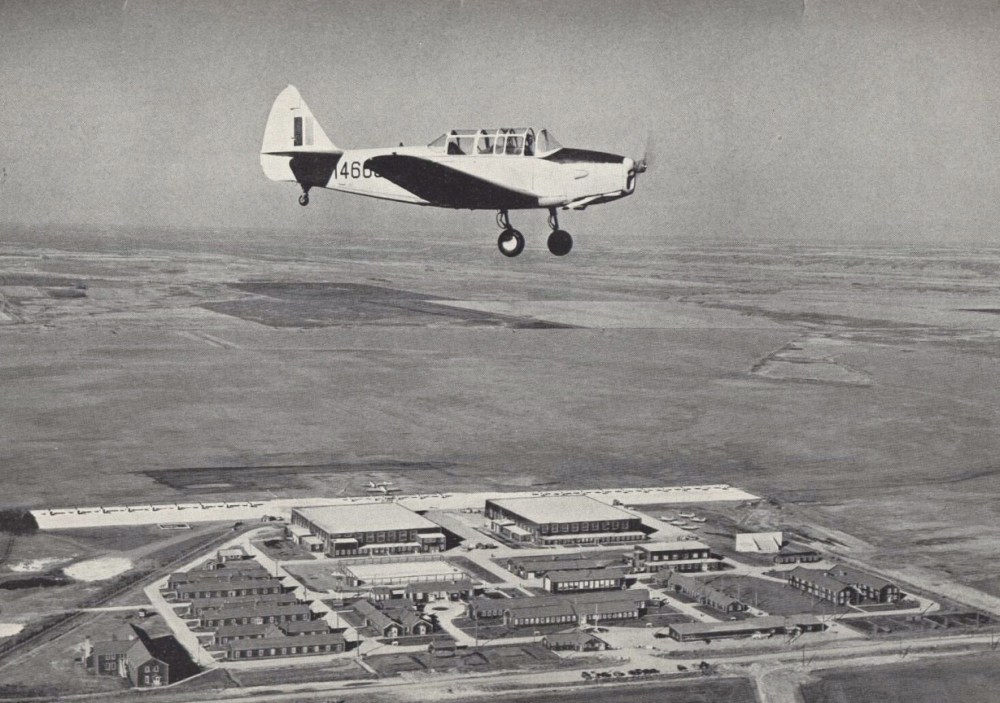
The 150 vignettes delve, specifically, into the British Commonwealth Air Training Plan, the training schools that formed as a result, infrastructure such as the aircraft and various buildings and “the human side,” Sigurdson said. “I really love the human side.”
Using previously conducted interviews recorded on video more than a decade ago, or submitted written letters, the website hosting the 150 vignettes consists of personal stories from air force veterans.
“In most cases, it was an 18-year-old kid off the farm, leaving town for the first time in his life,” Sigurdson said. “He’s meeting obnoxious people, he’s meeting nice people, he’s probably met his wife — all this while training to go to war, and then going to war and in some cases being killed.”
Garnet Robertson, living near Isabella, tells of wanting to join the air force at 17, but needing parental permission. Initially saying no, he convinced his dad to change his mind, he said in one of the vignettes.
A war bride, Doreen Balkwill (nee Stone) of Brandon describes meeting her husband at a Brandon Armouries Service Dance. They tied the knot while he trained in Rivers, where the bride had to submit three recommendations confirming her suitability as an airman’s wife.
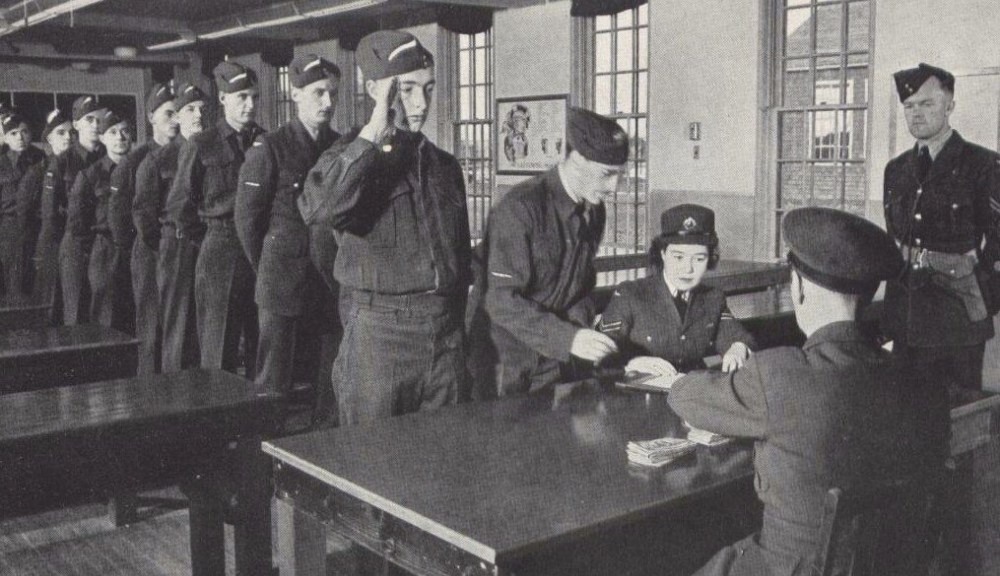
While Sigurdson writes some of the stories, many vignettes consist of material already written by other researchers or publications. In some cases, Sigurdson is using stories submitted to the museum years ago from either a veteran or their families. Before this project, these tales of life in the 1940s were not publicly available.
Sigurdson has served as primary researcher and writer on the project, with a new vignette published every two days, on average.
It’s become much more than just a blow-by-blow account of the British Commonwealth Air Training Plan, which was enacted in 1939 and ended in 1945.
“Our obligation is to tell a story of the schools themselves, The Plan, and also to tell people about life — life during the Second World War and a big part of that is on the homefront.”
One of his more interesting discoveries, he found, centred on the contributions of the Winnipeg Women’s Auxiliary Air Force. In four years, the women served 596,879 meals. “No request of the boys, were they Canadian, American or from across the sea, was too much trouble for the volunteers who cooked for them,” a booklet written by the club read.
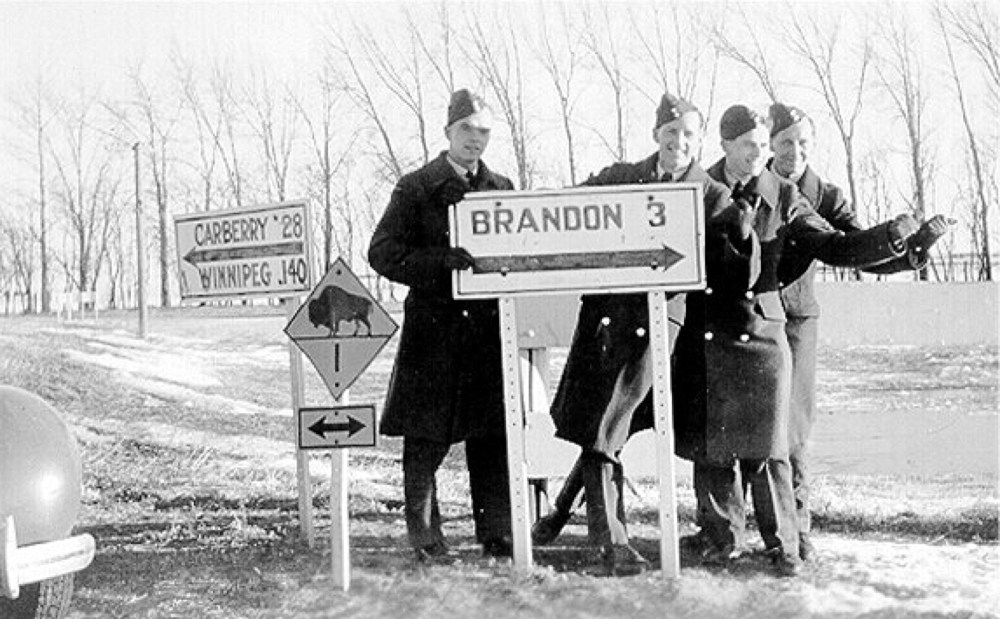
“It’s such a touching story,” Sigurdson replied. “It’s chock full of these statistics, but it also gets to the human side of things, and how great these people were during the war.”
To read this vignette (No. 134) and others, visit bcatp.org and hillmanweb.com/150/.
» ifroese@brandonsun.com
» Twitter: @ianfroese