
Indigenous birth workers bring support and tradition
Advertisement
Read this article for free:
or
Already have an account? Log in here »
We need your support!
Local journalism needs your support!
As we navigate through unprecedented times, our journalists are working harder than ever to bring you the latest local updates to keep you safe and informed.
Now, more than ever, we need your support.
Starting at $15.99 plus taxes every four weeks you can access your Brandon Sun online and full access to all content as it appears on our website.
Subscribe Nowor call circulation directly at (204) 727-0527.
Your pledge helps to ensure we provide the news that matters most to your community!
To continue reading, please subscribe:
Add Brandon Sun access to your Free Press subscription for only an additional
$1 for the first 4 weeks*
*Your next subscription payment will increase by $1.00 and you will be charged $20.00 plus GST for four weeks. After four weeks, your payment will increase to $24.00 plus GST every four weeks.
Read unlimited articles for free today:
or
Already have an account? Log in here »
Hey there, time traveller!
This article was published 02/10/2018 (2708 days ago), so information in it may no longer be current.
A local group of women are working to build a support network of birth workers, while at the same time reclaiming Indigenous traditions.
The Brandon Indigenous Birth Workers want to get the word out on what they do in the community, while fostering a support network and relearning sacred teachings.
“It’s hard to explain the feeling you get when you know baby is coming soon, it’s so beautiful. It’s such an honour to be a part of that,” birth worker Angela Griffith told The Sun during a group meeting on Monday evening.
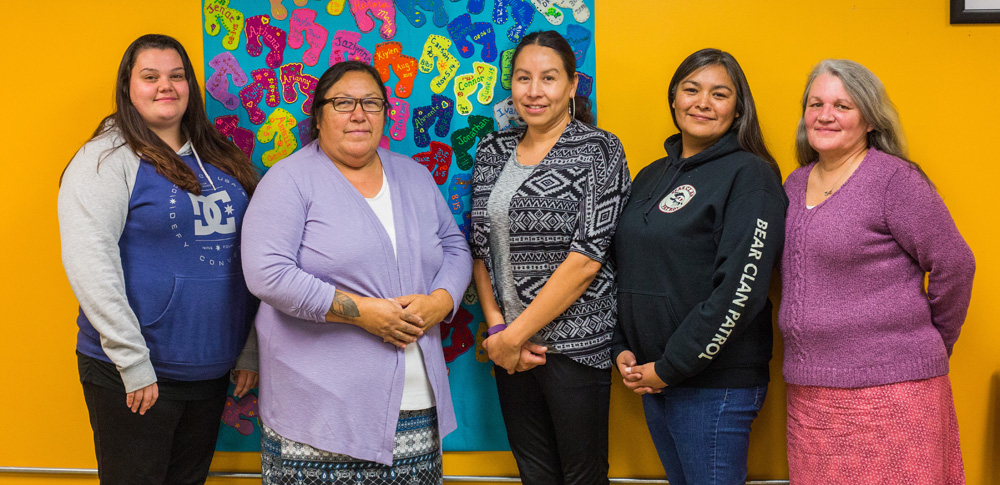
There are more than forty trained Indigenous birth workers with the group, though only two of them are certified.
Trained workers go through an intense training process, and then have the option to go on to become certified. In order to become a certified ‘doula,’ also known as a birth worker, one must take part in three births.
The group prefers to use the word birth worker in place of doula, as part of reclaiming their sacred learning and culture.
The birth workers serve as helpers providing emotional, physical and spiritual support for new mothers and their families through pregnancy, birth and pre-natal care. They are not midwives.
Every birth is different, and Griffith said she is always ready for anything.
One of the highest honours a doula can receive is being asked to be someone’s birth worker, an experience that is both humbling and exciting.
“It’s like getting asked to marry someone,” Griffith said.
She became an Indigenous birth worker in August 2017, and has participated in nine births.
The key behind their work is teaching people they are not alone and that a network of women exists ready to support each other and their babies, paired with providing a space for them to give birth in their community.
The birth workers see every side of pregnancy, from extreme moments of joy to crushing moments of despair during the birth cycle, while at the same time working to fill expectant mothers’ gaps of support.
“The women who need it the most don’t have the resources to pay for it,” Griffith said.
They choose to instead focus on how every little action can make a positive difference one person at a time.
The movement has been incredibly powerful Griffith said, giving her the power to support her community, while at the same time helping her make changes in her own life and become a better parent.
“It’s tough, but it’s an honour to hold space. When you get asked to do it, it’s not only exciting, it’s an honour to be in that sacred time,” birth worker Deidre Gregory said. “I usually cry right along with them.”
As a birth worker Gregory doesn’t charge for her time, she instead takes donations. She does this because in Manitoba women are not covered to have doula service, and the act of helping in birth is a reward unto itself.
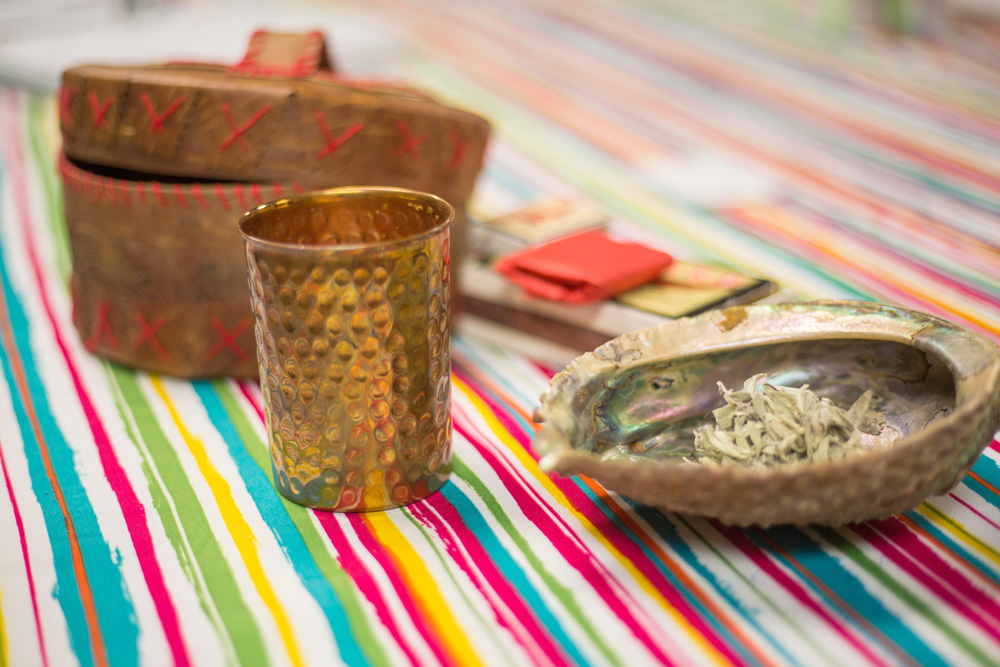
The Brandon Indigenous Birth Workers meet once a month, to share their birthing experiences and support each other. Each meeting begins with a smudge and water ceremony honouring their sacred traditions.
The practice of delving into birth work has been humbling, with the women starting at the same level of knowledge and working together, relearning the sacred knowledge of Indigenous birth.
A shared goal of the group is that they become well known enough in the community to have people seek them out.
The hope is to one day be able to provide support for any women in need, while continuing to build on the traditional teachings and re-introducing traditional parenting.
It is hard work bringing back traditional parenting, because these skills were taken from the community when kids were sent to residential schools said birth worker Deborah Tacan.
Bringing back traditional parenting skills will play a crucial role in rebuilding and maintaining traditional culture. The work will help end trauma before it starts by building strong support networks based on these sacred traditions Tacan said.
The act of Indigenous birth working is a step towards helping to decolonize Indigenous culture birth workers actively taking the birth cycle back to their community, helping to reclaim traditional teachings and parenting.
Tacan describes it as a whole life the birth workers are trying to bring back, with the first step starting at birth.
“To be able to bring back the traditional way of sharing birth, sharing that pregnancy… It feels very sacred,” Tacan said.
The best way to reach the Brandon Indigenous Birth Workers is via Facebook or email brandonbirthworkers@gmail.com, or by calling In A Good Way at 204-571-0670.
»ckemp@brandonsun.com
»@The_ChelseaKemp