
Re-elected chief remains a man with plans
Advertisement
Read this article for free:
or
Already have an account? Log in here »
We need your support!
Local journalism needs your support!
As we navigate through unprecedented times, our journalists are working harder than ever to bring you the latest local updates to keep you safe and informed.
Now, more than ever, we need your support.
Starting at $15.99 plus taxes every four weeks you can access your Brandon Sun online and full access to all content as it appears on our website.
Subscribe Nowor call circulation directly at (204) 727-0527.
Your pledge helps to ensure we provide the news that matters most to your community!
To continue reading, please subscribe:
Add Brandon Sun access to your Free Press subscription for only an additional
$1 for the first 4 weeks*
- Enjoy unlimited reading on brandonsun.com
- Read the Brandon Sun E-Edition, our digital replica newspaper
*Your next Free Press subscription payment will increase by $1.00 and you will be charged $20.95 plus GST for four weeks. After four weeks, your payment will increase to $24.95 plus GST every four weeks.
Read unlimited articles for free today:
or
Already have an account? Log in here »
Hey there, time traveller!
This article was published 13/04/2019 (2612 days ago), so information in it may no longer be current.
Returning Keeseekoowenin Ojibway First Nation chief remains focused on building the community up after a successful re-election.
Norman Bone has been re-elected as Treaty 2 Territory-Keeseekoowenin Ojibway First Nation (Riding Mountain Band) chief.
Bone was elected to council along with council members Allison McKay, Barry Bone, Marjorie Blackbird and Bradley Burns.
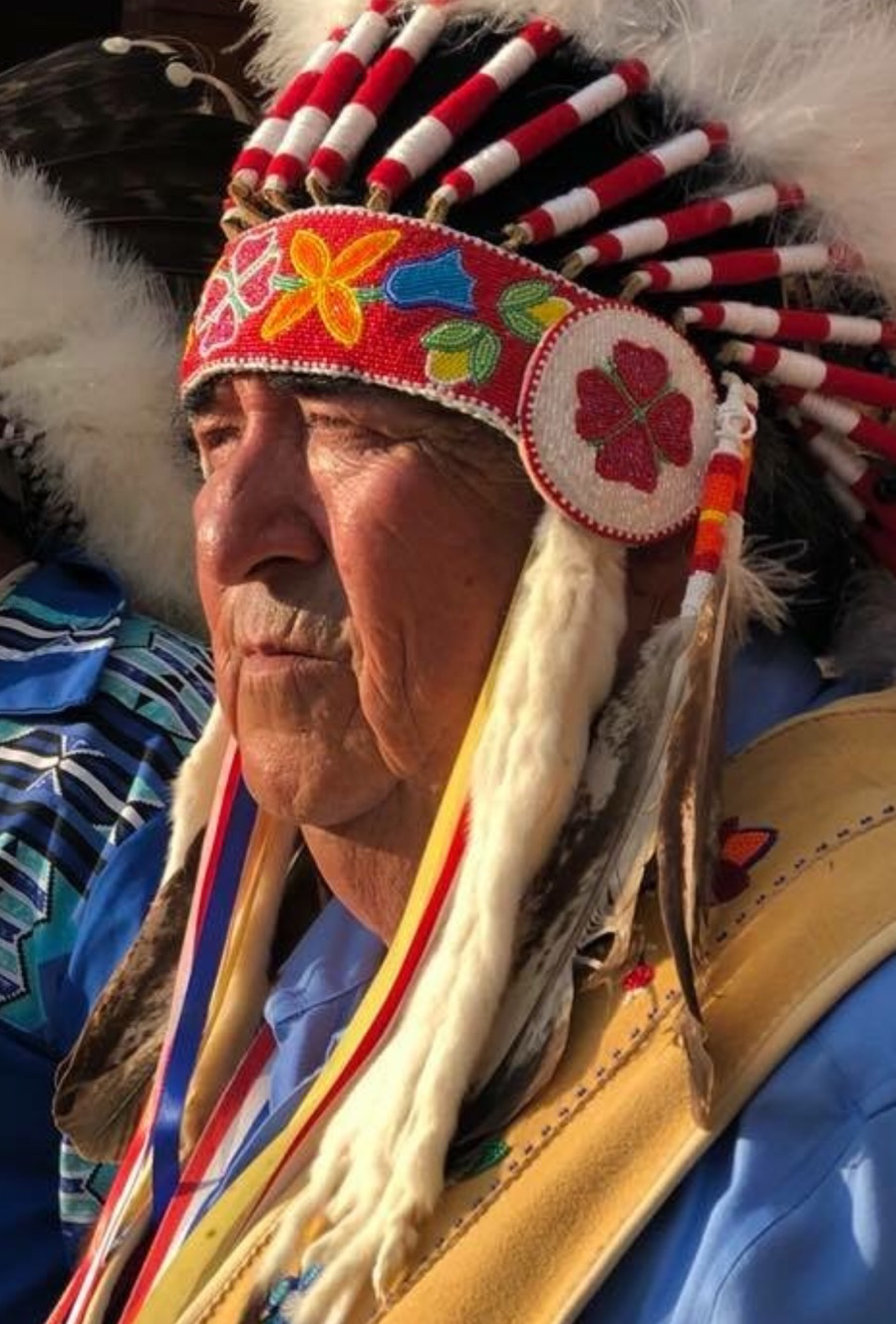
All were elected to a four-year term.
Bone brings with him 40 years of experience of council leadership and community development.
The expansion of community programs in the Keeseekoowenin Ojibway First Nation community is of the utmost importance to Bone.
Using a positive approach for initiatives, Bone said, it is important to work together as a community and with outside groups to help the nation grow.
Keeseekoowenin Ojibway First Nation is currently governed under the Indian Act system, Bone said, but he is working on opening the door to practice and develop traditional Indigenous forms of government.
“We have plans to invite elders into a focus group to work along with council to work at reawakening are own governance ability,” Bone said. “We’re trying to build it from the ground up,” Bone said.
Ensuring community needs are met has been a pivotal drive for Bone as a leader, and his years of experience have helped build relationships with residents and understand their needs.
The continuous growth of community-development programs has been one of the biggest changes he has seen over the years, and it has been an important step in ensuring community members are able to find success and thrive.
The community has grown over the past 30 years. When he first became involved with leadership in the late 1970s, there were 40 homes in the area. That number has tripled since then, Bone said.
He has developed a strategy to create homes for as many people as possible using existing programs and funds.
“We developed programs and services and developed them for ourselves,” Bone said. “I started in an era when we didn’t have any of those services.”
Programs created include a school, health centre, daycare, Child Family Services building, administration building and, most importantly, the implementations of Jordan’s Principle. Jordan’s Principle is designed to avoid federal-provincial jurisdictional fights over who is responsible for paying for Indigenous children’s services. It states the services should be delivered by the government that first comes in contact with a child, after which they can seek repayment from the other jurisdiction.
It is important to have these programs in the community, Bone said, to ensure residents are not forced to move elsewhere to have their needs met.
“We try to design as much as we can for ourselves within our own community,” Bone said.
An important aspect of rebuilding the community has been the continuation of the Anishinaabe language.
The language is being taught to schoolchildren, and an evening class for adults was recently created.
“We’re keeping it alive,” Bone said.
As chief, he wants to ensure community voices continue to play a pivotal role in the design and implementation of these programs.
His goal for the next four years is to review the band’s standing on program service development while ensuring the finances of the nation are able to maintain these initiatives.
Part of securing the quality of life is taking steps to ensure people are able to find enjoyment in their community, Bone said.
The creation of a hockey rink is an important addition he would plan on pursuing in the area.
“It (hockey rinks) has become a hub around many communities around rural Manitoba,” Bone said.
The band currently has an outdoor rink.
Bone also plans on establishing job growth in the community. While the band is able to employ a number of residents, he wants to see this number increased.
“You create 20 more new jobs, but you still need another 80,” Bone said.
By partnering with other first nations provincial-territorial organizations, tribal councils, private industry partnerships and other entities the nation will be in a better position to fuel job growth, he said.
As an example, Bone said, he would like to establish a relationship with Riding Mountain National Park, be it in the administration side or in the private industry for tourism, as a way to increase employment for Keeseekoowenin Ojibway First Nation members.
“I have to network with all kinds of organizations.”
» ckemp@brandonsun.com
» Twitter: @The_ChelseaKemp