
How to get started on an RRSP
Advertisement
Read this article for free:
or
Already have an account? Log in here »
We need your support!
Local journalism needs your support!
As we navigate through unprecedented times, our journalists are working harder than ever to bring you the latest local updates to keep you safe and informed.
Now, more than ever, we need your support.
Starting at $15.99 plus taxes every four weeks you can access your Brandon Sun online and full access to all content as it appears on our website.
Subscribe Nowor call circulation directly at (204) 727-0527.
Your pledge helps to ensure we provide the news that matters most to your community!
To continue reading, please subscribe:
Add Brandon Sun access to your Free Press subscription for only an additional
$1 for the first 4 weeks*
- Enjoy unlimited reading on brandonsun.com
- Read the Brandon Sun E-Edition, our digital replica newspaper
*Your next Free Press subscription payment will increase by $1.00 and you will be charged $20.95 plus GST for four weeks. After four weeks, your payment will increase to $24.95 plus GST every four weeks.
Read unlimited articles for free today:
or
Already have an account? Log in here »
Hey there, time traveller!
This article was published 27/01/2020 (2326 days ago), so information in it may no longer be current.
As much as many of us would like the opposite, we all get older.
Part of getting older for many people is transitioning away from work. But to retire, you need the resources to support your lifestyle.
One way to ensure those resources are available is to start and maintain a registered retirement savings plan (RRSP).
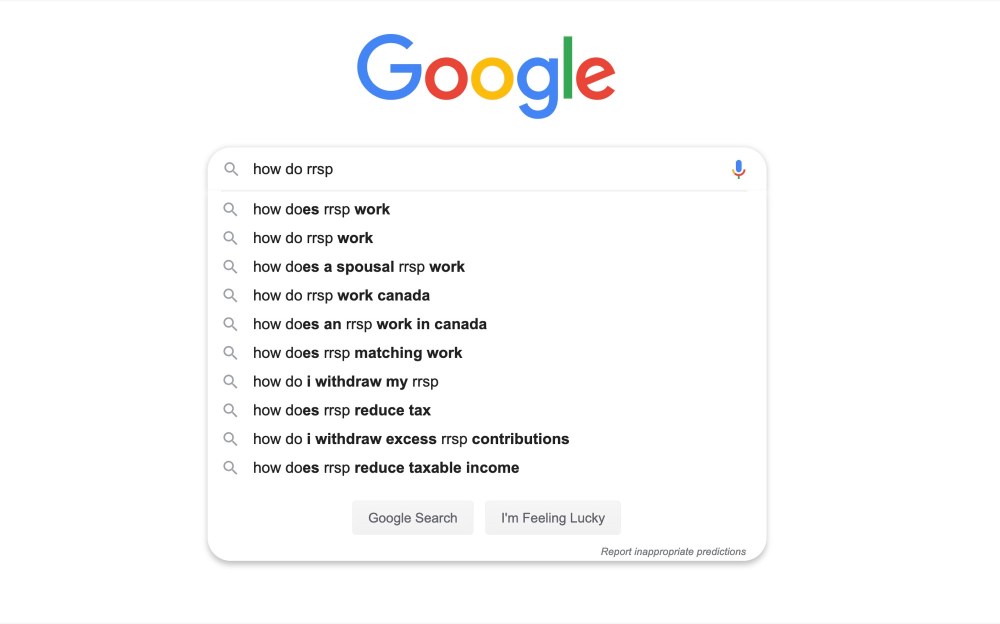
It can seem daunting to get started on something that won’t reach fruition for a long time, and it’s often unclear on where to start your RRSP journey.
To get an RRSP started, you’ll need to visit with a financial planner. However, there are online resources that go over the basics so you can arm yourself with knowledge.
Because the rules surrounding RRSPs are set by the federal government, its website has some resources that go over general rules and the definitions of relevant terms.
For instance, you can find the formula the Canada Revenue Agency uses to determine how much you and your spouse can contribute to an RRSP before withholding taxes get applied, find out what RRSP expenses can be deducted from your income taxes, find out what happens when you exceed your contribution limit and more at canada.ca/en/revenue-agency/services/tax/individuals/topics/rrsps-related-plans.html.
Statistics Canada has a lot of information about RRSPs. In 2017, the most recent year listed in their records, out of 26,807,670 people filing taxes, 5,966,630 of them contributed to an RRSP with a median annual contribution of $3,030. That represents approximately $42 billion in total contributions.
Of those contributors, 24 per cent were between 35 and 44 years of age. The median employment income for RRSP contributors was $62,720, almost double the median income of $35,000 for all Canadians in 2017.
Investing and financial advice website Investopedia has information on retirement savings plans in both the United States and Canada. Their guide on RRSPs goes over what an RRSP is, how they work in basic terms, what investments and savings can be part of an RRSP, how contributions and withdrawals are made and what happens when an RRSP expires.
Investopedia also has definitions and explanations for related terms and specific aspects of RRSPs. That information can be found at investopedia.com/terms/r/rrsp.asp.
Most financial institutions maintain a webpage explaining what RRSPs are and what their related services for them are. For example, RBC’s website has an RRSP calculator that lets users figure out how much money they’ll put away over time. TD Bank’s website has a chart showing what the key differences are between a tax-free savings account and an RRSP.
Sunrise Credit Union has different lists of tips for maintaining RRSPs for people at different stages of their lives. Fusion Credit Union outlines three different kinds of RRSPs they offer clients and how they differ from each other.
The Co-operators’ website has a list of frequently asked questions people have about RRSPs.
“With compound interest, if you invest money at the age of 26, it will be much larger than the same sum invested at the age of 36,” they wrote about the benefits of starting an RRSP while young.
Contributing to an RRSP lets you claim the total amount of your contributions on your tax return, so many of these websites recommend re-investing any tax refund you receive as a headstart on your RRSP contributions for the next year.
Another frequent tip is to consider having a spouse making a higher income contribute to the RRSP of a spouse making a lower income, which can lessen the tax burden on the higher earner.
A third common piece of advice is to not withdraw from your RRSP. When you do that, the money is immediately subject to taxes, except in certain circumstances.
Keep an eye out for more information about RRSPs appearing in Monday editions of the Brandon Sun for the next several weeks.
» cslark@brandonsun.com
» Twitter: @ColinSlark