
Gobeil pursues ‘true calling’
Advertisement
Read this article for free:
or
Already have an account? Log in here »
We need your support!
Local journalism needs your support!
As we navigate through unprecedented times, our journalists are working harder than ever to bring you the latest local updates to keep you safe and informed.
Now, more than ever, we need your support.
Starting at $15.99 plus taxes every four weeks you can access your Brandon Sun online and full access to all content as it appears on our website.
Subscribe Nowor call circulation directly at (204) 727-0527.
Your pledge helps to ensure we provide the news that matters most to your community!
To continue reading, please subscribe:
Add Brandon Sun access to your Free Press subscription for only an additional
$1 for the first 4 weeks*
*Your next subscription payment will increase by $1.00 and you will be charged $20.00 plus GST for four weeks. After four weeks, your payment will increase to $24.00 plus GST every four weeks.
Read unlimited articles for free today:
or
Already have an account? Log in here »
Hey there, time traveller!
This article was published 26/08/2020 (1958 days ago), so information in it may no longer be current.
After serving the Brandon Urban Aboriginal Peoples’ Council for five years as community co-ordinator, Jason Gobeil is leaving that role to join Dakota Ojibway Child and Family Services as its program co-ordinator for the Ohitika/Ogichidaa Warrior Men’s Program.
The change is a natural segue for him because even as he has worked to enhance the myriad relationships between Indigenous and non-Indigenous people for the City of Brandon, Gobeil has been working as an advocate for Indigenous men alongside Frank Tacan of the Brandon Friendship Centre. The two have had many discussions on what the men need to enhance their lives, as well as hosting a variety of workshops and circles, where men could speak frankly about hard topics.
The two also organized drum-making workshops with an intergenerational group of men and boys — fathers and sons, uncles and nephews, as well as grandfathers and their grandsons.
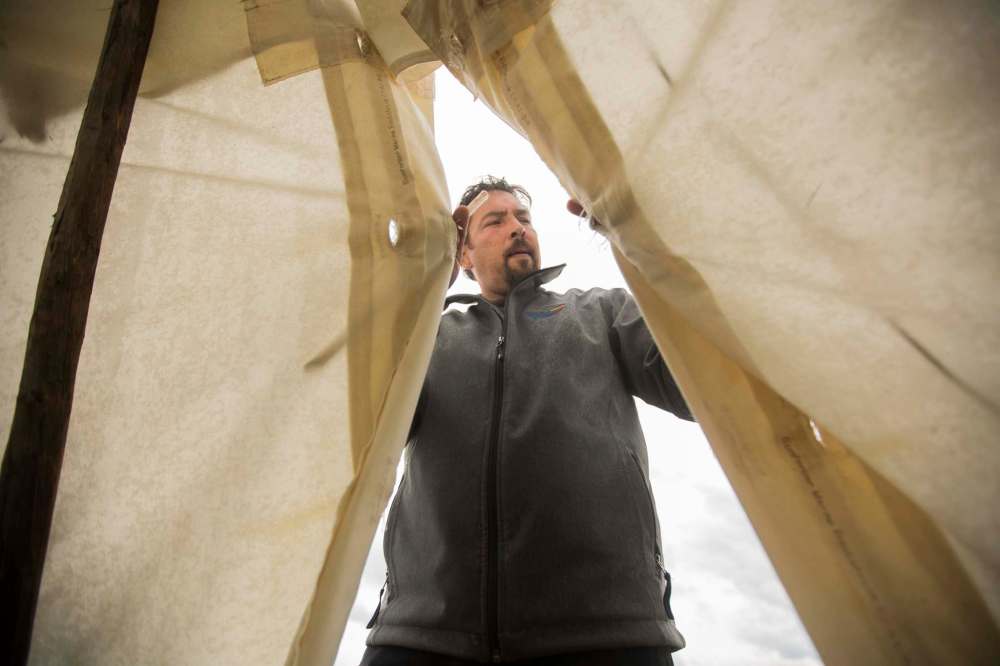
“(It was) a chance to open up that door in working with our hands again, in understanding what it meant to spend that quality time with a young person and sharing that knowledge and sharing those understandings and walking those steps together,” Gobeil said.
The Ohitika/Ogichidaa Warrior Men’s Program will see Gobeil working with men at First Nations communities in the region, as well as in Brandon, Portage la Prairie and Winnipeg.
“This is a true calling for me,” he said.
Turning to Dakota and Ojibway teachings and cultural practices, which will be land-based, will help men heal. The program includes a partnership with the international men’s health organization Movember, and a focus on its three pillars — prostate cancer, testicular cancer, and mental health and suicide prevention. Movember helps fund more than 1,200 initiatives globally.
Men are dying on average six years earlier than women, and for largely preventable reasons, according to the Movember website.
“Unchecked, prostate cancer rates will double over the next 15 years. Globally, testicular cancer is the most common cancer among men aged 15-39 years of age. And across the world, one man dies by suicide every minute of every day, with males accounting for 75 per cent of all suicides,” the website states.
In addition, a joint study released last year by the First Nations Health and Social Secretariat of Manitoba and the Manitoba Centre for Health Policy showed a gap in life expectancy between status First Nations and all other Manitobans sits at 11 years.
Gobeil said Indigenous men need to challenge themselves to understand their own body and their own wellness.
“That call back to the land is going to truly open that door for these men in understanding who they are, not only who they are personally, but where they fit into their community, where they fit into their household.”
As excited as Gobeil is about the work ahead of him, he is as proud of the work of the past five years at the Brandon Urban Aboriginal Peoples’ Council.
“The opportunities that we’ve built through (the council) and within the community here are only going to get better,” he said.
“They’re only going to open up more doors for new partners to sit at that table in understanding how we truly support each other. At the end of the day, we are all here to service and support a growing community, not ourselves.”
When Gobeil first started at the council, the Indigenous population and its accomplishments were not reflected in the community. In terms of initiatives and activities, Brandon had a Manitoba Metis Federation regional office and a Friendship Centre. Within the first year of his employment, the Truth and Reconciliation Commission released its report. He turned to Saskatoon as a model.
Gobeil thought that if a city like Saskatoon, in a province with a history of violent racism, could lead in working together for reconciliation, that would be a good place to start.
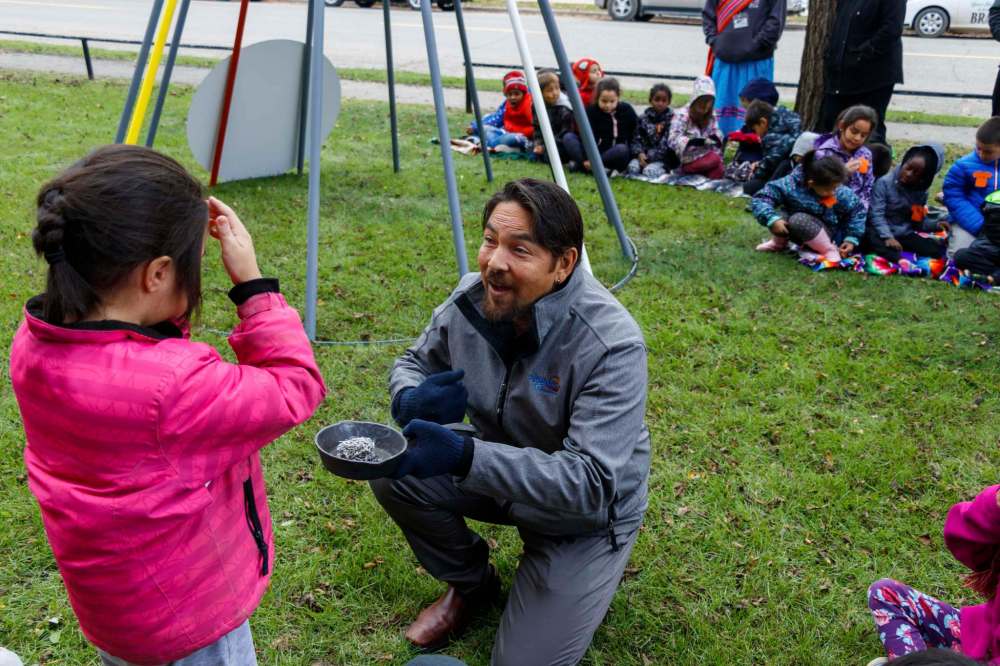
“It really helped understand the relationships and the trust-building exercises that we really needed to go into,” he said.
The council developed research because statistics were needed. It worked with Brandon University and Assiniboine Community College, as well as with Brandon agencies. Along with that, when the Indigenous population in the city sat at 16 per cent, came an Aboriginal Economic Strategic Plan.
“Big words. But what did it really tell us? What that showed me, in doing that work, was understanding that we had a social delivery component, as well. As much as we wanted economic prosperity, we needed to be responsive on the side of a social support services system,” Gobeil said.
“One of the biggest things that we have strived for in this community is just a belonging. A sense of belonging, a sense of acceptance, an opportunity to work alongside each other. Rather than against each other, we’re now looking at ways to collaborate. We’re looking at ways of building our own capacity from within. We are taking additional steps now in acknowledging and celebrating what we have right here in our community through the (Honouring the Good Road) gala.”
On a personal note, he said he didn’t grow up being proud of being Indigenous.
“To be able to understand those things and to have answered that call, and returning to ceremony, truly helped find me and root me in who I always knew I was,” he said.
“But I think I was just scared of what that meant and the responsibilities that are brought on. But I’ve grown into who I am and I have this community to thank for that because if I didn’t have their support, if I didn’t have their participation, I don’t know if I would have been as gung ho to continue to do what I do.”
He also credited the Brandon community for his growth and, specifically, Mayor Rick Chrest for being open-hearted and open-minded enough to understand the issues and to seek proper consultation.
» mletourneau@brandonsun.com
» Michele LeTourneau covers Indigenous matters for The Brandon Sun under the Local Journalism Initiative, a federally funded program that supports the creation of original civic journalism.