
Film conveys power of compassion, empathy in recovery
Advertisement
Read this article for free:
or
Already have an account? Log in here »
We need your support!
Local journalism needs your support!
As we navigate through unprecedented times, our journalists are working harder than ever to bring you the latest local updates to keep you safe and informed.
Now, more than ever, we need your support.
Starting at $15.99 plus taxes every four weeks you can access your Brandon Sun online and full access to all content as it appears on our website.
Subscribe Nowor call circulation directly at (204) 727-0527.
Your pledge helps to ensure we provide the news that matters most to your community!
To continue reading, please subscribe:
Add Brandon Sun access to your Free Press subscription for only an additional
$1 for the first 4 weeks*
- Enjoy unlimited reading on brandonsun.com
- Read the Brandon Sun E-Edition, our digital replica newspaper
*Your next Free Press subscription payment will increase by $1.00 and you will be charged $20.95 plus GST for four weeks. After four weeks, your payment will increase to $24.95 plus GST every four weeks.
Read unlimited articles for free today:
or
Already have an account? Log in here »
Hey there, time traveller!
This article was published 11/02/2022 (1700 days ago), so information in it may no longer be current.
A Canadian documentary being screened at the Brandon Friendship Centre Thursday will showcase an intimate portrait of the impacts of substance use and the overdose epidemic in Indigenous communities.
“Kímmapiiyipitssini: The Meaning of Empathy” filmmaker Elle-Máijá Tailfeathers spent five years bringing the story behind the movie together.
As a filmmaker, Tailfeathers felt compelled to create a documentary that combats harmful representations in the media while developing a tool for dialogue and education for Indigenous communities experiencing opiate crises, she said.
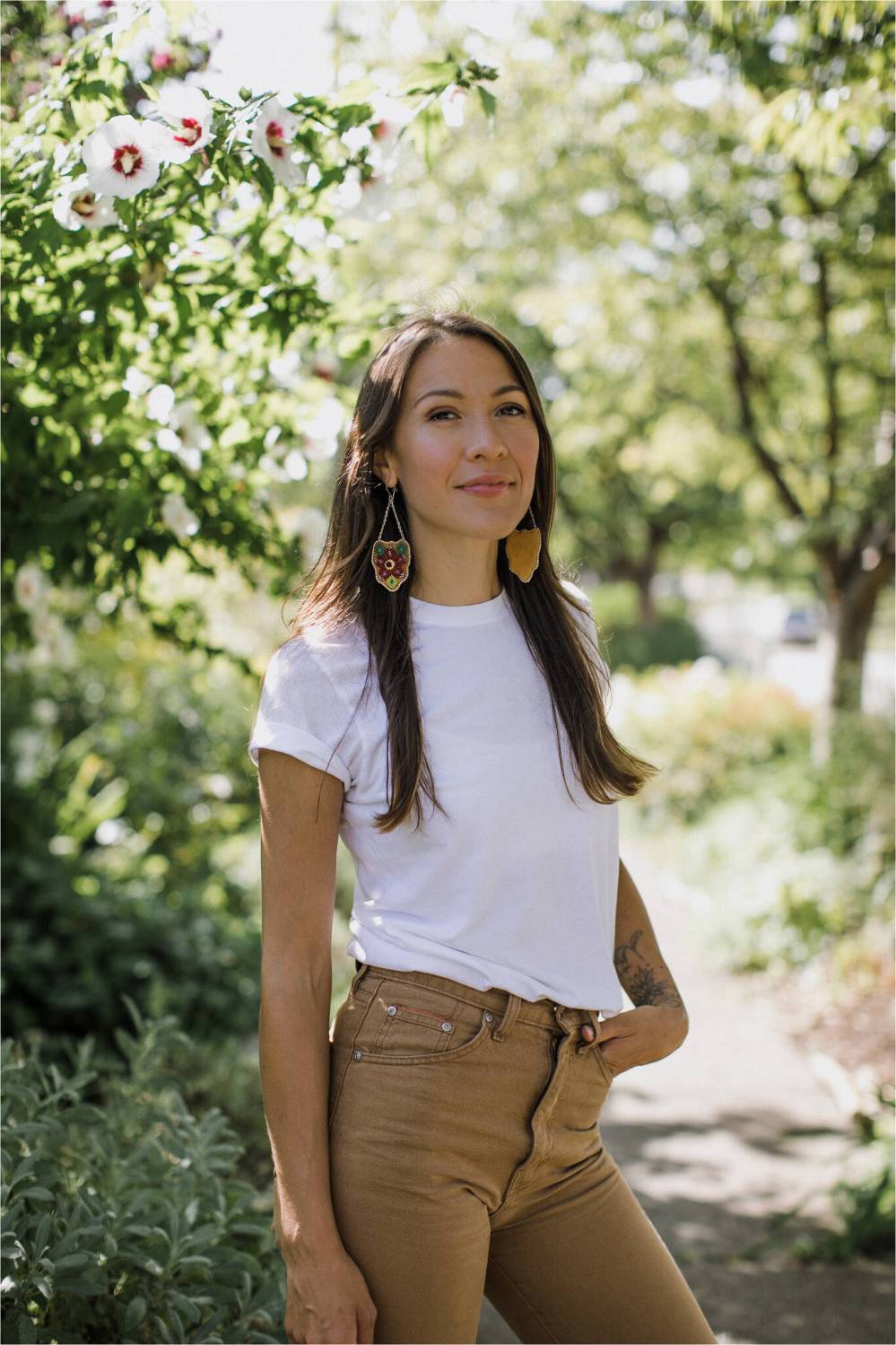
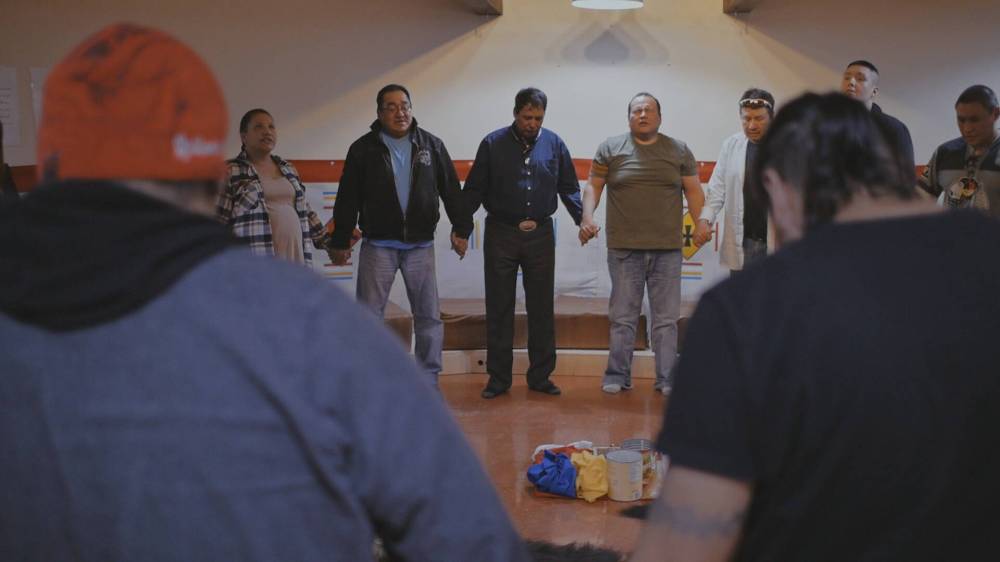
“Kímmapiiyipitssini” is centred on the change created by community members with substance-use disorders and first responders and medical professionals striving to establish harm reduction in the Kainai First Nation in southern Alberta.
The film showcases how empathy and compassion are woven into the practice of harm reduction.
“When I started making this film, I knew so little about the nature of addiction and harm reduction,” Tailfeathers told the Sun. “I understood addiction in what I’ve witnessed in my own family.”
She came to understand that healing from substance addiction is incredibly complicated and not as simple as joining a 12-step program or quitting “cold turkey,” from spending time with people with substance-use disorders.
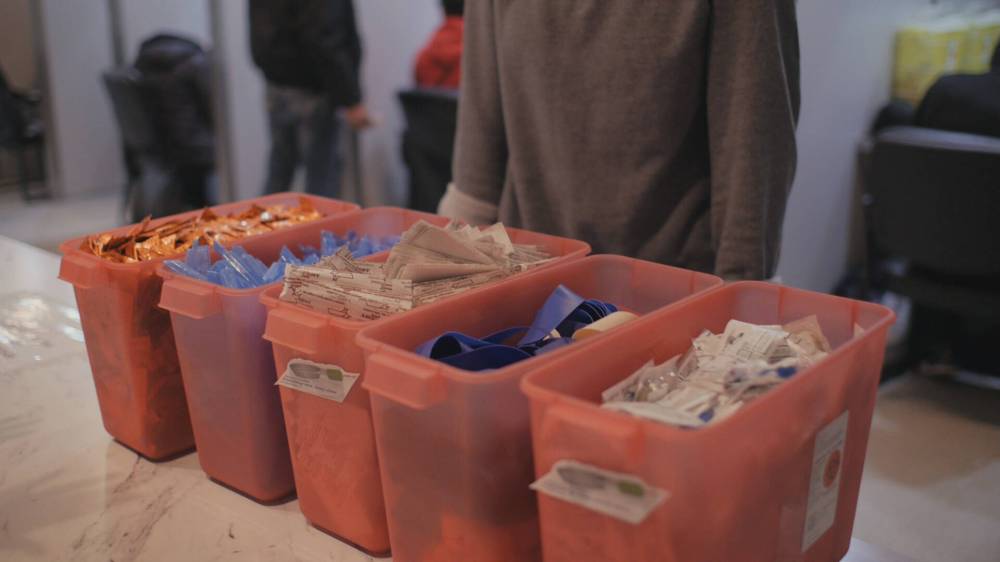
Harm reduction is not about enabling harmful behaviours, she explained, but about destigmatizing and offering alternative solutions to help people with substance-use disorders on their path to healing and recovery.
“The reason I took so long [creating “Kímmapiiyipitssini”] is because I really felt like I needed to give people an accurate portrayal in terms of voices and experiences that exist in our community … the nature of the doc is really following people’s journey, and so we decided we would just film until we felt we had reached some sort of resolution in the story in terms of harm reduction.”
She was inspired to create “Kímmapiiyipitssini” for several reasons — one of them being her mother is a medical physician working in the nation. Tailfeathers heard firsthand about the things her mother was witnessing on the frontlines and the impacts of grief and loss in the community.
“Most importantly, I witnessed the way that our community was mobilizing; there were so many people working tirelessly to find solutions and many of those solutions were quite radical in terms of implementing harm reduction.”
She hopes people who view the documentary watch with an open mind and heart, because they will bear witness to tough stories of addiction shared firsthand by those with lived experience.
“Know that the film is a really unique opportunity to hear from people deeply impacted by this crisis,” Tailfeathers said.
Talking about substance use in Indigenous communities is challenging because the media presents portrayals of her people framed through the lens of trauma, instead of showcasing the strength and hard work being undertaken by communities to create meaningful change.
She noted that in many cases, people living with addiction are left out of the conversation when it comes to programs, resources and solutions that can aid in healing.
People living with addictions are an invaluable resource, Tailfeathers said, because they have lived experience and knowledge that can assist in understanding barriers that prevent access to healing and the supports that can aid in recovery.
Tailfeathers hopes others will build on the story of substance use and harm reduction after watching the documentary. Viewers can learn from the experiences featured in “Kímmapiiyipitssini” and find solutions that can help their own communities.
“It was an incredible journey. I feel so blessed and honoured to have been able to witness and listen to people’s stories. It’s such a brave thing to do, to share your own special story,” Tailfeathers said.
Addictions advocate Kim Longstreet spearheaded bringing “Kímmapiiyipitssini” to Brandon as a teaching tool for service providers and community members.
The film will be screened at the Mahkaday Ginew Memorial Centre at 205 College Ave. from 1 to 4 p.m. Thursday.
The session will open with a prayer, smudge and conversations, before a screening of the two-hour documentary. After the film, a sharing circle will take place to hear the different opinions of those in attendance.
Organizations have already confirmed they will be in attendance for the screening, including the City of Brandon, Brandon Harm Reduction Network, the John Howard Society, Sioux Valley Dakota Nation and Brandon Police Services.
“We’re hitting the right notes of people who should be at the screening and taking that message away back to their locations about harm reduction and the need to use empathy when viewing people who are struggling with a substance use disorder,” Longstreet said. “You need to be watching it with an open heart. With the ability to think not negatively about the person who is struggling, but think all the things that have brought them to that moment and how empathy is the thing that will bring them through it.”
“Kímmapiiyipitssini” is part of a changing conversation about healing as opposed to punishing those with substance-use disorders.
One of the people featured in the documentary highlights how those with substance use disorders are not trying to glorify addiction, but are instead trying to respect and honour the people who have an addiction.
“When you start doing that and treating people like a human being and that they are deserving, then you’re going to see them progress. But, as long as you treat them as less than and [like they] do not deserve to be treated or have resources, then they are going to keep struggling,” Longstreet said.
Substance use in Brandon and Manitoba
Ross Robinson, the executive director of the John Howard Society of Brandon, said addictions and substance abuse have been issues in the city for generations, but the illicit drug trade in Brandon and the abundance of methamphetamines are becoming more concerning.
In Manitoba, 372 people died from drug poisoning between January and December 2020. From January to September 2021, there were 314 lives lost due to drug poisoning in the province.
“The downtown is a microcosm. The difference between downtown and other neighbourhoods in Brandon is it’s visible,” Robinson said. “In other neighbourhoods in Brandon, it’s behind closed doors and it’s invisible.”
The use of mood-altering substances is not restricted to one community or culture, he said, and their damage is felt across Brandon, Manitoba and Canada.
The crisis is something that will take ongoing work to fix, he said, on top of the countless hours that have already been undertaken by service providers.
Documentaries like “Kímmapiiyipitssini” give a face to substance abuse and drive home that “there is always more to learn and understand” when it comes to these social issues.
At the John Howard Society, staff see the effects of drug use daily.
“One person’s drug use impacts everybody around them and reduces the effectiveness of what we’re trying to achieve,” Robinson said.
He hopes conversations are shifting toward empathy and healing as opposed to punishment and retribution for those with substance-use disorders.
Service agencies do their best to understand the problem, he said, but there will always be a section of society that wants to ostracize those experiencing substance use.
One of the major changes fuelling the emphasis on empathy when talking about substance use has been truth and reconciliation.
Efforts are being put forward and people are gaining a better understanding of the cultural issues that surround any type of drug use and the damage done by colonization.
“The fact [that] people address it through self-medication is easier to grasp these days than it was 15 years ago,” Robinson said. “We are having these conversations, even if it’s at the infancy stage of things.”
Listening to those affected by substance use
Douglas Gerrard, an Indigenous spiritual care provider and John Howard Society board member, works one-on-one with individuals experiencing substance addiction, including addiction to methamphetamines.
His pressing concern is the root causes that lead to substance abuse.
“Many of the root causes are neglect, child care and mainstream society’s institutions,” Gerrard said. “Trauma affects them coming here. When you’re told negative things in your life, throughout your life you’re going to think that. What better way to eliminate that [than] through drug use or alcohol?”
This is why it’s important to help those with addictions heal.
It is difficult to establish effective resources and supports for Indigenous folks, Gerrard said, because they have non-Indigenous people and organizations leading campaigns and developing programs and committees targeted toward harm reduction and addictions recovery.
There is a need to foster Indigenous-led programs and committees to help create solutions that aid in recovery and healing.
“Until we have our own people in there, nothing is going to change,” he said.
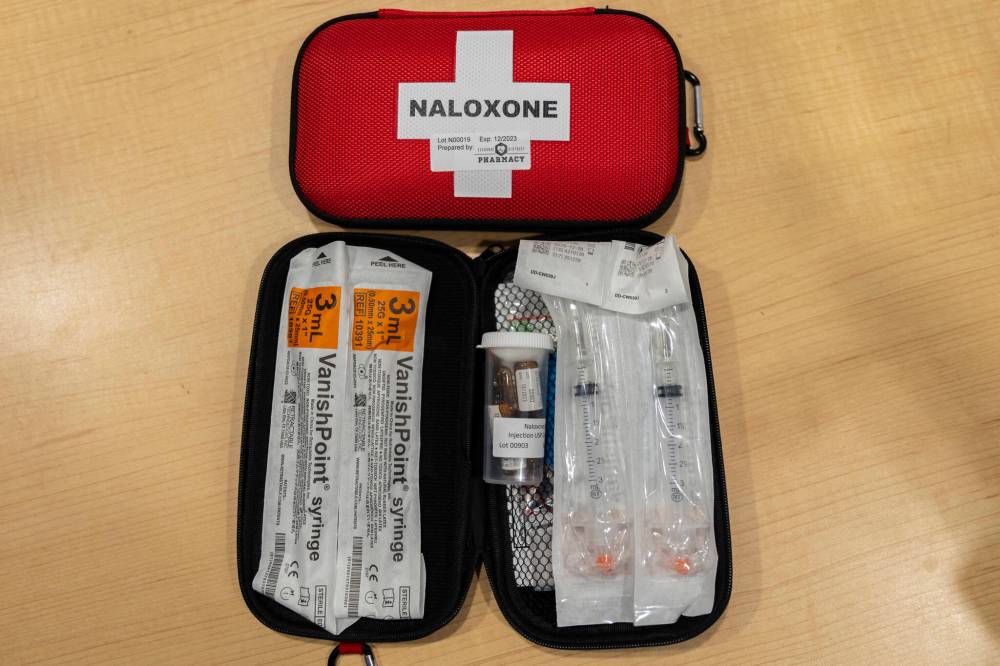
Gerrard added mental health must also be woven into the conversation when talking about substance-use disorders. Supporting positive mental health and wellness needs to be part of the dialogue, and include Indigenous perspectives and spirituality.
These issues speak to the larger need for systemic change in society to ensure Indigenous voices are heard and can help implement changes.
“Let us take over a little, give us some reigns now,” Gerrard said. “Until that happens, we’re going to continue on this road.”
Approaching substance use with humility and forgiveness allows advocates to work and develop relationships with those looking to heal from addiction. Gerrard added these steps need to include access to Indigenous languages, cultures and knowledge to help people re-establish their identity.
“They lost who they are and that’s hard to see. You feel bad on the street when you walk or drive — that’s your brother, that your uncle, it could be your dad,” Gerrard said. “Those are our siblings, that’s what we have to think.”
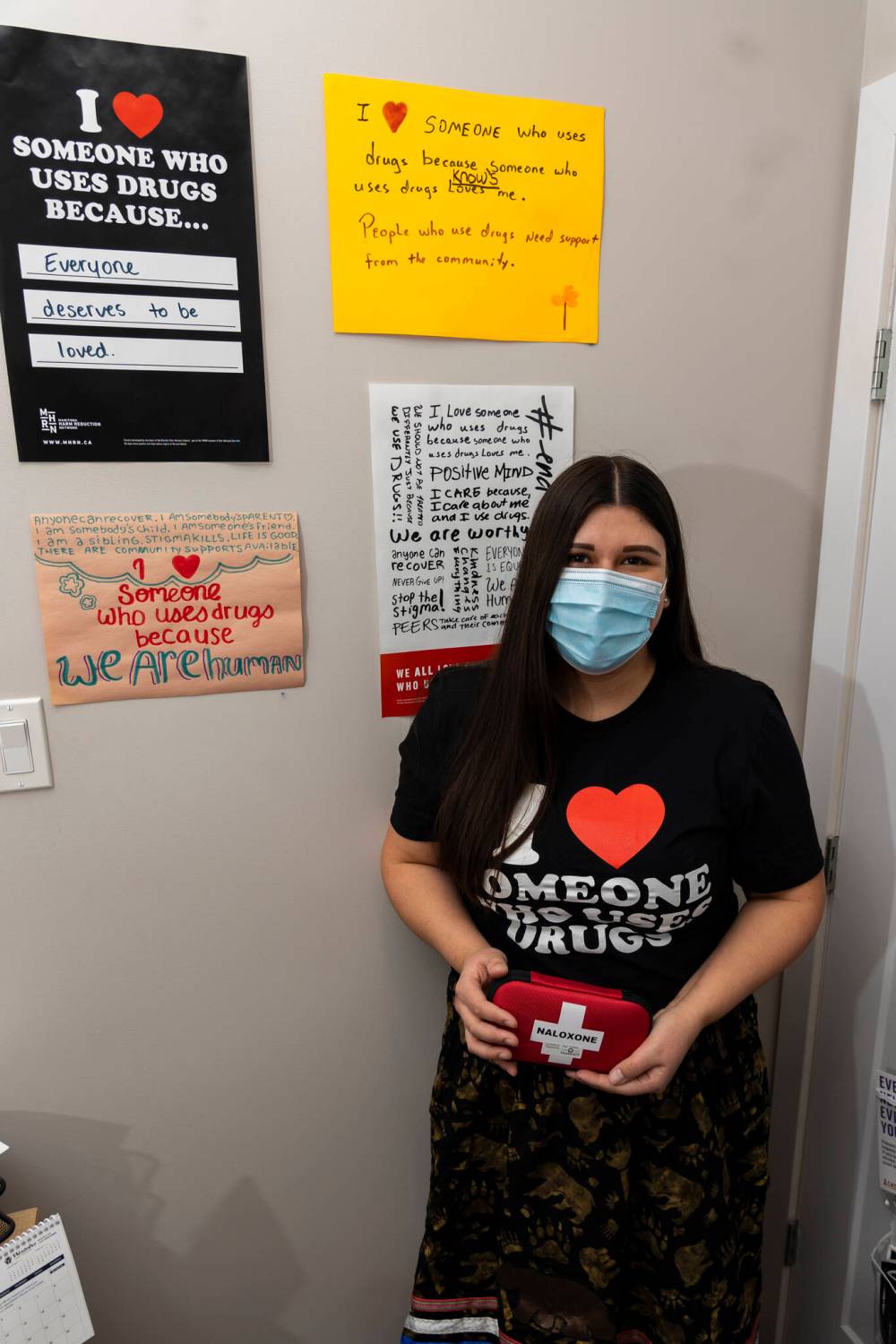
Brandon Harm Reduction Network co-ordinator Solange Machado said those with lived experience play a pivotal role in understanding the experience of substance abuse and recovery resources and programs.
“People being able to see people living in that lifestyle firsthand, [“Kímmapiiyipitssini”] being a movie with lived experience, I think will really help people put themselves in the shoes of other people who deal with the similar things day in and day out,” Machado said. “I hope that people really come into this screening with an open mind and willingness to learn. I think it really will be a positive learning experience and an opportunity for people to see things from a different perspective.”
The change has been slow in Brandon, Machado said, but she is seeing conversations taking place.
“Education and knowledge are power. People are starting to value hearing from people with lived experience and seeing the importance that having people with lived experience in everything, especially decisions that are impacting them.”
Including those with lived experience in conversations about healing has positive benefits, she said. It can create a seismic shift when they meet someone who uses substances and learns their story. These connections foster compassion and empathy as their eyes are opened to the bigger issues around substance use in the community.
“It’s kind of simple in a way — treating everyone with kindness and respect, no matter if they use drugs or not, and no matter if you support their life decisions or not,” Machado said. “The way you word a sentence can really impact how much the person wants to share with you — it’s really just showing that empathy.”
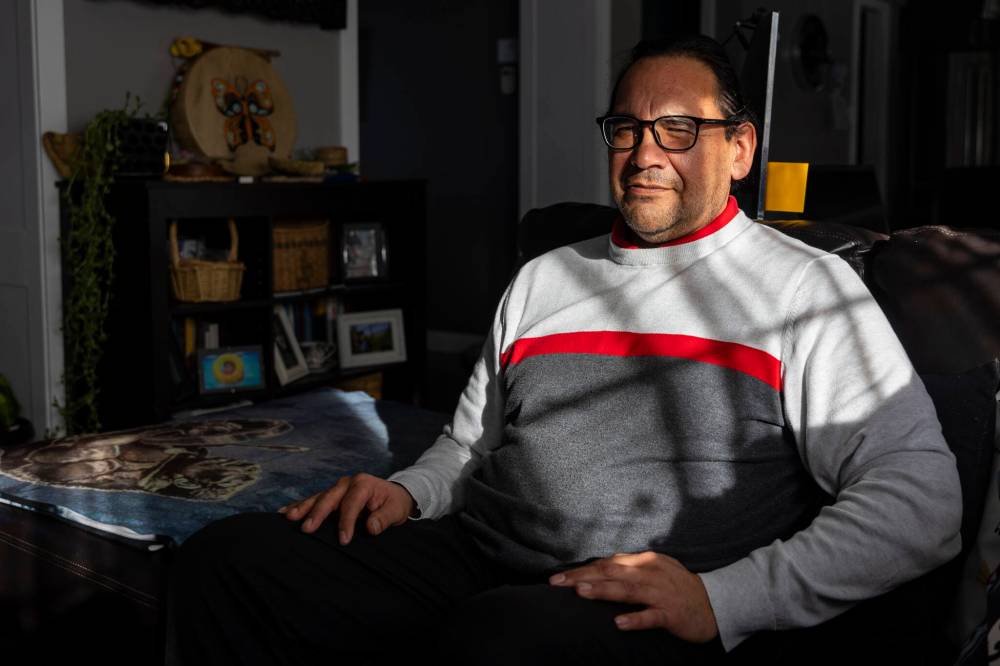
When talking about those experiencing substance use disorder, she said, to focus on the facts of the person’s behaviours as opposed to the substance.
It is incredibly challenging to be a family member of someone who uses substances, she said, because there is a need to respect a person’s decisions. One can provide a person with a substance-use disorder resources and information, but at the end of the day, they are autonomous and have the right to make their own choices.
“We’re not always going to like our family members or our friends’ decisions, but we still need to respect those decisions and support them where they are at. The most important thing is to help the person stay safe … rather than trying to tell them where they should be.”
Recovery from addiction is difficult because many services have barriers in place, preventing access to help. For example, some services require sobriety for a set number of days before resources are available.
A mix of abstinence perspectives is available, but harm reduction approaches are harder to come by and access.
“We’re really lacking in Brandon a place for someone to go for that intersectional care, where they can get mental health support at the same time as addictions support, and getting those supports together,” Machado said.
» ckemp@brandonsun.com
» Twitter: @The_ChelseaKemp