
Private life not employers’ business, prof says
Advertisement
Read this article for free:
or
Already have an account? Log in here »
We need your support!
Local journalism needs your support!
As we navigate through unprecedented times, our journalists are working harder than ever to bring you the latest local updates to keep you safe and informed.
Now, more than ever, we need your support.
Starting at $15.99 plus taxes every four weeks you can access your Brandon Sun online and full access to all content as it appears on our website.
Subscribe Nowor call circulation directly at (204) 727-0527.
Your pledge helps to ensure we provide the news that matters most to your community!
To continue reading, please subscribe:
Add Brandon Sun access to your Free Press subscription for only an additional
$1 for the first 4 weeks*
- Enjoy unlimited reading on brandonsun.com
- Read the Brandon Sun E-Edition, our digital replica newspaper
*Your next Free Press subscription payment will increase by $1.00 and you will be charged $20.95 plus GST for four weeks. After four weeks, your payment will increase to $24.95 plus GST every four weeks.
Read unlimited articles for free today:
or
Already have an account? Log in here »
Hey there, time traveller!
This article was published 04/03/2022 (1697 days ago), so information in it may no longer be current.
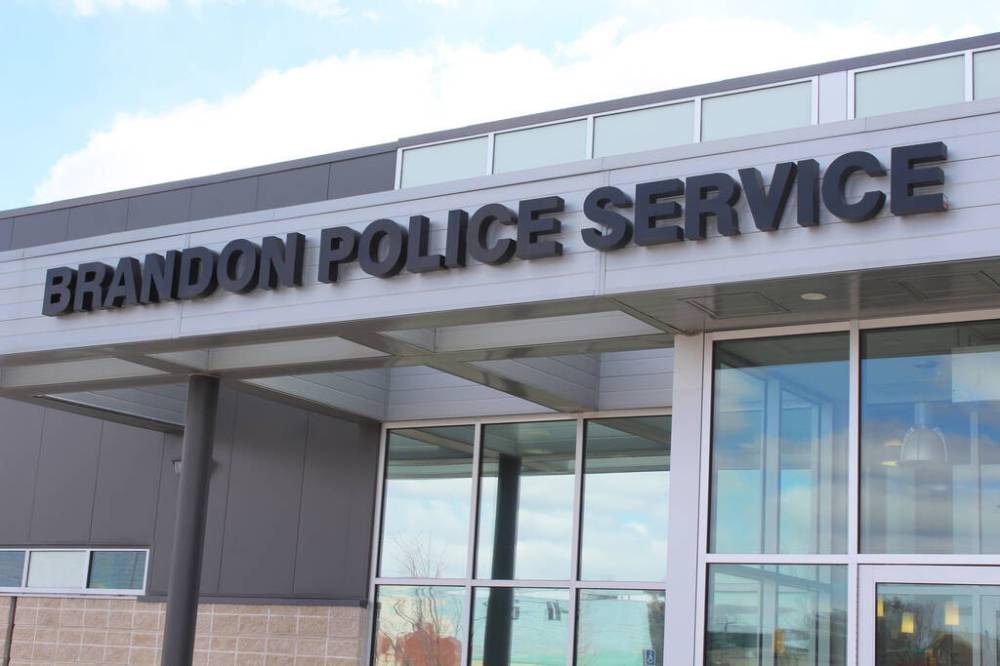
In the wake of a decision in a civil lawsuit involving the Brandon Police Service and the distribution of an employment candidate’s intimate photos, a Brandon University professor says employers have no business getting involved with what consenting adults do in the bedroom.
Brittany Roque sued Terry Lynn Peters for sharing Roque’s intimate images without her consent. The trial was heard virtually in mid-February 2021. The City of Brandon is listed as a third party in the lawsuit.
On Wednesday, Justice Sandra Zinchuk found both Peters and the city jointly and severally liable for general damages of $45,000 and Peters liable for aggravated damages of $15,000.
“The justice suggested that the images were not in the public interest and I wholeheartedly agree with that judgment, I think it’s correct,” said Chris Schneider, a BU sociology professor who has written extensively about the police and co-authored an upcoming book titled “Defining Sexual Misconduct — Power, Media and #MeToo.”
“It’s another case to remind the public that it’s inappropriate — and can be illegal — to share people’s intimate images without their consent. Given that the judgment is in relation to and about the police service, I think it might get heightened media coverage or more attention than other cases of unknown persons to the public.”
Furthermore, Schneider feels that the situation is worse because it was police who violated someone’s privacy. He said they “absolutely” should have known better than to distribute these images and that the public should know better if they encounter a similar situation.
For example, if someone wants to show off intimate pictures of their partner, the first question should be if the person depicted in the photos knows about them being shared. If not, the pictures should be refused.
“This is a person’s private life,” Schneider said. “The distribution of images in this way and in most ways is intended to shame people. It’s gross and reminiscent of slut-shaming. The police should know better.”
One of the arguments in the case was that the police need to know if potential recruits are vulnerable to being blackmailed or coerced.
“The question becomes, does the police service need to know about a person’s private sexual life?” Schneider asked. “The answer is absolutely not. Can the person be bribed or blackmailed? It depends on the content of the images. For example, if the images are criminal or have a criminal element to them — like child pornography, elements of beastiality — then yes, the police service should want to know about that. But if they’re just private images between consenting adults, no.”
After Friday’s first Brandon Police Board meeting of the year, BPS Chief Wayne Balcaen said his organization was still reviewing the case and the findings and was not yet ready to comment on the decision.
City of Brandon solicitor Rex Osivwemu told the Sun on Friday an outside law firm was doing the review of the case.
Brandon Police Association president Darren Creighton called the situation “unfortunate.”
“This whole situation is unfortunate, that it came to this and it got this far. Definitely, there’s a victim involved and the association gives the person all the credit in the world to have the character, because this wouldn’t have been easy coming forward,” he said.
Creighton said he believes a review of the situation at the time would have been positive. If one happens in the future, he said the union would “help and support.”
The Sun also contacted several law professors and other experts, but they declined to speak on the record, citing the sensitive nature of the case.
In the decision, Zinchuk said BPS deputy chief Randy Lewis viewed Roque’s images without her consent, which “substantially, and unreasonably violated her privacy.”
In a statement, a provincial spokesperson said the report from the Independent Investigations Unit of Manitoba, the provincial police watchdog, “speaks for itself.” The civilian-led agency did not recommend charges against any member of the Brandon Police Service executive.
“It is important to note that it was completed from the perspective of whether criminal or quasi-criminal charges could/should be pursued. The burden of proof, or standard of review is different in a civil suit which could lead to a different interpretation of whether there was a breach of the Privacy Act.”
» dmay@brandonsun.com
» Twitter: @DrewMay_