
Advocates, MLA seek accurate overdose numbers
Advertisement
Read this article for free:
or
Already have an account? Log in here »
We need your support!
Local journalism needs your support!
As we navigate through unprecedented times, our journalists are working harder than ever to bring you the latest local updates to keep you safe and informed.
Now, more than ever, we need your support.
Starting at $15.99 plus taxes every four weeks you can access your Brandon Sun online and full access to all content as it appears on our website.
Subscribe Nowor call circulation directly at (204) 727-0527.
Your pledge helps to ensure we provide the news that matters most to your community!
To continue reading, please subscribe:
Add Brandon Sun access to your Free Press subscription for only an additional
$1 for the first 4 weeks*
- Enjoy unlimited reading on brandonsun.com
- Read the Brandon Sun E-Edition, our digital replica newspaper
*Your next Free Press subscription payment will increase by $1.00 and you will be charged $20.95 plus GST for four weeks. After four weeks, your payment will increase to $24.95 plus GST every four weeks.
Read unlimited articles for free today:
or
Already have an account? Log in here »
Hey there, time traveller!
This article was published 16/03/2022 (1652 days ago), so information in it may no longer be current.
Substance use has claimed many lives, and those trying to turn the tide of addiction say it’s time to have accurate data to help modernize Manitoba’s outreach and recovery services.
Bernadette Smith, the NDP critic for mental health and addictions, is working to get The Fatality Inquiry Amendments Act (Bill 217) passed in the legislature to get the provincial government to change how it collects data on the number of people who die from overdose, as well as which drug they had used. It also calls for making this information more accessible to stakeholder groups.
The bill didn’t pass the last time it was presented.
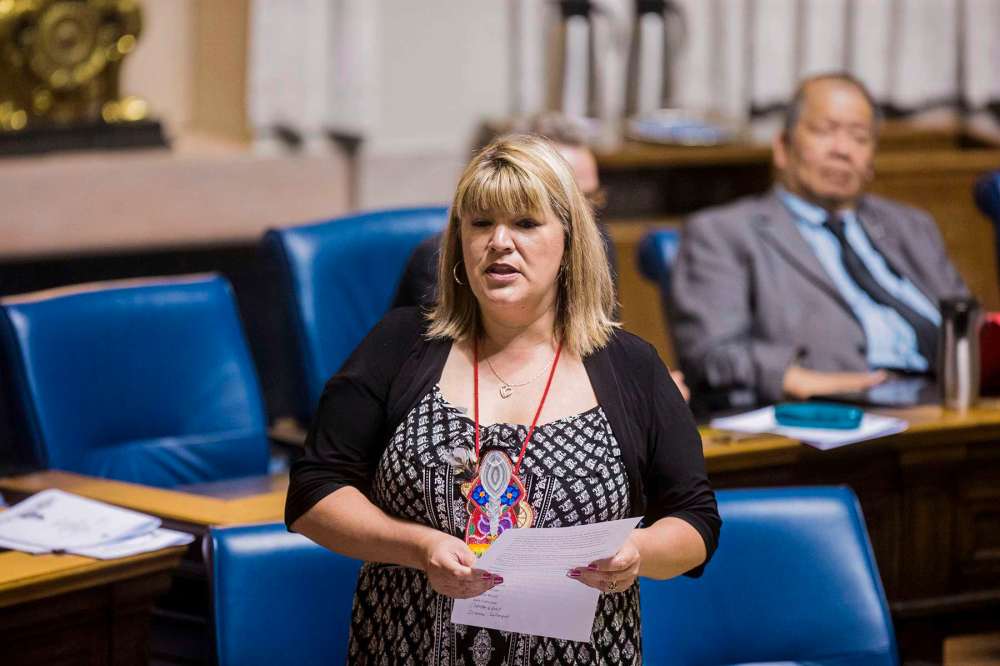
Smith stressed this isn’t her bill or the NDP’s bill — it is one created by advocacy groups and families of people who have substance disorders or lost a loved one to substance poisoning.
She has met with many people, including groups in Brandon on Sunday, to discuss the details of the bill and the enormity of the issues they are facing that could be alleviated if the bill becomes law.
“This is for people struggling to keep their loved ones alive,” she said. “This isn’t a money bill. It’s basically using the resources they have and reforming it. They could put this on a website so they can inform the community and frontline staff about what drugs were overdosed on. It’s also about helping the government save lives strategically.”
Manitoba is the only province that doesn’t collect data on overdoses, Smith said. This information could help frontline staff know which types of drugs people are using to help get them proper care. It would also help those dealing with substance disorders find resources, like getting their drugs tested, avoiding certain kinds or using in a safe consumption site.
Consumption sites are critical to saving lives, Smith said. These are also sites where people can get help for their own disorders, or turn into mentors to help others.
Having access to regularly updated data from the province would hopefully prevent future overdose deaths, said Solange Machado, co-ordinator for the Manitoba Harm Reduction Network in Brandon.
Machado met with Smith and they discussed what is needed. Getting information late is discouraging, she said, because it doesn’t show the full scale of substance disorders.
“This will hold the province accountable and hopefully save lives,” she said.
The network received a grant from the Canadian Institute for Substance Use Research for a harm reduction survey in Brandon. In terms of which services could be provided, respondents asked for more mobile services and other outreach. Respondents also wanted increased support for peers who want access to the opioid substitution therapy program at the Rapid Access to Addictions Clinic.
They also called for additional peer education programming, including how to respond when someone else is experiencing an overdose.
As a group, they are writing letters to MLAs, encouraging them to support Bill 217. They also plan to release a petition within the next two weeks to gather signatures in support of the bill.
Having accurate information about overdoses would definitely help groups plan and tailor programming. Longtime advocate Kim Longstreet said she would welcome the bill and changes to how data is collected. Manitoba and other Prairie provinces have a “closed-mind” mentality in dealing with substance disorders, she said.
“When a bill like this comes forward, it is another reason to bring shame to the issues felt across our province and your country,” she said. “By not supporting this bill, what you are saying is that lives don’t matter.”
People who overdose on substances are not remembered by name, just a number, she said. Even in Brandon, Longstreet has heard of and from many people who are dealing with substance disorders but are afraid to come forward due to the stigma and risk of being judged as addicts or criminals.
If the government does support the bill, she said it could be a turning point; the government would not only be assisting the advocates in their endeavours, but modernizing its own health-care system to help Manitobans.
The breadth and depth of substance disorders are getting more attention from health officials. Manitoba auditor general Tyson Shtykalo said earlier this week he will scrutinize provincial addictions services as part of a broader review into supports offered to people trying to get help for their disorders.
Calling it a matter of public interest, he selected the audit because “problematic substance use and addictions can have devastating impacts on those affected, as well as those around them.”
The Sun contacted the Ministry of Mental Health and Community Wellness and the Ministry of Justice for comment but didn’t receive a response by press time.
» kmckiney@brandonsun.com, with files from the Free Press
» Twitter: @karenleighmck1