
Local advocates optimistic about end to blood ban
Advertisement
Read this article for free:
or
Already have an account? Log in here »
We need your support!
Local journalism needs your support!
As we navigate through unprecedented times, our journalists are working harder than ever to bring you the latest local updates to keep you safe and informed.
Now, more than ever, we need your support.
Starting at $15.99 plus taxes every four weeks you can access your Brandon Sun online and full access to all content as it appears on our website.
Subscribe Nowor call circulation directly at (204) 727-0527.
Your pledge helps to ensure we provide the news that matters most to your community!
To continue reading, please subscribe:
Add Brandon Sun access to your Free Press subscription for only an additional
$1 for the first 4 weeks*
- Enjoy unlimited reading on brandonsun.com
- Read the Brandon Sun E-Edition, our digital replica newspaper
*Your next Free Press subscription payment will increase by $1.00 and you will be charged $20.95 plus GST for four weeks. After four weeks, your payment will increase to $24.95 plus GST every four weeks.
Read unlimited articles for free today:
or
Already have an account? Log in here »
Hey there, time traveller!
This article was published 29/04/2022 (1601 days ago), so information in it may no longer be current.
The decision to end restrictions on gay and bisexual men donating blood is a step toward inclusion, says a local LGBTQ advocate, but hurdles remain for full equality.
A new policy by Canadian Blood Services, which has been approved by Health Canada, removes a restriction where men were ineligible to give blood within three months of having sex with another man.
Instead, the blood donation service will begin screening blood and plasma donors for high-risk sexual practices regardless of sexuality, such as anal sex with “new or multiple recent partners.” The new rules are expected to take effect by Sept. 30, 2022.
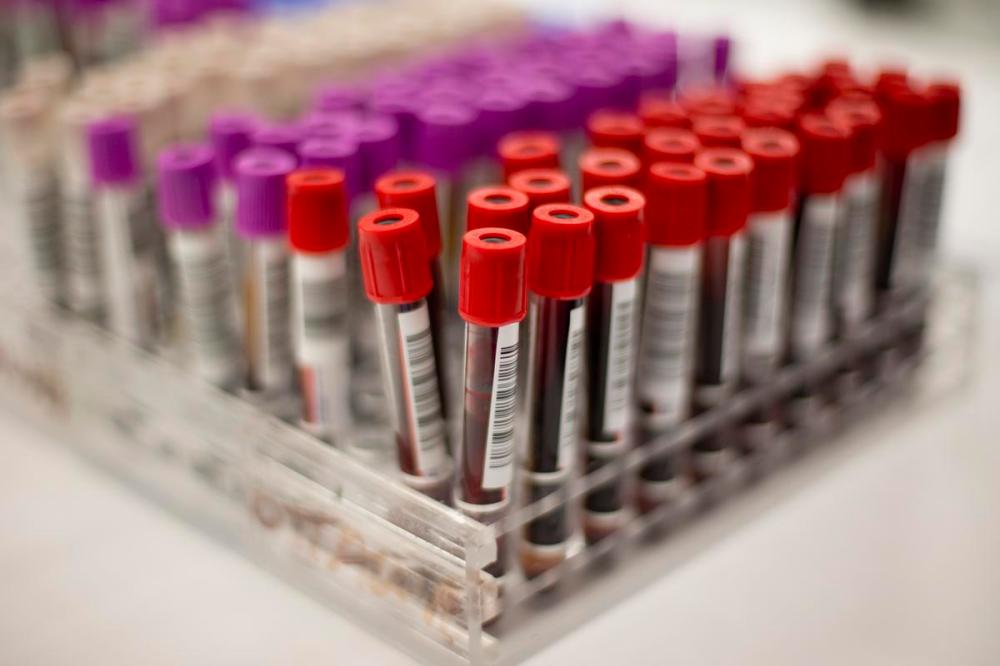
“Canadian Blood Services’ goal is to stop asking men if they’ve had sex with another man and instead focus on high-risk sexual behaviour among all donors,” reads the Canadian Blood Service’s policy.
The ban was first enacted in 1992 after thousands of people were infected with HIV in the 1980s and 1990s after receiving donated blood. At the time, blood was not properly tested for contamination.
The move has been a long time coming, said Kenneth Jackson, chairperson of Brandon Pride.
“It did directly affect the LGBT community and their ability to donate blood purely based on sexuality and orientation,” he said.
“At least one piece of a painful chapter in LGBT history in Canada is being put aside.”
The change away from asking donors for their sexual orientation is a big step, he said, but it’s a double-edged sword for the community.
“At least the rules are the same across the board, but by targeting certain sexual practices such as anal sex, it’s going to look to a lot of people like there’s still kind of pinpointing especially gay men and there’s going to be some in the community that are not OK with that.”
Jackson said he hopes more research is done on the spread of HIV and how blood-borne diseases transmit, but removing an outright ban on men who have sex with men from donating is a first step.
Now, Jackson said he would “definitely” consider donating blood.
“I keep thinking of the number of people who their lives could have been saved if there had been more blood resources out there and possibly rare types of blood resources,” he said.
“I think it’s also just about having that choice to do something good for the community and society and not banning a group of people from contributing.”
The policy change will also make education around sexually transmitted diseases more consistent, said Jared Star, co-executive director of the Sexuality Education Resource Centre.
“When we provide education in the community to youth and to community members, we have to answer questions from them about why this policy has existed and we know it has not been based in scientific fact,” he said.
The previous policy was discriminatory, he said, and now applies universally to everyone. The change is a big and positive step, but Star said more could be done to destigmatize sexuality.
“Now the spotlight has shifted from one thing to another and the way we talk about sex needs to be positive, the way we teach our … communities about sex needs to be positive, so I think there’s going to be more work to be done.
» dmay@brandonsun.com
» Twitter: @DrewMay_