
How our final resting place is changing with the times
Advertisement
Read this article for free:
or
Already have an account? Log in here »
We need your support!
Local journalism needs your support!
As we navigate through unprecedented times, our journalists are working harder than ever to bring you the latest local updates to keep you safe and informed.
Now, more than ever, we need your support.
Starting at $15.99 plus taxes every four weeks you can access your Brandon Sun online and full access to all content as it appears on our website.
Subscribe Nowor call circulation directly at (204) 727-0527.
Your pledge helps to ensure we provide the news that matters most to your community!
To continue reading, please subscribe:
Add Brandon Sun access to your Free Press subscription for only an additional
$1 for the first 4 weeks*
- Enjoy unlimited reading on brandonsun.com
- Read the Brandon Sun E-Edition, our digital replica newspaper
*Your next Free Press subscription payment will increase by $1.00 and you will be charged $20.95 plus GST for four weeks. After four weeks, your payment will increase to $24.95 plus GST every four weeks.
Read unlimited articles for free today:
or
Already have an account? Log in here »
Hey there, time traveller!
This article was published 08/07/2022 (1525 days ago), so information in it may no longer be current.
Family and legacy is everything to Michael Clark, even in death.
Five generations have lived on his farm and apiary near the Municipality of Treesbank, about 20 kilometres south of Shilo. The headwaters of the Assiniboine and Souris rivers are a short drive from where his current home, uncle’s home, great-grandfather’s original home and several other historical buildings reside. Driving along the edge of the river, which is the northern border of his property, he points out where the first Land Titles building in the region used to be, where settlers purchased their land to build their own legacies.
Even an old outhouse, a group of pine trees Clark planted at six years old, and a friend’s now-abandoned camp still stand, and he is happy to talk about the history.
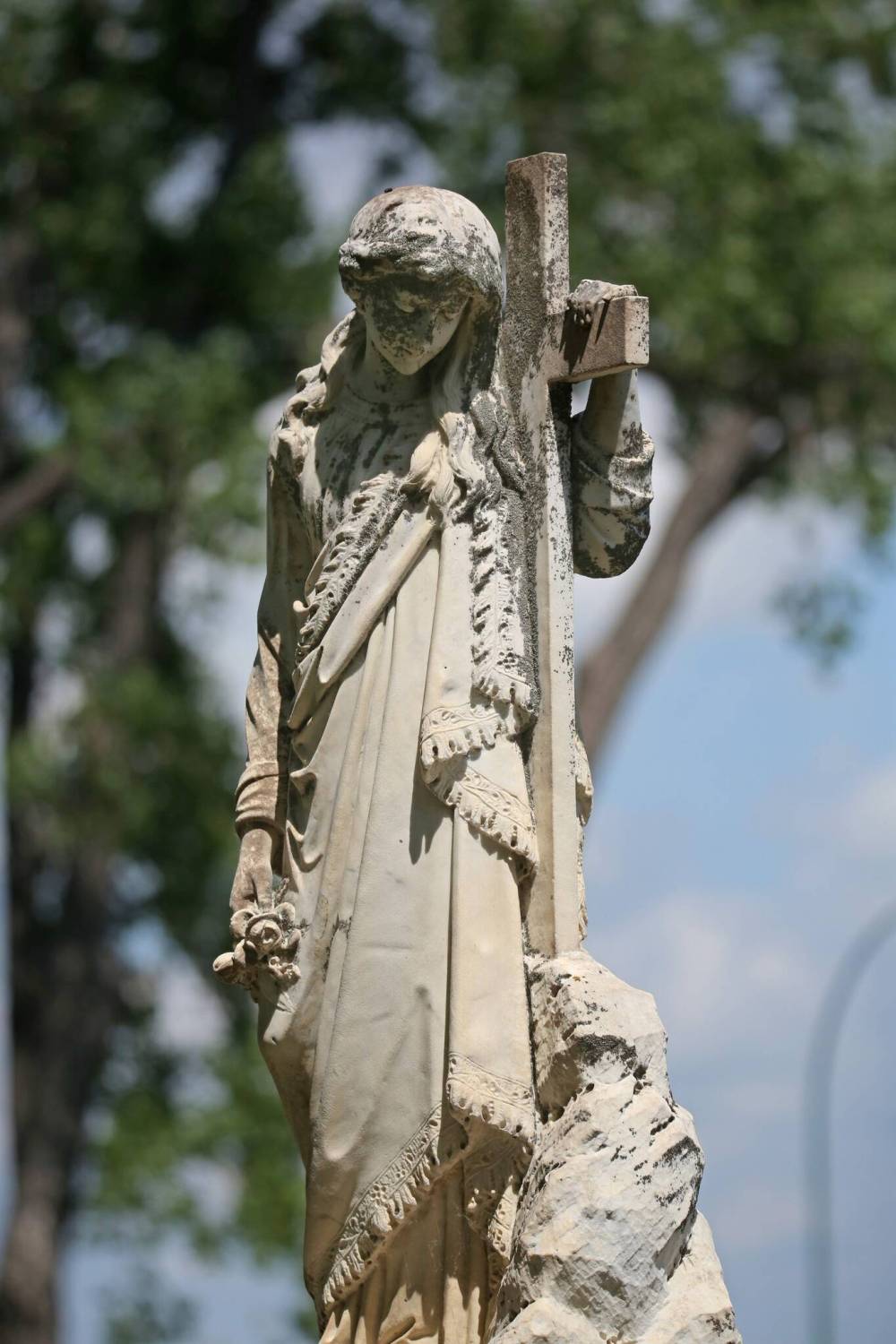
“I always have extended family coming to my home for anniversaries, birthdays, weddings and vacations,” Clark, 42, said. “We had a fire a couple years ago and we built the house bigger than we needed so there would be room for whoever came here.”
All of this means the world to him and he wants to stay with it even after he draws his last breath.
The pandemic made him think more about what he wants done with his remains and like his forebearers, he wants to be buried on his land, if it can be done.
“I thought about it a lot and during COVID, we spent a lot more time at home and I think we should be allowed to be buried on the land we’ve built our lives on,” he said. “Back during the pioneer days, families had private cemeteries and as people lived and died, they were added to the plots. I’m sure there are people from that time buried along the river.”
He chuckles over how wanting to be buried on his family’s land is considered odd, even though being buried on or near one’s farm was normal in the past. Small, private cemeteries used to be common and he’s sure many people are buried in now forgotten cemeteries located on what used to be working farms.
He isn’t against public cemeteries, he said. While working and travelling between fields he has crops in, or helping family and friends with theirs, he will often break for lunch near the small cemeteries scattered across the countryside. They are peaceful, he said, and often fascinating to see who is buried there, the monuments and the respect given to the grounds.
All he wants is for his family to be together on the land they helped developed.
Clark is not alone in his desires. The question of how to memorialize ourselves used to have only a few options: placed in a casket and buried in a cemetery, laid to rest in a crypt, donated to science, or cremated and ashes either scattered on a chosen spot, or kept in an urn to be placed in a mausoleum or loved one’s home.
Now there is a wider variety of options thanks to changing attitudes, technology, costs, cultural diversity and even climate change.
Cremation has become a growing trend. According to data from Statista, cremation has become the choice for 73.1 per cent of Canadians planning their final wishes. In 2000, it was only 47.7 per cent. Baby boomers are leading that trend, the data indicated.
Cremation doesn’t mean the ashes must be stored or scattered. It opens up more options. One that is becoming more popular is planting one’s ashes in what is commercially known as a Bio Urn, a biodegradable container that comes with everything needed to have a green burial, including a tree seedling. As the tree grows, it feeds on nutrients in the ashes. The idea is to create a living monument to the person, while at the same time adding to the biodiversity of the planet.
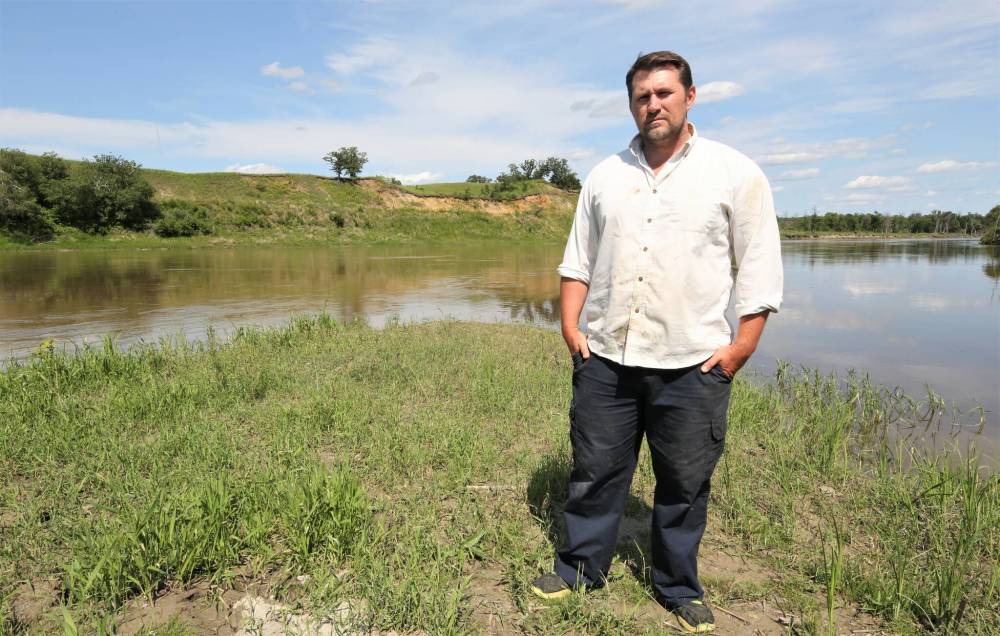
This is what Amy Addison, 31, is thinking about. The Moosomin, Sask., resident said she thought about it over COVID and while she would like to donate her organs, that may not be feasible if she is too old. She liked the idea of her body returning to nature, rather than sticking it in a box.
Rather than a headstone, people can visit her in the form of a living tree.
“I don’t need this body after I am dead,” Addison said. “I like the idea of getting my body down to as little as possible. I understand people want ceremony and memorials and not to shame anyone, but funerals are mostly for the living.
“I don’t want a headstone, so if someone wants to go visit me, they can come to the tree.”
It’s also more economical, with most kits selling for less than $500.
Though cremation adds to the carbon footprint, the tree’s ability to absorb CO2 would offset those emissions, Addison said.
While nothing has been ordered or written down, her loved ones know what she wants after she takes her final breath.
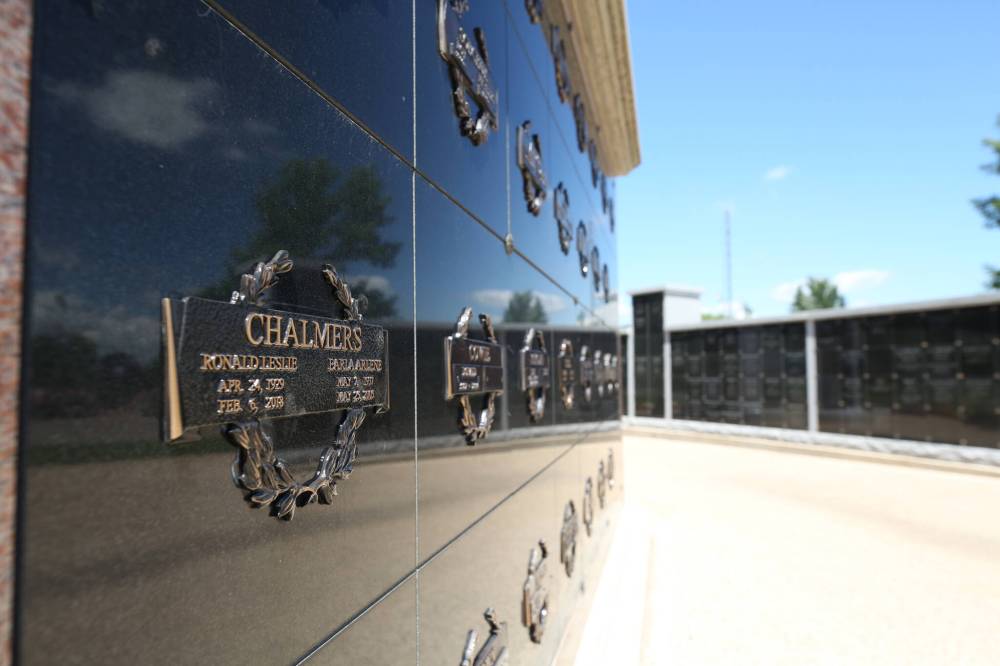
Even with options for burials and memorials, there is still high demand for what Jordan Bulloch says is known as traditional services: viewing, church service and burial. However, the general manager and funeral director for Brockie Donovan Funeral and Cremation Services says cremation is definitely on the rise. There was a time when up to 90 per cent of funerals were burials. Now, up to 60 per cent of clients want cremation, with some of those wanting their ashes placed in a columbarium, a public, wall-like structure with niches to store funerary urns.
Others can have their own separate celebrations of life away from the funeral home or cemetery, which Bulloch said is a small percentage, but it is a growing trend.
“I think people want to take more ownership in how their memorials are handled,” he said. “I find people taking ownership in their services is capturing that legacy and thinking this is what I want people to remember me for.”
Odd requests aside, he said often people come into the funeral home to plan services and say they don’t want much, or just to be cremated. He and the staff work with people to ask what that look like to them, then they start describing the family get-together, where everyone comes for a meal, maybe a tribute with cards and maybe slide shows. Then people realize they do want a ceremony, but they want more ownership in how it is performed.
He added he understood the funeral industry is seen by some as preying on vulnerable people, but pointed out it is heavily regulated in Canada, with provinces having their own laws. In terms of finances, they are morally obligated to help people pick based on what they want to spend and not pressure anyone into getting something they don’t want.
“As a business, we should be capturing that essence in serving and helping them,” he said. “We have to change with what people want or we will lose that segment of the population. We try to work with whatever requests they have, but ultimately, their decisions define the costs.”
All services end with a burial and cremation, he said, it is what happens leading up to that. That is where people have choices based on a price-point.
Even as a business, they are still considered an emergency service. Brockie Donovan has on-call funeral directors that are available 24-7, Bulloch said, so no matter the time of death, hey are bringing that person into their care, depending on circumstances and parameters of designated people, such as doctors, executors, even the police or medical examiners. There has to be a measure of compassion when dealing with people who have lost a loved one, whether it was expected or not, he said.
The funeral home also owns Rosewood Gardens on the west end of Brandon, which Bulloch said the staff are advertising as an alternative option for funerals if someone doesn’t want to be buried in the municipal cemeteries.
Cemetery tours have become a popular tourist attraction with people coming to talk about everything from the design, who is buried there and the history of the entire grounds. Brockie Donovan has been organizing Gossip in the Graveyard since 2007, a tour complete with actors to showcase the famous, and sometimes infamous, residents of the Brandon Municipal Cemetery. The next tours will be held Sept. 10 and 11.
Gossip in the Graveyard may be the longest running tour, but it isn’t the only one. The city started their own tours two years ago and have proven very popular, averaging 15-20 people. What fascinates people is it’s the city’s history on display, said Sandy Jasper, administrator for Brandon Municipal Cemetery.
And people are very interested in every part of it, from who’s buried there, to how burials have changed and of course, the future of the cemetery.
“Cemeteries are history, a place or remembrance, a place of reflection. I don’t find them morbid at all,” she said. “You look at burial records and you find out amazing things, like this person was a pall bearer at this other person’s funeral. Generations later the families married together and that formed new connections. You see how the city grew and changed through these graves.”
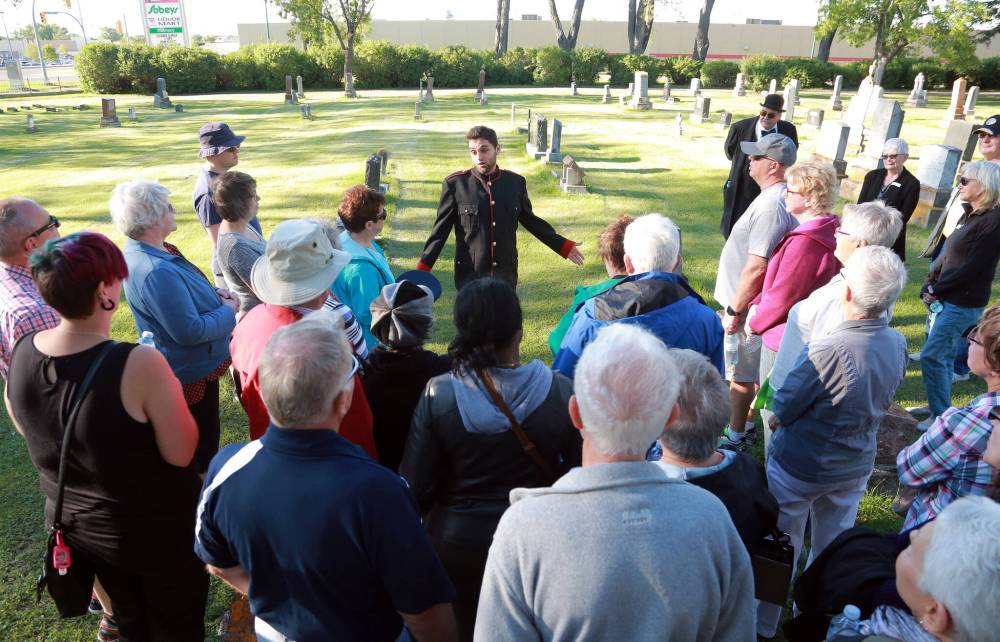
Visitors also bring a lot of history with them while visiting. Recently a man was on a tour that stopped at a grave of a 14-year-old boy who died in a fireworks accident in 1948. The man, Jasper said, pointed at the grave and said he knew the boy when he was alive. He also pointed out several other graves of people he said he knew when they were alive.
Burial practices have changed since the cemetery’s first grave, she said. Family plots were common with multiple graves and a central memorial or headstone. As family member died, their remains were added and the name etched into the memorial.
She added she understood people are weary of paying fees to have themselves, and loved ones buried. Unfortunately, fees are a part of life and needed to keep the cemetery operating. However, staff at the graveyard are happy to help families in their time of grief if it is sudden, or sit and have a chat about their options.
There is no standard emotional response, she said, but when they do come in, they try to make it pleasant and often deal with it through humour.
“There’s some joking in those conversations because you have to laugh, we all go eventually,” said Jasper. “People want to be remembered and remember the good times. Planning your burial and celebration of life should have happiness.”
Even with the laughter, they are still making serious decisions about themselves or their loved ones, she said. Often there is that realization of finality in choosing cemetery property, but it’s part of the process of living.
Like the ever-changing requests, the Brandon Municipal Cemetery is changing as it grows. The cemetery has served the city since 1882, housing 23,000 burials and cremation urns and Jasper explained the eastern side will continue to be developed for at least another century. In the city’s master plan for the cemetery, there is a green burial area being planned, which Jasper says has a broad interpretation, such as biodegradable caskets. No one has asked yet about Bio Urns or other legacy forest-type memorials, Jasper said.
Such plans are made years in advance in anticipation for more burials, Jasper said, but the expansion isn’t being planned all at once.
“We will develop sections as needed as we run out of inventory over here,” she said. “The expansion plan keeps things in mind, like will a scattering ground be the first thing, or a green burial area. Those things will be taken into consideration.”
There are currently 655 burial plots available and 825 spaces for cremation storage, according to the cemetery’s 2022 inventory plan.
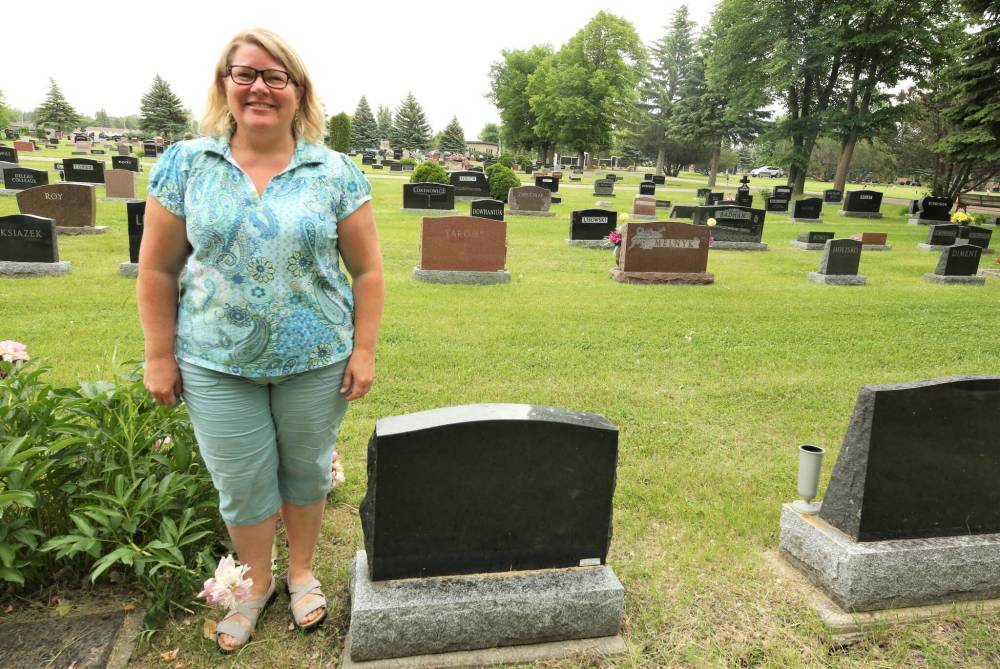
Over the 15 years Jasper has been administrator for the cemetery, the ratio of burial to cremation has always been around 70 per cent cremation and 30 per cent traditional burial.
People want to have more control over where their remains are interred, she said. However, there are laws governing where and how cemeteries can be built and who can build them.
According to the Province of Manitoba Cemeteries Act, the cemetery has to be maintained by a designated person or organization and must meet government health, safety, environmental protection and succession laws.
Some of those health and safety laws include it must be enclosed on four sides to keep animals out. The grounds must also be maintained and water and sewer drainage is required.
That owner is also responsible for all burials being conducted in a respectable manner and remains are treated with decency. They must also work with a licensed funeral director and all the powers given to the director under the Funeral Directors and Embalmers Act in respect of matters coming before the director under that act.
The owner of the cemetery must also provide funding for perpetual care.
It isn’t an easy task to dig a grave, either. The municipal cemetery has its own grave crew whose sole responsibility is to ensure graves, or internment holes for cremation urns, are dug and prepared not just to ensure the plot doesn’t shift, but to protect everyone standing next to it during the funeral and anyone walking by or over it for decades to come.
As well, no grave is the same and burial regulations have changed over the years, said Travis Campbell, lead hand for the Brandon Municipal Cemetery. Traditional graves must be dug four feet wide by ten feet deep with a backhoe and cremation holes are dug by hand down to two-and-a-half feet. Winter burials are tougher, as they need to punch through the frost.
Using mechanical means creates a sturdy hole with clean wall lines.
All graves have to be dug this way to follow health and safety regulations to primarily prevent cave-ins.
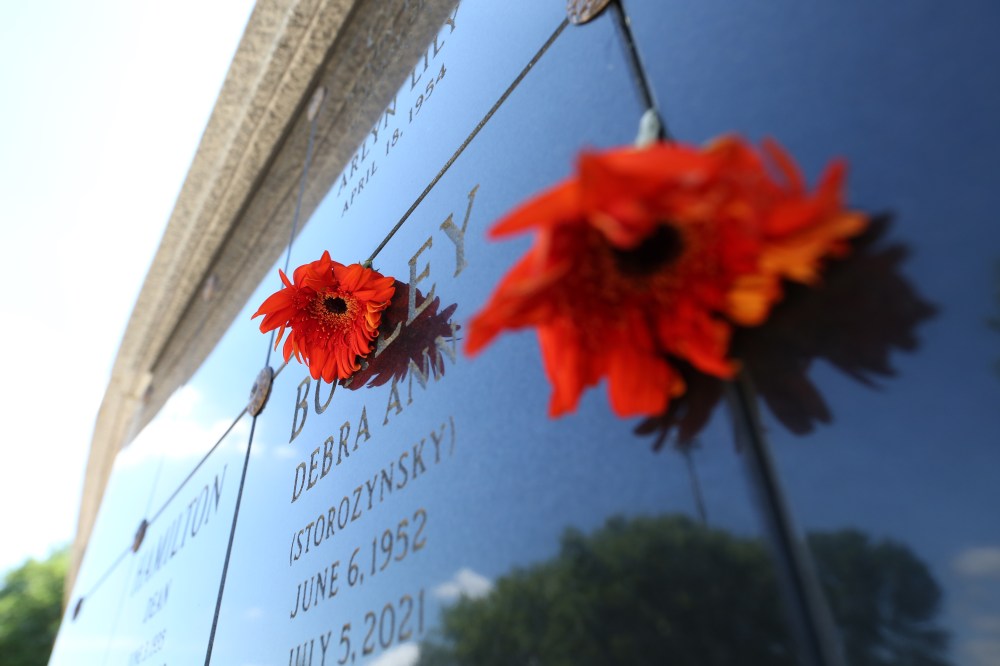
“You could have up to 50 or 60 people standing on the edge,” he said. “In that case, if the ground is unsettled we put in a safety device four feet down in the hole to eliminate the initial cave-in from the top if it happens and we use that in our sandier sections.”
There are other things to keep in mind, like groundwater. It’s not unusual for water to seep in shortly after cutting the hole. In that case, the crew brings in a vacuum pump to suck it out.
Digging burial sites isn’t something taught in schools, he said, it’s a trade passed down. He learned from more experienced crew members. A lot of engineering goes not creating and maintaining a grave, along with all the administrative duties.
Even if he can’t have a grave on his land, Clark said he understands there are laws and he’s got options.
“We’ve talked about cremation and scattering our ashes on the land,” he said. “At least that way we will be a part of it, with or without our own cemetery.”
» kmckinley@brandonsuncom
» Twitter: @karenleighmcki1