
Tall grass prairie patch protected
Advertisement
Read this article for free:
or
Already have an account? Log in here »
We need your support!
Local journalism needs your support!
As we navigate through unprecedented times, our journalists are working harder than ever to bring you the latest local updates to keep you safe and informed.
Now, more than ever, we need your support.
Starting at $15.99 plus taxes every four weeks you can access your Brandon Sun online and full access to all content as it appears on our website.
Subscribe Nowor call circulation directly at (204) 727-0527.
Your pledge helps to ensure we provide the news that matters most to your community!
To continue reading, please subscribe:
Add Brandon Sun access to your Free Press subscription for only an additional
$1 for the first 4 weeks*
*Your next subscription payment will increase by $1.00 and you will be charged $20.00 plus GST for four weeks. After four weeks, your payment will increase to $24.00 plus GST every four weeks.
Read unlimited articles for free today:
or
Already have an account? Log in here »
Hey there, time traveller!
This article was published 14/11/2022 (1180 days ago), so information in it may no longer be current.
One of the fastest-vanishing habitats on Earth now has protected status after Nature Conservancy Canada worked to conserve a swath of tall grass prairie one-third the size of the Wheat City.
Nearly 2,700 hectares at Lake Ranch, 194 kilometres northeast of Brandon, provides a habitat for grassland birds listed as threatened under Canada’s Species at Risk Act, including the Sprague’s pipit and the bobolink. Migratory wetland birds like the western grebe also flock to the area.
It’s one of the largest land conservation projects the Manitoba region of Nature Conservancy Canada (NCC) has ever done, said Cary Hamel, the Manitoba region’s director of conservation. The group partnered with the federal government through the Natural Heritage Conservation Program part of Canada’s Nature Fund.
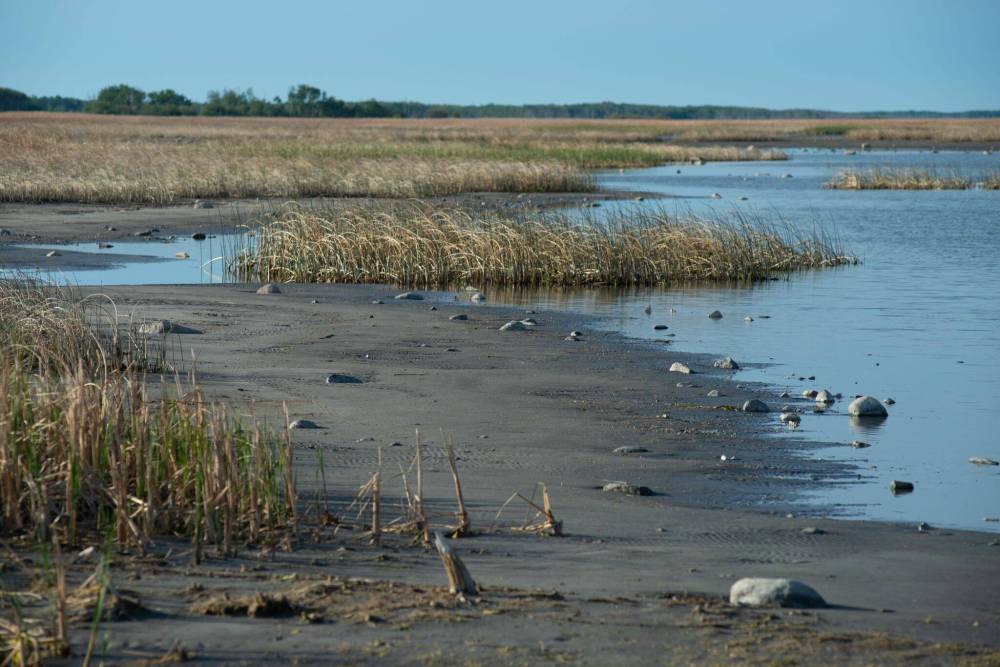
Nature Conservancy Canada has protected one of the largest privately owned tall grass prairie tracts in Manitoba. Approximately 112 bird species, including 11 shorebird species, have been documented at Lake Ranch and the adjacent lakes. (Submitted)
“All natural areas are important in their own way, but this one is really special because it has tall grass prairie, hundreds and hundreds of hectares on it, and there’s so little tall grass prairie left,” Hamel said.
Tall grass prairie is considered one of the most endangered habitat types on the planet, while also being the least protected, Hamel said.
“There’s not a lot of parks and things like that that protect prairies, and they’re being converted at a really rapid rate.”
Clearing the prairie to make room for human habitation has meant that only one per cent of tall grass prairie remains in Manitoba, Hamel said.
“It’s down to all kinds of things — cities expanding, changing land use.”
The good news is that many agricultural producers are invested in protecting habitats like tall grass prairie because it’s the ideal land for cattle to graze on.
“A lot of the prairie conservation projects of NCC and other organizations are really about partnering with livestock farmers and ranchers to conserve not just those lands but their way of life,” Hamel said.
The protected land at Lake Ranch will continue to be used for the livestock operation that was established there nearly 100 years ago. Livestock use has conserved what little tall grass prairie was left, thanks to the positive role grazing animals play in the prairie ecosystem, Hamel said. As cows graze, their hooves aerate the soil, and their manure enriches it.
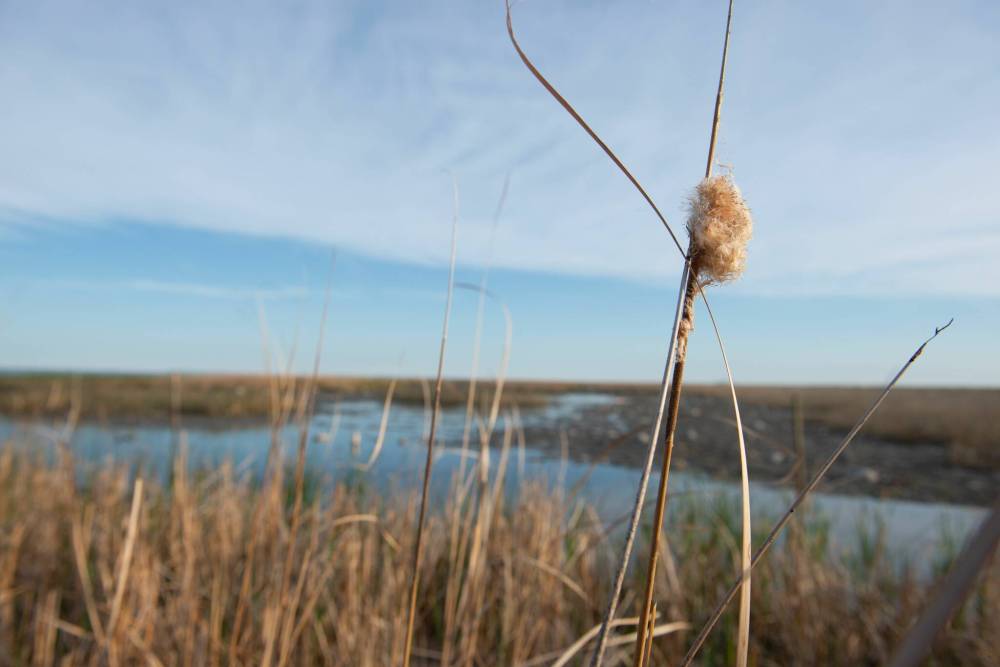
Only one per cent of tall grass prairie is left in Manitoba, says Cary Hamel, director of conservation for the Manitoba region of Nature Conservancy Canada. (Submitted)
For that reason, Hamel is still hopeful that it’s not too late to save Manitoba’s tall grass prairie. In the 15 years he has worked at NCC, he said he has seen a lot of people come together in a way that helps the environment they live in.
“People in rural areas, agricultural and Indigenous communities and conservation agencies are on the same page, even if they speak a different language. It’s really all about conservation, and I haven’t talked to a single person yet that doesn’t want to live in a landscape that is healthy.”
The NCC hopes to raise $25,000 over the next five years, which will enable it to work with more grasslands in Manitoba.
» mleybourne@brandonsun.com
» Twitter: @miraleybourne