
Profs track mental health during COVID
Advertisement
Read this article for free:
or
Already have an account? Log in here »
We need your support!
Local journalism needs your support!
As we navigate through unprecedented times, our journalists are working harder than ever to bring you the latest local updates to keep you safe and informed.
Now, more than ever, we need your support.
Starting at $15.99 plus taxes every four weeks you can access your Brandon Sun online and full access to all content as it appears on our website.
Subscribe Nowor call circulation directly at (204) 727-0527.
Your pledge helps to ensure we provide the news that matters most to your community!
To continue reading, please subscribe:
Add Brandon Sun access to your Free Press subscription for only an additional
$1 for the first 4 weeks*
- Enjoy unlimited reading on brandonsun.com
- Read the Brandon Sun E-Edition, our digital replica newspaper
*Your next Free Press subscription payment will increase by $1.00 and you will be charged $20.95 plus GST for four weeks. After four weeks, your payment will increase to $24.95 plus GST every four weeks.
Read unlimited articles for free today:
or
Already have an account? Log in here »
Hey there, time traveller!
This article was published 14/03/2023 (1323 days ago), so information in it may no longer be current.
It’s much easier to stay home than go out with friends, says 28-year-old Dennis Fedoruk, who now calls himself a recluse because of the COVID-19 pandemic.
During the peak of the health crisis, Fedoruk was 25 and a full-time student at Assiniboine Community College, while also working part-time at Joey’s Seafood restaurant. He went from a social life to social distancing, which he said was not easy.
“I hated it at first, but then I got used to being by myself,” said Fedoruk. “Now I feel like I can’t be bothered going out because I can still text everybody, do FaceTime on my phone and order in what I want.”
Marysia Lazinski (Submitted)
Fedoruk is in the target age group — 18 to 35 — that two Brandon University professors want to hear from as they dig into the effects of pandemic isolation and how young adults are dealing with a return to in-person learning, work and life.
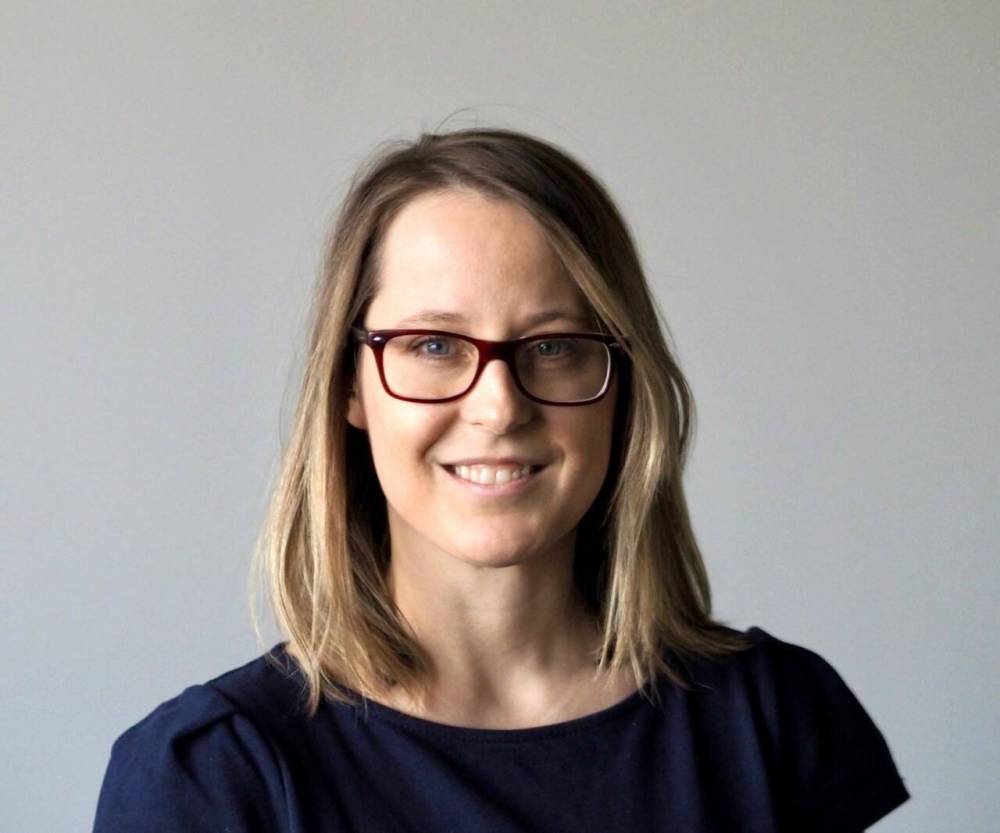
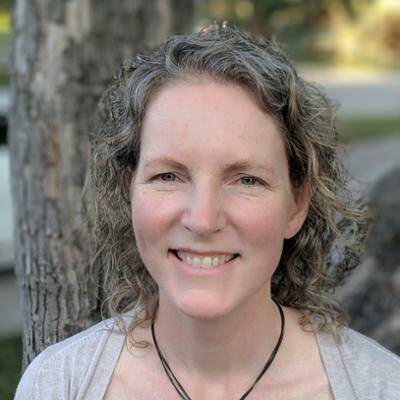
The researchers, associate professor Nancy Newall and assistant professor Marysia Lazinski from the department of psychology at BU, are conducting the study through an online survey, which is anonymous and open to anyone within the specified age range — not just post-secondary students.
It begins with basic inquiries including age, family situation, cultural background and level of education but dives deeper into questions regarding mental health, self-worth, if family members show love for one another, how stress is handled and whether it’s important to be around people.
“We’ve had two and a half to three years of chaos, and I really want to get a sense of where people are right now,” Lazinski said. “And I want to know what we need to do to support our young people. Everyone’s gone through a lot of difficulties, a lot of loss and trauma.
“The other thing I really want to know is what coping strategies young people have been using, and are they working.”
There is growing awareness around the negative impact the pandemic had and is still having on young people. At an age when they are changing from adolescent to adulthood, forced isolation would have been the most kind of lonely, according to Newall.
“Twenty-year-olds are going through a lot of transitions,” Newall said.
“Some are losing their high school friends, going on to university, others go to work, still more leave their home province. So those are a lot of changes, and it can be a real isolating and lonely time as a young adult.”
Isolation does not help with people’s mental health, Newall added.
“If you have extreme loneliness or isolation, it can actually start to change your perceptions of other people and make us feel threatened. We see our relationships in a different way, and over the long term, we will disconnect.”
Nancy Newall (Submitted)
Mora, who didn’t want to give her last name, said her 19-year-old son Caleb has done a “complete 360” in his personality, and she blames the pandemic.
“He worries about everything now. We missed him on our last summer holidays because he didn’t want to stray too far,” Mora said. “Virtual learning started it all, we feel.”
Once Lazinski and Newall have compiled the information from the young adults’ mental health survey, they will determine what the needs are in Brandon and make the necessary connections with support agencies and, if possible, try to get more funding for mental health.
“This is what I want to do. I want to study young people’s mental health, advocate for them and figure out how we can best support them.”
Results of the survey are expected to be released by the psychology department at BU by spring 2024.
To take the survey, visit surveymonkey.com/r/VDJGSXD.
» mmcdougall@brandonsun.com