Marsh Bluets abundant at Lake Clementi

The hot and humid air may keep many of us inside seeking the shelter of our offices and homes or air-conditioned cars, but not so the marsh bluet, a kind of damselfly native to ponds, lowland lakes and marshland across most Canadian provinces and U.S. states.

Read this article for free:

or

Already have an account? Log in here »

We need your support!
Local journalism needs your support!

As we navigate through unprecedented times, our journalists are working harder than ever to bring you the latest local updates to keep you safe and informed.

Now, more than ever, we need your support.

Starting at $15.99 plus taxes every four weeks you can access your Brandon Sun online and full access to all content as it appears on our website.

Subscribe Now

or call circulation directly at (204) 727-0527.

Your pledge helps to ensure we provide the news that matters most to your community!

To continue reading, please subscribe:

Add Brandon Sun access to your Free Press subscription for only an additional

$1 for the first 4 weeks*

  • Enjoy unlimited reading on brandonsun.com
  • Read the Brandon Sun E-Edition, our digital replica newspaper
Start now

*Your next Free Press subscription payment will increase by $1.00 and you will be charged $20.95 plus GST for four weeks. After four weeks, your payment will increase to $24.95 plus GST every four weeks.

Hey there, time traveller!
This article was published 06/06/2023 (1103 days ago), so information in it may no longer be current.

The hot and humid air may keep many of us inside seeking the shelter of our offices and homes or air-conditioned cars, but not so the marsh bluet, a kind of damselfly native to ponds, lowland lakes and marshland across most Canadian provinces and U.S. states.

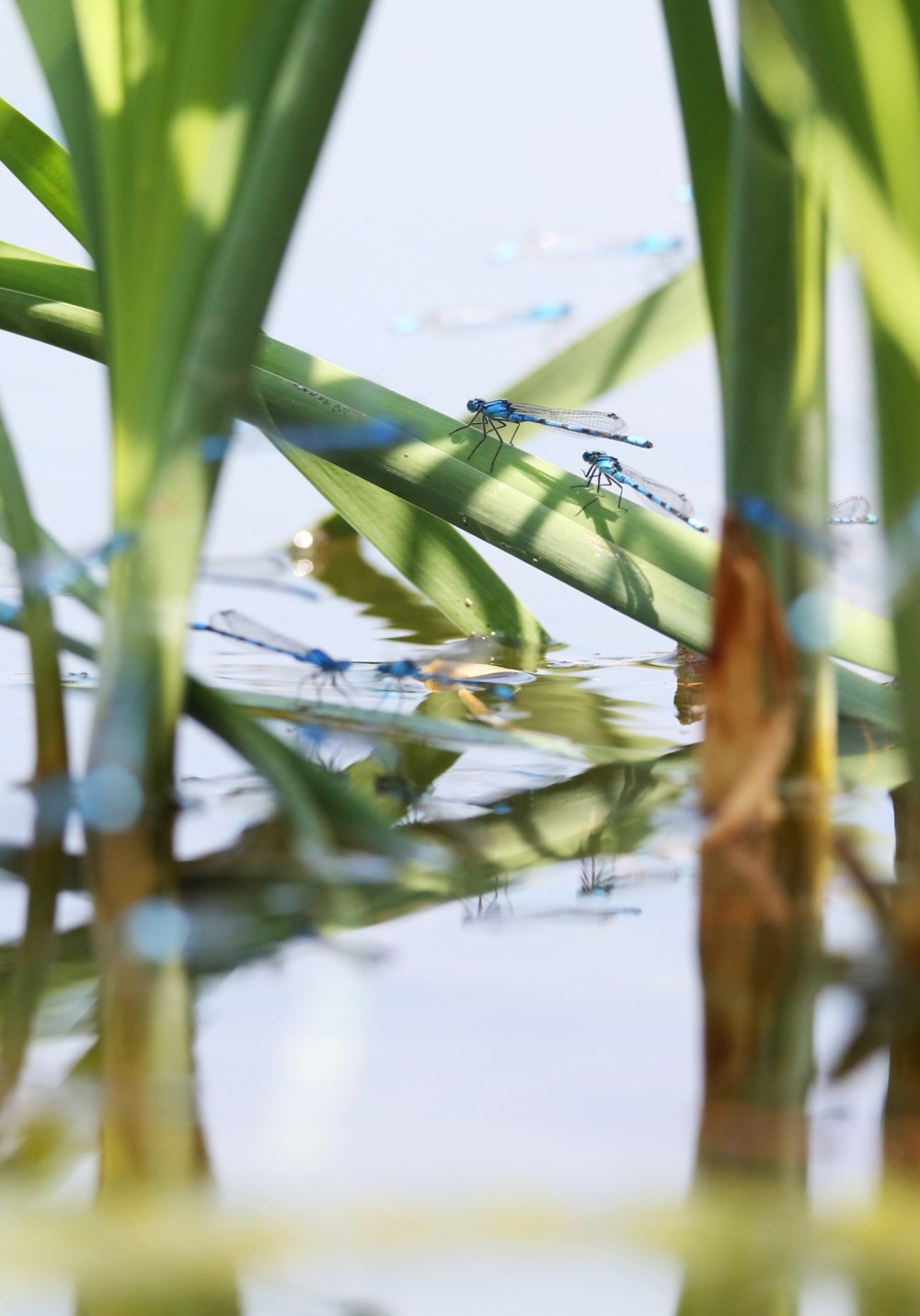
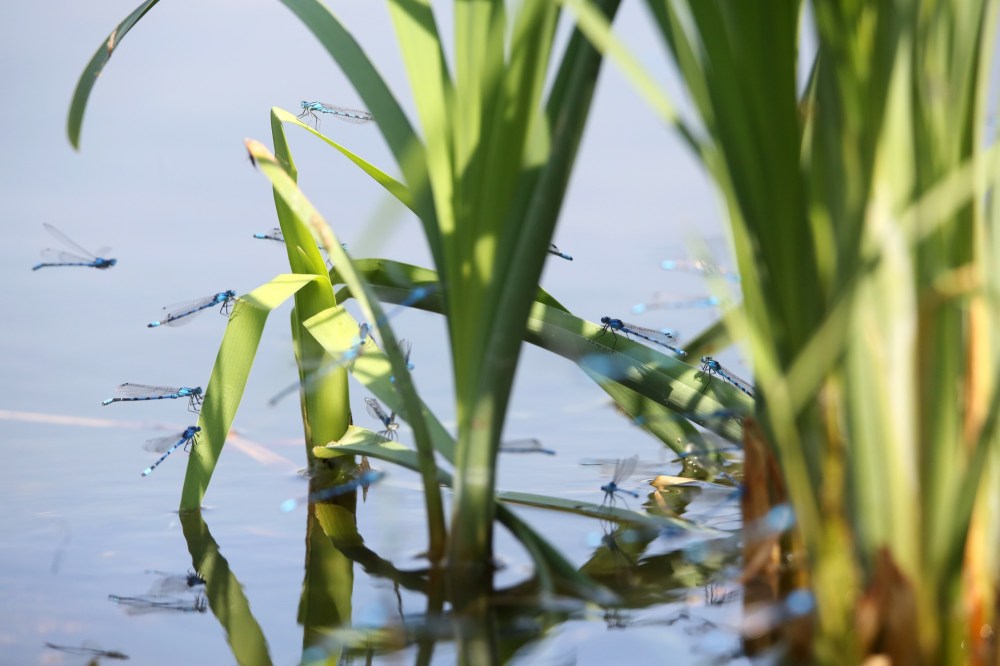
In the noon-hour heat, dozens and dozens of marsh bluets, with their characteristic blue thorax and broad black stripes, were darting around the grasses and cattails along the shores of Lake Clementi on Monday, looking for some insect love during the spring mating season.

They’re easy to mistake for dragonflies, but Naturalist.ca calls them a damselfly in the family Coenagrionidae. Whatever the name, their bright blue hues are unmistakable along our waterways. Watch for them while out walking this week.
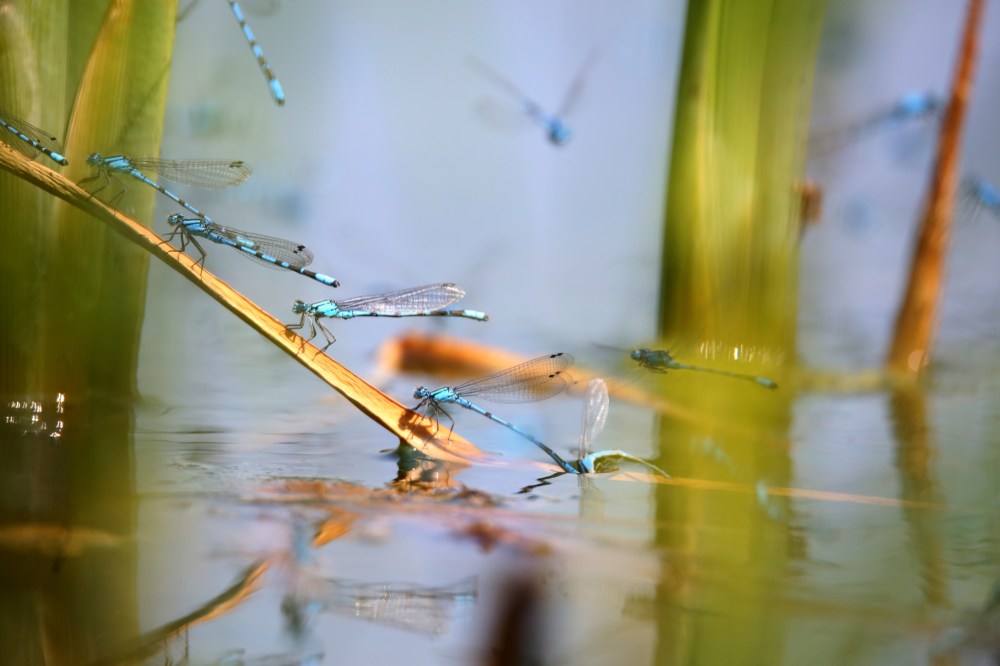
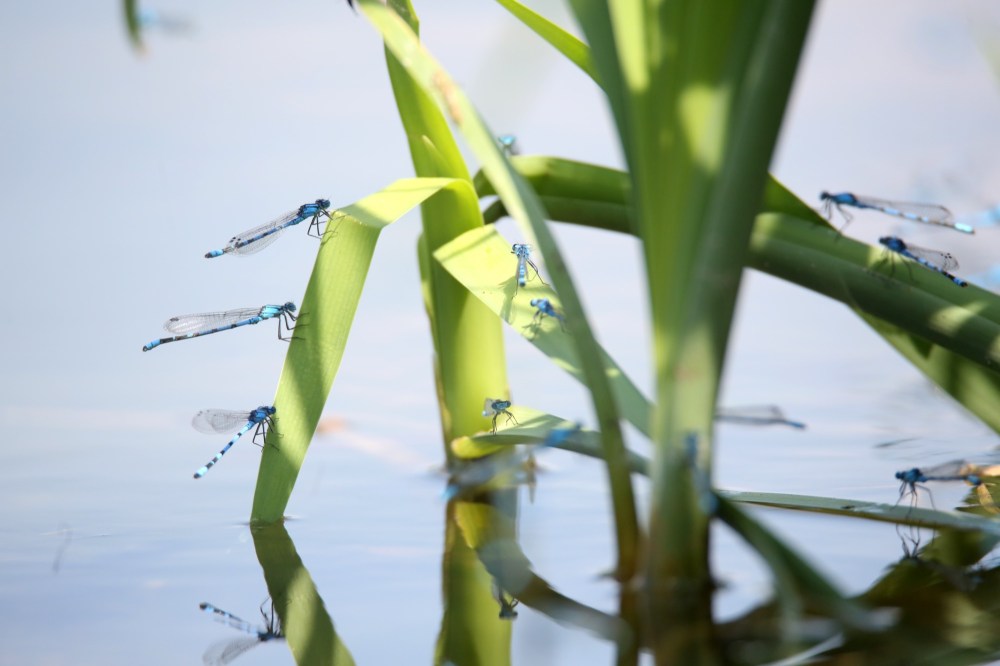
Mating marsh bluets line up along a partially submerged cattail leaf in the shallow waters of the Lake Clementi shoreline on a hot Monday afternoon. The marsh bluet is a kind of damselfly species that are found near lowland lakes, ponds and marshes across Canada and the United States. (Matt Goerzen/The Brandon Sun)

» mgoerzen@brandonsun.com

» Twitter: @MattGoerzen
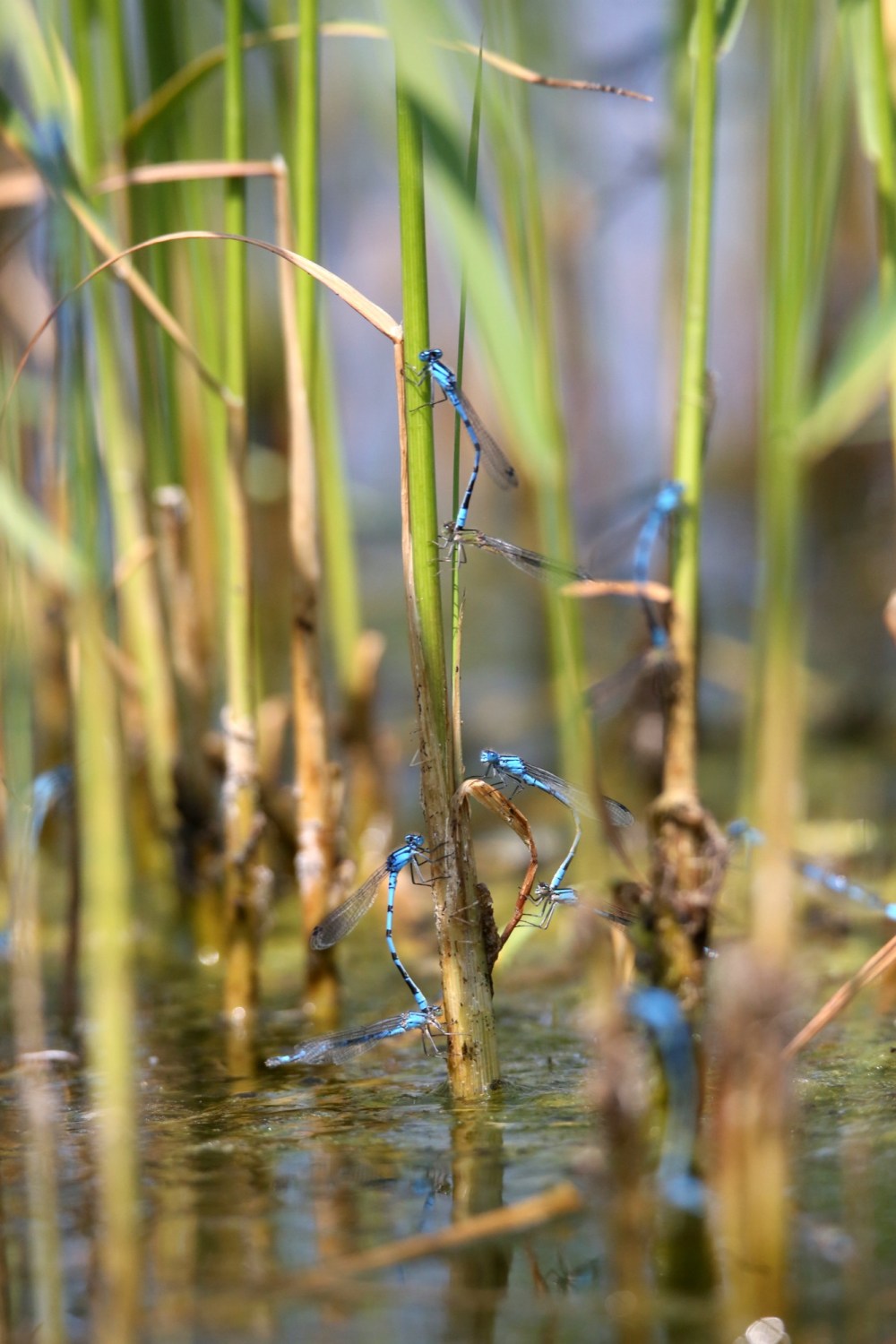
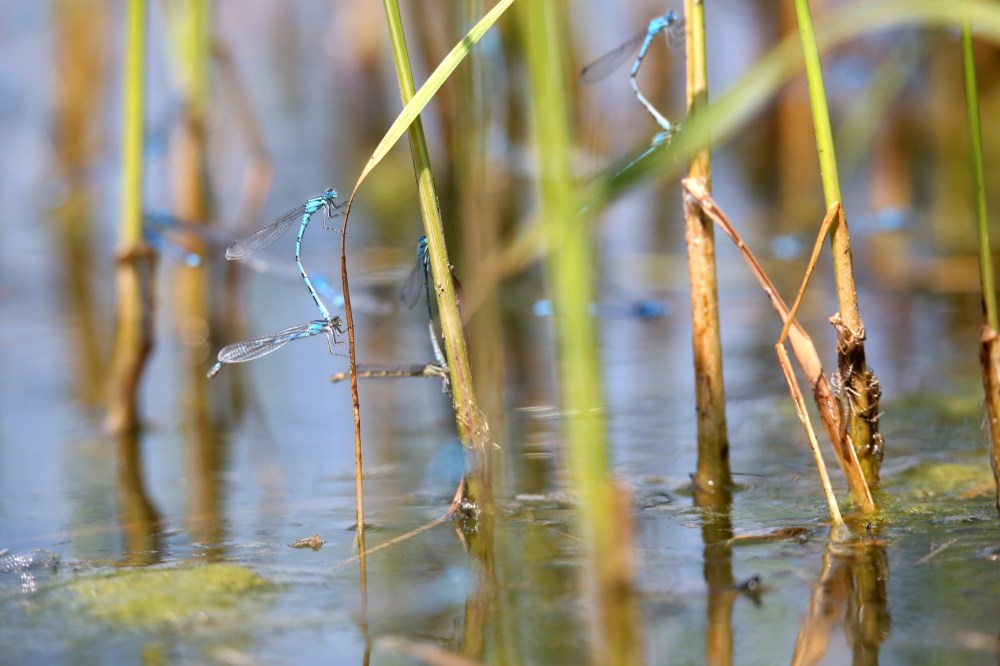
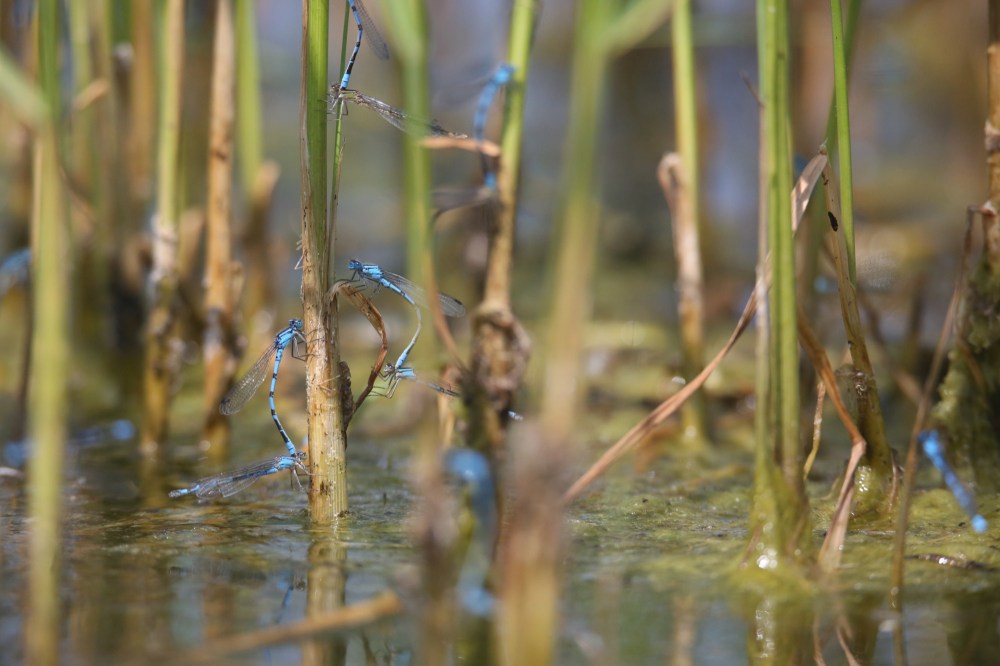
Mating marsh bluets congregate around the shallow waters of the Lake Clementi shoreline on a hot Monday afternoon. The marsh bluet is a kind of damselfly species that are found near lowland lakes, ponds and marshes across Canada and the United States. (Matt Goerzen/The Brandon Sun)
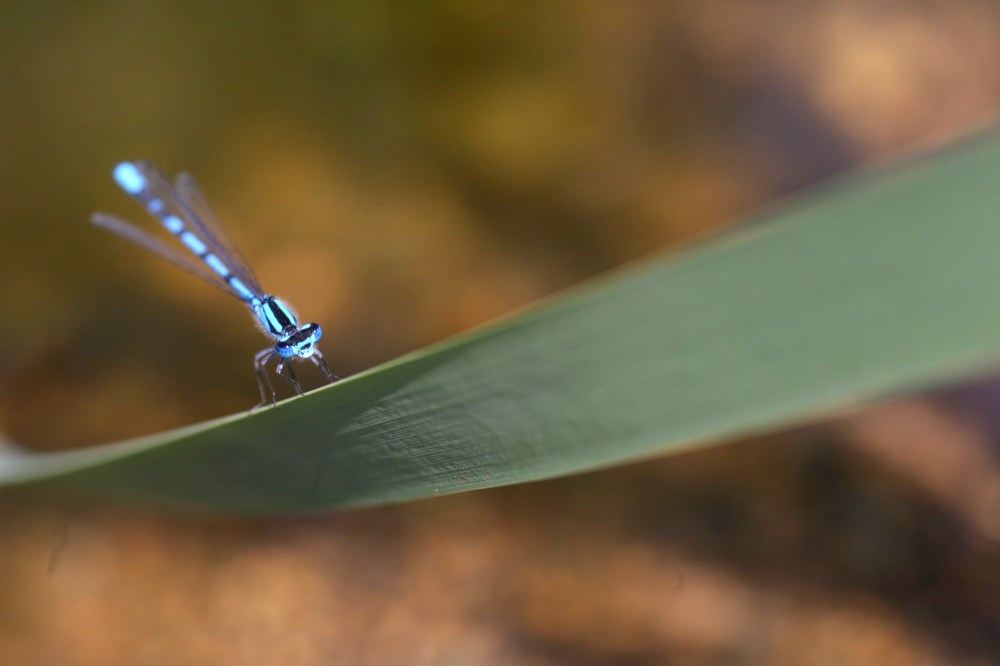
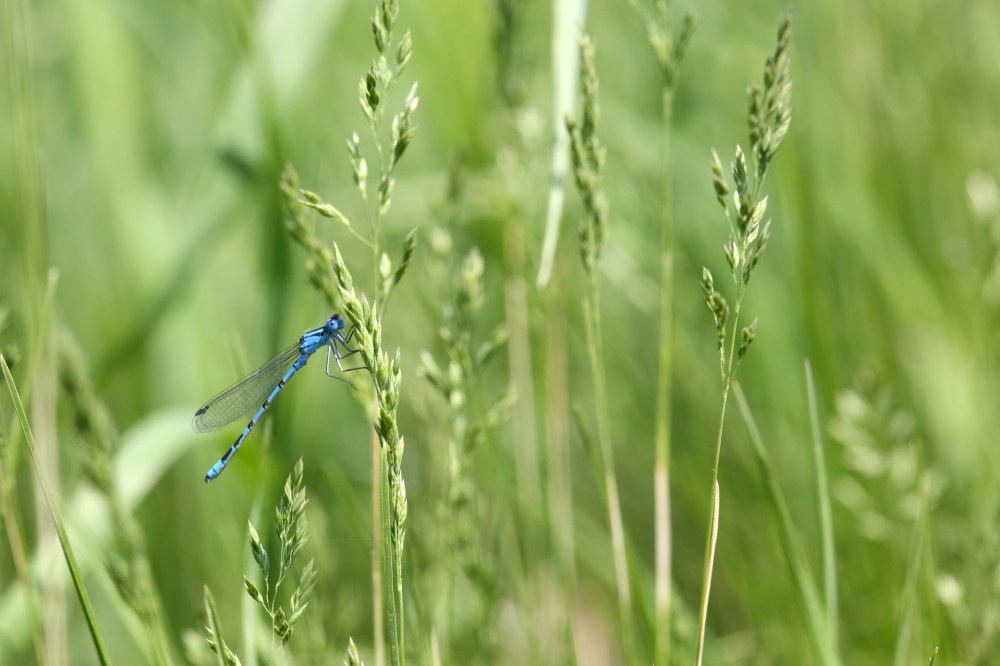
A male marsh bluet perches on a blade of grass near the shoreline of Lake Clementi on a hot Monday afternoon. The marsh bluet is a kind of damselfly species that are found near lowland lakes, ponds and marshes across Canada and the United States. (Matt Goerzen/The Brandon Sun)
Mating marsh bluets congregate around the shallow waters of the Lake Clementi shoreline on a hot Monday afternoon. The marsh bluet is a kind of damselfly species that are found near lowland lakes, ponds and marshes across Canada and the United States. (Matt Goerzen/The Brandon Sun)
Mating marsh bluets line up along a partially submerged cattail leaf in the shallow waters of the Lake Clementi shoreline on a hot Monday afternoon. The marsh bluet is a kind of damselfly species that are found near lowland lakes, ponds and marshes across Canada and the United States. (Matt Goerzen/The Brandon Sun)
A male marsh bluet perches on a head of wild grass near the shoreline of Lake Clementi on a hot Monday afternoon. The marsh bluet is a kind of damselfly species that are found near lowland lakes, ponds and marshes across Canada and the United States. (Matt Goerzen/The Brandon Sun)
Mating marsh bluets congregate around the shallow waters of the Lake Clementi shoreline on a hot Monday afternoon. The marsh bluet is a kind of damselfly species that are found near lowland lakes, ponds and marshes across Canada and the United States. (Matt Goerzen/The Brandon Sun)
Report Error Submit a Tip