
Report warns city needs steep tax hikes
Rates could rise as much as nine per cent a year for 10 years
Advertisement
Read this article for free:
or
Already have an account? Log in here »
We need your support!
Local journalism needs your support!
As we navigate through unprecedented times, our journalists are working harder than ever to bring you the latest local updates to keep you safe and informed.
Now, more than ever, we need your support.
Starting at $15.99 plus taxes every four weeks you can access your Brandon Sun online and full access to all content as it appears on our website.
Subscribe Nowor call circulation directly at (204) 727-0527.
Your pledge helps to ensure we provide the news that matters most to your community!
To continue reading, please subscribe:
Add Brandon Sun access to your Free Press subscription for only an additional
$1 for the first 4 weeks*
- Enjoy unlimited reading on brandonsun.com
- Read the Brandon Sun E-Edition, our digital replica newspaper
*Your next Free Press subscription payment will increase by $1.00 and you will be charged $20.95 plus GST for four weeks. After four weeks, your payment will increase to $24.95 plus GST every four weeks.
Read unlimited articles for free today:
or
Already have an account? Log in here »
Hey there, time traveller!
This article was published 15/12/2023 (1006 days ago), so information in it may no longer be current.
The City of Brandon will need to impose “extraordinarily” larger property tax increases over the next decade than it has in recent years to remain sustainable, according to a new report prepared by accounting firm MNP.
The report — which was presented to city administration earlier this week — suggests two scenarios for taxation over the next 10 years, blaming the situation largely on the city keeping property taxes too low to account for rising costs.
The city is set to release the information to the public and hold a media briefing this morning at Brandon City Hall, but provided an early copy to the Sun as well as an exclusive interview with city manager Ron Bowles, who said the report outlines a worst-case scenario.

“While low taxes and efficient municipal operations were identified as strengths, there is clear indication that tax increases have not been sufficient to reflect inflation and have resulted in diminished reserves at a time when Brandon requires significant investment in infrastructure,” the report’s executive summary reads.
The first scenario would see property taxes rises approximately 13 per cent a year between 2024 and 2027 and approximately three per cent from 2028 through 2033, while the second would see increases worth nine per cent a year over the same time frame. That second scenario would require delaying several capital projects.
These scenarios assume that the city’s financial reserves will be “significantly depleted to fund the capital plan,” hitting a low of just $7 million in savings by 2029.
These increases, along with boosts to the development cost charges levied on developers, regular utility rate raises, the introduction of drainage fees for commercial and residential properties and expanding revenues at the landfill are needed to maintain municipal services and infrastructure and replace aging infrastructure.
The study compared Brandon’s property tax rates to those in Fredericton, N.B., Grande Prairie, Alta., Medicine Hat, Alta., North Bay, Ont., and Prince Albert, Sask. On average, Brandon’s taxes are 47 per cent lower than in those municipalities.
“On a compounded, cumulative basis, property taxes for the average homeowner in Brandon have only increased by 3.9 per cent since 2017, compared to an average increase of 13.8 per cent among the sampled cities,” the report states.
Speaking with the Sun, the city manager said Brandon will be requesting assistance from the province because of the seven-year-long municipal funding freeze that was in place until the Stefanson government ended it earlier this year.
“They’ve just taken it off, which is great,” Bowles said. “To get more funding for the police, even more funding for the ambulance and a bunch of other big capital projects, it’s awesome. But we have a lot of years to make up for and there’s still no commitment for the future.”
At the Association of Manitoba Municipalities fall convention in Brandon last month, new Premier Wab Kinew said he would keep his campaign promise to increase municipal basket and policing funding, though a funding formula has yet to be announced. The report assumes yearly three per cent increases to both overall revenues and overall expenses.
Despite the report outlining some significant financial hurdles, Bowles made the case that the city is in a good place because most municipalities don’t have access to good data like this.
He also said that the information provided is the worst-case scenario.
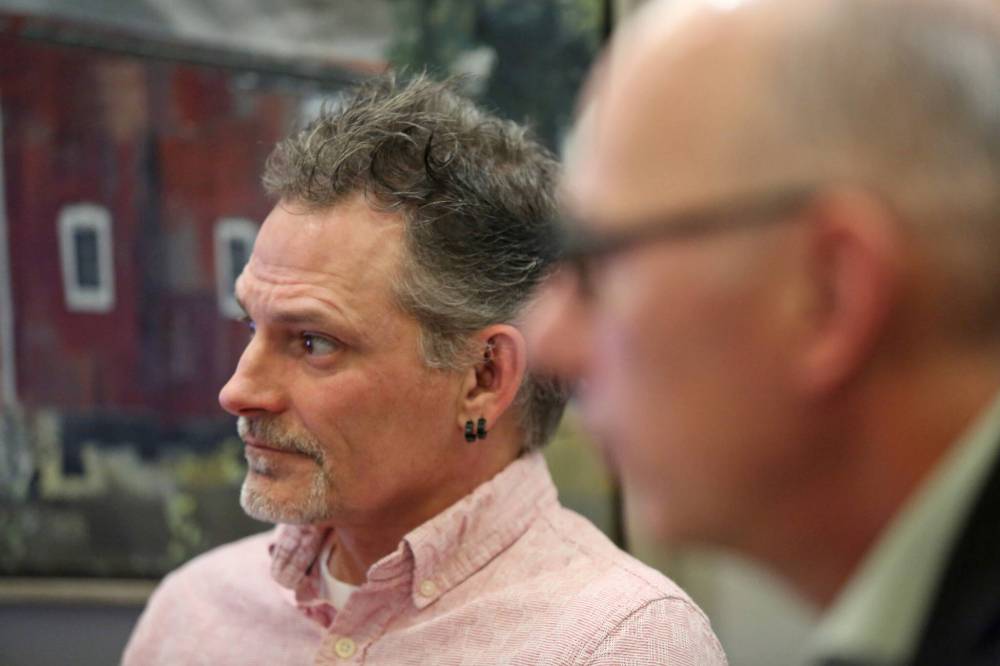
“Mayor Fawcett and council have been clear with me that 13 per cent is too high,” Bowles said.
The biggest factor in this financial picture, Bowles said, is the city’s infrastructure deficit. He said the city’s sewer and water systems are at capacity because of climate change, much of the city’s fleet of vehicles is getting old and there are items, like the ice plant at the Sportsplex, that should have been replaced in the last couple of years.
Other factors include inflation and the city taking on some costs relating to tackling social issues downtown. Bowles said just like residents are seeing at the grocery store, the city is seeing larger bills come in when it tenders projects.
Bowles characterized the draft plan as providing Brandon with “meat and potatoes” essentials and will create conversations about what items the city truly needs versus what would be nice to have.
For instance, the potential outdoor aquatic facility that has been up for discussion in recent years could be 10 to 11 years away.
At this point, Bowles said he has not received any direction from council to reduce services or reduce staffing levels.
In creating the report, MNP conducted interviews with all members of Brandon City Council including Mayor Jeff Fawcett between July 31 and Aug. 8 of this year.
On the positive side, MNP found that councillors felt the city is running as efficiently as possible, thought the effort to keep taxes low during the COVID-19 pandemic was appreciated by residents and that the elected representatives have confidence in the city manager and his staff.
However, the interviews also identified friction between council and staff.
“There was general agreement the budgeting process is not yielding the tax increases necessary and the current process can create some animosity between the administration and council instead of encouraging the two groups to work together … There is an understanding that either taxes need to increase or services need to be reduced,” the report states.
The report also said “some councillors felt the administration hesitates to give council a full picture of issues the city is facing and has made unilateral decision to shelve certain projects or tap specified reserves for other uses … Council is asking for more facts and possible solution to make informed decisions.”
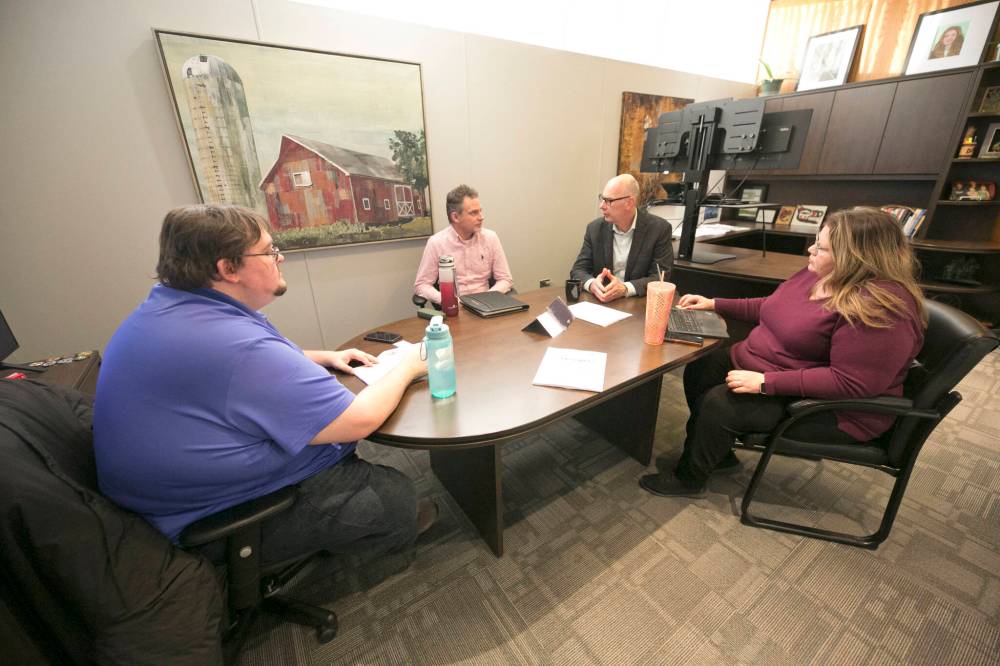
Other weaknesses identified through council interviews include concerns from councillors that administration needs to be better at taking advantage of funding from higher levels of government, that Brandon isn’t proactive enough in pursuing development and that the city’s approach in pursuing the lowest bids made for capital projects isn’t returning the best value.
Interviews were also held in October with general manager of development services Mark Allard, general manager of operations Patrick Pulak and director of public works Pam Richardson.
They told MNP that the city needs to use the gas tax it collects to exclusively fund transportation, to implement a drainage levy, update development cost charges every three to four years, to undertake a detailed review of permit fees, find new revenues opportunities at the landfill and to streamline the city’s reserves.
The report was commissioned because Brandon City Council set a goal in its most recent strategic plan for the city to create longer-term financial planning.
Bowles said the report would be on the agenda for Monday’s regular meeting of council.
» cslark@brandonsun.com
» X: @ColinSlark