
Youth homes taxing city resources, Cameron says
Advertisement
Read this article for free:
or
Already have an account? Log in here »
We need your support!
Local journalism needs your support!
As we navigate through unprecedented times, our journalists are working harder than ever to bring you the latest local updates to keep you safe and informed.
Now, more than ever, we need your support.
Starting at $15.99 plus taxes every four weeks you can access your Brandon Sun online and full access to all content as it appears on our website.
Subscribe Nowor call circulation directly at (204) 727-0527.
Your pledge helps to ensure we provide the news that matters most to your community!
To continue reading, please subscribe:
Add Brandon Sun access to your Free Press subscription for only an additional
$1 for the first 4 weeks*
- Enjoy unlimited reading on brandonsun.com
- Read the Brandon Sun E-Edition, our digital replica newspaper
*Your next Free Press subscription payment will increase by $1.00 and you will be charged $20.95 plus GST for four weeks. After four weeks, your payment will increase to $24.95 plus GST every four weeks.
Read unlimited articles for free today:
or
Already have an account? Log in here »
Hey there, time traveller!
This article was published 29/11/2024 (697 days ago), so information in it may no longer be current.
A Brandon city councillor has flagged growing concern among city residents about the operations of high-risk youth homes in Brandon taxing the city’s limited resources.
The youth homes, which are provincially funded, often operate in a manner that bypasses local authorities, creating issues in the local community and among neighbours.
Coun. Shaun Cameron (Ward 4) raised the issue at the Association of Manitoba Municipalities (AMM) convention held earlier this week in Winnipeg, saying the day-to-day running of these homes was driving up Brandon’s policing, fire and EMS service costs. In one instance, a single youth home was visited 150 times by law enforcement officials in 2022.
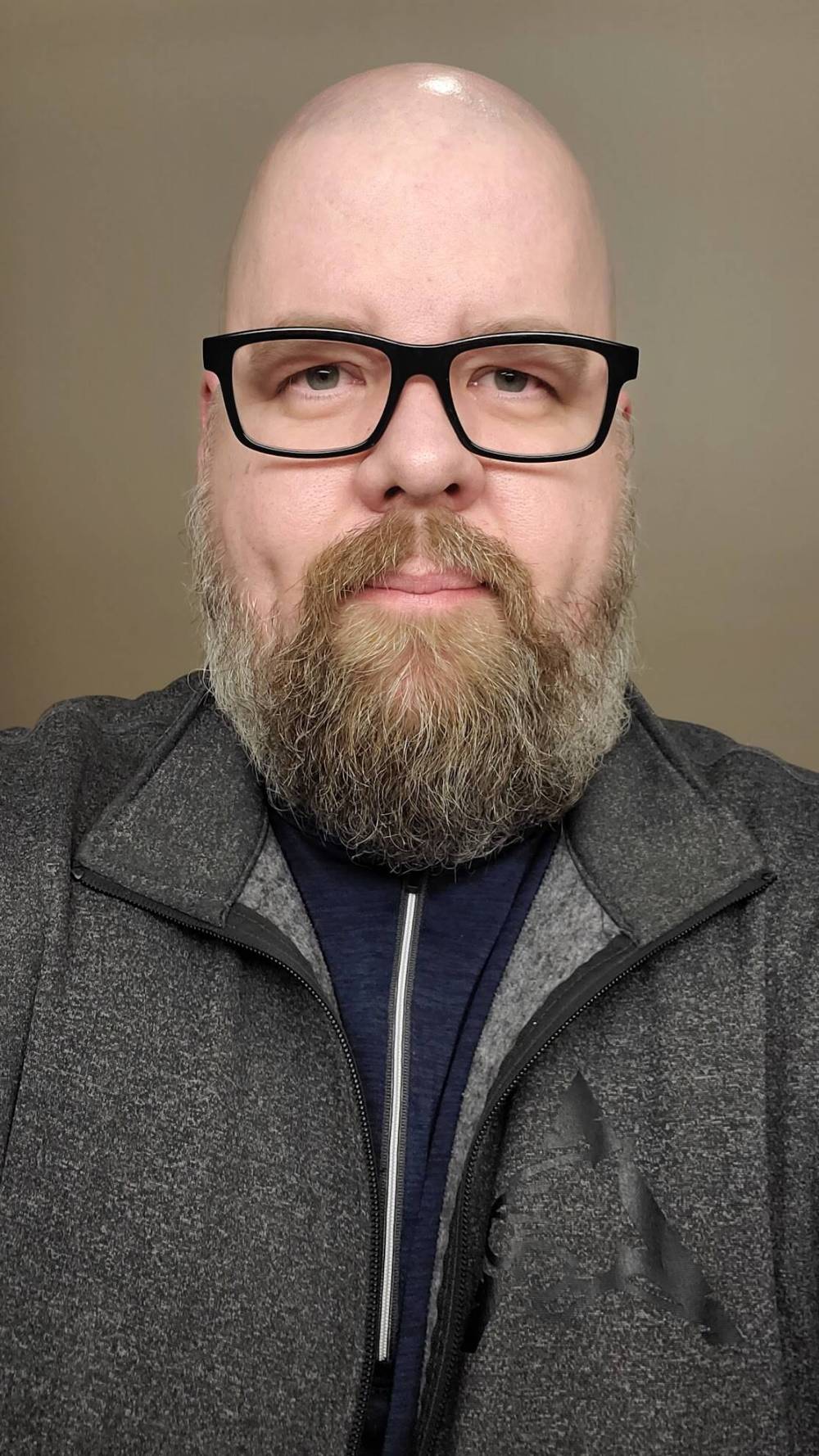
Coun. Shaun Cameron (Ward 4) has shared growing concern among city residents about the operations of high-risk youth homes in Brandon. (Submitted)
“We have direct challenges with the operations of these (youth homes) in our community, but little framework that allows communities to regulate the establishment of these as their regulatory environment rests with the province,” Cameron said at the meeting in Winnipeg. He added that the homes often house High Risk Level 5 offenders, whose presence in residential neighbourhoods poses significant safety risks.
“My question is, how can the government help improve the operations of these homes and how can the government perhaps assist communities and neighbourhoods who have felt the impact of these third-party, often under-trained and understaffed high risk homes in residential neighbourhoods?”
Cameron also pointed out the lack of consultation on the province’s part when it comes to involving local city officials in determining the best place to open these homes. City residents are often unaware that a youth home is opening in their area until subsequent complaints bring this to their attention. Sharing a rough estimate on the current number of youth homes in Brandon, Cameron said there are about 12 such homes in operation, but could not confirm it since the city does not receive a list of the homes or their location from the province.
“What ends up happening is, you have these homes established, and they’re established by third party business entities that are for-profit entities. They enter service agreements with other communities, the Province of Manitoba, you know, Indigenous-led groups, and they are established. It’s a service purchase agreement between the business that is operating them and essentially their funder,” he told the Sun during an interview on Thursday.
Manitoba Families Minister Nahanni Fontaine also spoke with the Sun, saying there are a few things the ministry is working on to better the operations of group homes in Manitoba, and to improve the guardianship system for children in care.
“The department is fully reviewing the use of these third-party foster homes for children in care in Manitoba, and that also includes group care licensed by Child and Youth Services, and then certainly the foster homes that are licensed and overseen by CFS agencies,” she said.
“I’ve also launched a new action plan to strengthen best practices for front-line staff. We are modernizing CFS policies to better support front line practices. And we are hiring two leading practice specialists that will work across the system, ultimately to support children and youth,” she said, adding that investment in front-line staff has been lacking for many years.
Another thing to consider, Fontaine pointed out, was the province’s efforts to reduce the need for these type of homes in the first place.
Fontaine emphasized the province is working on a path to jurisdiction, meaning it is working toward restoring child welfare to rights holders, including First Nations and Métis, to families rather than services like group homes. Announced in October, changes made to the Child and Family Services Act favour customary and kinship care agreement types that are focused on keeping more children in family homes and out of the child welfare system.
This will be done by providing funding and support to family members, such as grandparents, she said, that would then have the means to assume guardianship of a child.
Responding to concerns about the City of Brandon being left out of the loop when it comes to establishing group homes in the city, Fontaine said, “That is certainly something that I will make sure that we’re looking into if there’s a better way and a better process for us to work together.” “We’re coming back [to Brandon] next week, and if there is indeed a lack of communication in respect of group foster homes or other foster homes, certainly we’ll look into that.”
When it comes to difficulties in Brandon neighbourhoods specifically, Cameron said he is focused on working out a better process.
“Residents have made an investment in their home and a lot of time, it’s their biggest investment. And they take great pride in their neighborhood. And you know, there’s always a concern that one of these … homes will pop up next door, and it totally changes the dynamic of a neighbourhood, and it really sort-of pushes against the safety and security residents should feel in their homes.”
He added that he is looking forward to having productive conversations about this issue with the Ministry of Families.
“I hope that eventually we could see the province come to a point where they create legislation that allows residents to have a say in the establishment of these homes.”
A new report released by the Manitoba Advocate for Children and Youth reveals some of the issues facing at-risk youth in the province, including limited access to services, long wait-lists, geographic barriers, and a lack of integrated mental health support and harm reduction services. Those working in the field said some of the problems they see include under funding, staff shortages and a lack of collaboration between agencies.
» cmcdowell@brandonsun.com, with files from The Canadian Press